Full Article
about Aisa
Ocultar artículo Leer artículo completo
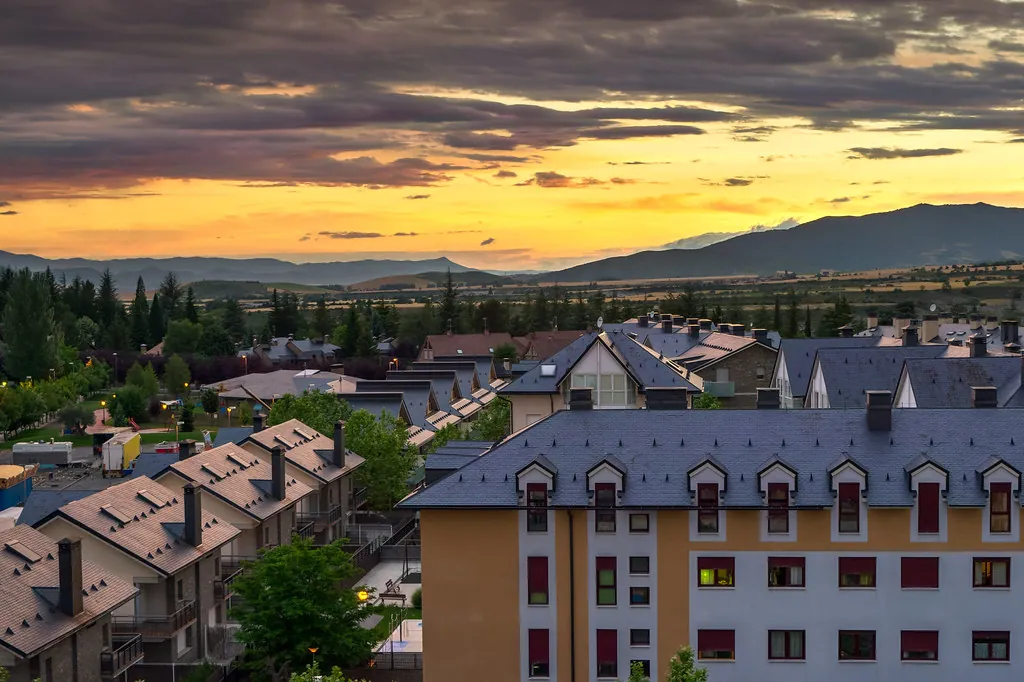
The stone houses of Aisa sit at 1,043 metres, high enough that the air carries a sharpness even in late spring. At dawn, when the Aragón valley below still sleeps in shadow, the village catches the first light, its slate roofs glinting like wet fish scales. This is not a place that announces itself. No souvenir stalls, no coach parks, barely a signpost. Instead, the Pyrenees rise directly from the back gardens, and the GR-11 long-distance path passes within metres of the church door.
A Village That Measures Time in Altitude
Aisa’s rhythm is set by height rather than clocks. The road from Jaca climbs 600 metres in fifteen kilometres, twisting through beech woods until the valley floor disappears. Mobile signal dies somewhere around the second hair-pin; Vodafone and EE give up entirely, so download offline maps before you leave the A-1205. What you gain in exchange is silence broken only by cowbells and the occasional 4×4 grinding down to the coast.
The houses are built for winter. Walls are a metre thick, windows the size of post-cards, chimneys shaped like witch’s hats. Many still have the original hay-loft doors—now converted into tiny balconies where locals dry peppers in October. Stone troughs that once watered mules serve as geranium pots. Nothing is wasted; everything is reused. Even the church bell, cast in 1794, was melted down from a cannon captured in the War of Independence.
San Andrés, pre-Romanesque and older than any building in Bath, stands at the top of the only paved lane wide enough for a car. The key hangs on a nail in the adjoining house; lift it off, let yourself in. Inside, the air smells of candle smoke and damp limestone. The font is scalloped like a giant clam-shell; graffiti from 1837 scratches a name across the altar rail. You will probably be alone.
Walking Without Way-Markers
Maps call the surrounding terrain “mid-mountain”, a phrase that sounds gentle until you realise it means 2,000-metre summits within a two-hour trek. Way-marked routes leave the village in three directions: south to the abandoned hamlet of Zanarrosa, east along the GR-11 towards Candanchú, north into the Selva de Oza. None is longer than twelve kilometres, but the gradient turns every walk into a thigh-burner. In May the slopes are carpeted with yellow broom and the last snow patches reflect light like broken mirrors. By October the beech woods catch fire—gold, copper, rust—and the air smells of leaf mould and wild boar.
Come properly booted. The stone paths are polished to glass by centuries of hooves; after rain they rival any Cumbrian slate for slipperiness. A stick helps, and water: streams run only after the thaw, and the village fountain is turned off in drought years.
Winter Rules
From December the road is routinely white. Chains are not optional; the Guardia Civil turn traffic back at Puente la Reina if you haven’t got them. The village shrinks to its core families plus a handful of British retirees who relish the fact that their nearest neighbour is now a kilometre away. Candanchú ski lifts lie ten kilometres further up—but you still drive, scrape the windscreen, queue with the weekend crowds from Zaragoza, then escape back down to Aisa’s silence for tea.
Snow-shoeing is the gentler option. Rent frames in Jaca (€18 a day) and follow the old cattle track above the church. The only sound is your own breathing and the soft collapse of powder from fir branches. Return at dusk, when the streetlights—three of them—flicker on and wood smoke drifts horizontally in the cold air.
What You’ll Eat (and Won’t Find)
There is no shop. None. The last loaf of bread arrives in the bakery van at 11 a.m.; if you miss the horn, you go without. Stock up in Villanúa’s small supermarket (fifteen minutes down the hill) where they stock PG Tips and Weetabix for the winter regulars. Fresh fish appears once a week, driven up from Pamplona and sold out of a refrigerated van: hake on Tuesday, sardines on Friday. Queue early.
For eating out, choices number two. Borda Juan Ramón serves a €20 menú del día—lamb shoulder slow-cooked until it slips off the bone, chips done in olive oil, bottled beer from Lérida. They’ll swap morcilla for grilled peppers if you ask nicely; they’re used to pale faces who recoil at black pudding. The Hotel Valle de Aisa offers a smarter three-course dinner for €32, but you must book before 4 p.m. Breakfast there is the closest thing to a full English: toast, jam, orange juice, and coffee strong enough to stain the cup.
Local cider is still, flat, and tastes of apples rather than chemicals. Even lifelong Strongbow-haters finish a bottle. Drink it the Asturian way: pour from height into a wide glass, sip, leave the last finger-width, chuck the dregs onto the terrace stones. Nobody flinches; the gravel is already sticky.
Fiestas: Sleep Elsewhere or Join In
August brings the fiestas mayores: five nights starting on the 15th. The population quadruples. Brass bands march at 2 a.m., fireworks echo like artillery between the stone walls, and teenage crews drag sound systems into the square for botellón street parties. Ear-plugs are advised; the church bell rings the hour all night because the tower is open and someone always pulls the rope. If you want silence, book a room in Jaca and drive up for the daytime parade—giant papier-mâché heads, children throwing sweets, elderly women in lace shawls dancing the jota.
September’s San Miguel is quieter: a livestock fair, hand-made cheese stalls, and a communal paella cooked in a pan the size of a satellite dish. The priest blesses the animals in the square; dogs bark, sheep bleat, a donkey tries to eat the mayor’s sash. Tourists are still outnumbered by locals, and the cider flows free from rubber hoses.
Leaving Again
Check-out day presents a final test. The bakery van blocks the only street while the driver hands out loaves; behind him a farmer has parked his 4×4 to unload feed sacks. Reversing is impossible, patience essential. Allow an extra twenty minutes, and fill the tank in Jaca—garages close on Sunday afternoon and the next petrol is 45 kilometres away in Canfranc.
Drive downhill slowly. At the first bend Aisa disappears, tucked back into its fold of rock and forest. The thermometer in the car rises degree by degree; phone bars reappear; the Pyrenees shrink in the rear-view mirror. Within half an hour you’re on the autopista, coffee franchises and billboards for Zaragoza. The silence you leave behind feels almost fictional, like a place invented for people who suspect that mountains should be earned, not merely observed.