Full Article
about Alberite de San Juan
Ocultar artículo Leer artículo completo
The church bell strikes noon and nobody notices. Not because the village is empty – though with 78 residents, it often feels that way – but because the only people within earshot are three elderly men playing cards beneath a fig tree. This is Alberite de San Juan, a single-street settlement in Aragon's Campo de Borja where the ratio of vineyards to humans runs roughly twenty to one.
The Arithmetic of Small Places
Seventy-eight inhabitants. Three hundred and seventy-five metres above sea level. One functioning bar (open Thursdays through Sundays, hours variable). These numbers matter here. They dictate everything from who holds the church keys to whether the bread van bothers to call.
The village squats between Zaragoza and Logroño, forty minutes' drive from either on the A-68. From the motorway, it's another fifteen minutes along the N-232 through wheat fields that shift from emerald in April to bronze by July. The approach road climbs gently, revealing a cluster of stone houses that appear to have grown from the hillside rather than been built upon it.
Park where the tarmac ends – there's no traffic warden, mostly because there's no traffic. The village measures four hundred metres from end to end, a distance that takes eight minutes to walk if you stop to read the weathered ceramic tiles beside each doorway. These house plaques record family names stretching back centuries: Aznar, Bolea, Castán. Many dwellings stand empty, their wooden shutters warped by decades of sun and their roof tiles patched with corrugated iron. The effect isn't picturesque so much as honest – this is what happens when rural Spain's youth discover Barcelona's call centres pay triple the agricultural wage.
Stone, Wine and Thin Air
The parish church of San Juan Bautista dominates the highest point, though dominates might be overstating matters. It's a modest sandstone structure, its bell tower rising just three storeys – sufficient to command views across the Ebro valley but insufficient to warrant admission charges or audio guides. The door stays locked unless mass is scheduled, which happens twice monthly. To see inside, you'll need to locate Doña Pilar, who keeps the key beneath a flowerpot three doors down. She'll insist on accompanying you, switching on lights to reveal a baroque altarpiece whose gold leaf has dulled to the colour of autumn tobacco.
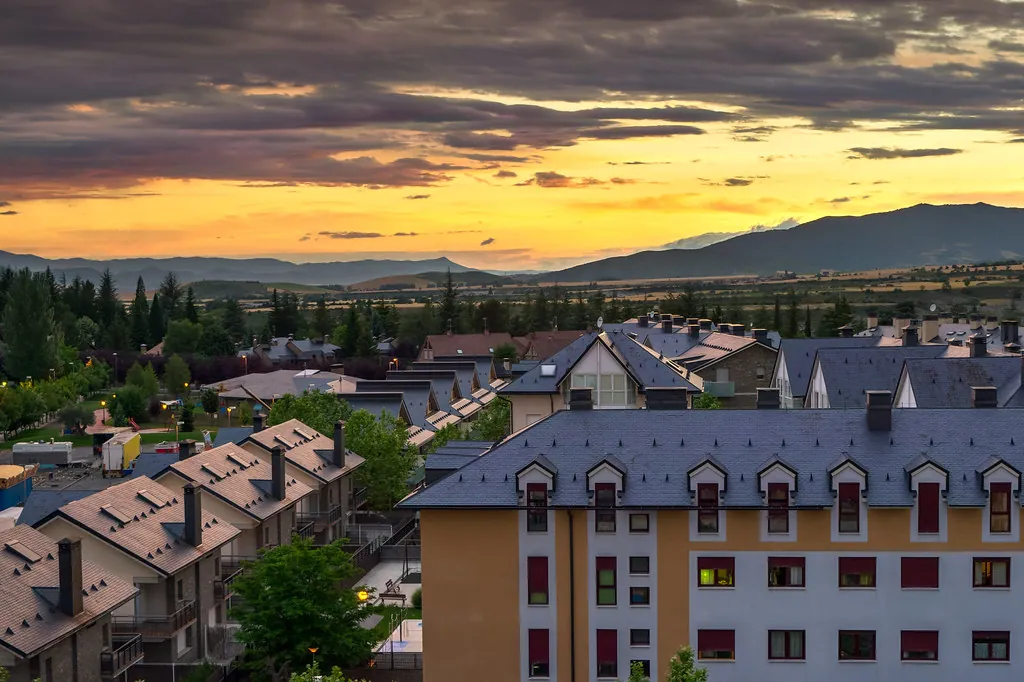
Outside, the village's architecture tells its own story. Adobe walls two feet thick keep interiors cool during summers that regularly touch forty degrees. Iron balconies, painted municipal green, support geraniums in cut-down oil drums. The houses cluster together for shade and protection – from winter's cierzo wind that barrels down from the Pyrenees, and from centuries of bandits who found isolated farms easy prey. This defensive clustering means narrow alleyways where even a Fiat 500 would scrape both wing mirrors.
Walk to the village edge and the agricultural theatre begins. Vineyards stretch towards distant hills, their orderly rows broken only by the occasional stone hut where workers once sheltered from storms. These fields belong to the Campo de Borja denomination, source of garnacha grapes that produce wines selling for €4-6 in Zaragoza's supermarkets. The harvest starts mid-September, when temporary workers from Morocco and Romania join local farmers for three weeks of dawn-to-dusk picking. Visit then and you'll find the village population swells to perhaps two hundred, though the infrastructure barely notices – the single bakery still sells out by 10am.
Walking Through Other People's Work
Three footpaths radiate from Alberite, following farm tracks that predate Google Maps. The yellow-route heads south towards Magallón across wheat fields where storks stalk between furrows. It's five kilometres each way, passing an abandoned railway station where the 1953 timetable still hangs behind cracked glass. Take water – there's no café until Magallón, and summer temperatures make dehydration a genuine risk. Spring brings wild asparagus growing beside the path; locals collect it in plastic bags, recognising something tourists mistake for weeds.
The white-route climbs east into olive groves, their trees contorted into shapes that wouldn't look out of place in a Tolkien illustration. After two kilometres you reach a ridge where the entire Ebro plain spreads below – a patchwork of cereals, vines and the occasional solar farm glittering like rectangular lakes. This is where villagers walk their dogs each evening, exchanging gossip that hasn't changed much since their grandparents' time. Weather, crops, who's marrying whom – the fundamentals of rural conversation remain constant even as mobile phones replace the evening radio bulletin.
Neither path is signposted beyond painted stones every half-kilometre. This isn't negligence but realism – if you need directions back to the village, you can always see it. The landscape's openness means getting genuinely lost requires determination and a compass. That said, mobile reception drops out two kilometres from the village centre, so downloading offline maps proves wise.
The Calendar That Matters
Visit in late June and you'll find Alberite transformed. The fiestas patronales honour San Juan Bautista with three days of activities that reveal how Spanish villages really function. The population multiplies five-fold as emigrants return from Zaragoza and Barcelona, their Renaults and Seats lining the main street. There's a paella contest using rabbits shot the previous week, followed by dancing that continues until the church bell rings 4am. The village fountain flows with wine instead of water for precisely two hours – long enough for photographs but brief enough to prevent drowning incidents.
August brings similar celebrations, though these feel more political. The mayor – elected by thirty-seven votes in the last election – uses the occasion to announce grants secured for roof repairs and broadband installation. Such infrastructure matters more here than manifesto promises about high-speed rail links. The evening's highlight involves releasing two dozen chickens in the square, with children chasing them for prizes. Animal rights activists would faint, but nobody in Alberite has time for metropolitan sensibilities.
Outside these dates, the village runs on agricultural time. Dawn starts at 6am when tractors cough into life. Lunch happens at 2pm sharp – the bar serves three dishes maximum, whatever's available that morning. Evenings begin at 8pm when temperatures drop below thirty degrees, and most houses are dark by 11pm. This rhythm continues regardless of TripAdvisor ratings or tourist footfall.
Getting There, Staying Sane
From the UK, Ryanair's summer service to Zaragoza provides the most straightforward route. The Friday morning flight from Stansted lands before Spanish lunchtime, giving you time to collect a hire car and reach Alberite by mid-afternoon. Winter visits require flying to Bilbao or Madrid, adding two hours' drive each way – worthwhile only if you're combining the village with city breaks elsewhere.
Accommodation options within Alberite itself don't exist. The nearest hotels sit nine kilometres away in Borja, a small town whose claim to fame involves a botched fresco restoration that became an accidental tourist attraction. The three-star hotel there charges €65 per night including breakfast – decent value unless you're expecting room service or spa facilities. Alternatively, rent a village house through the local council for €40 nightly. These properties come with functioning kitchens and terraces overlooking the vineyards, though you'll need to bring towels and enough Spanish to collect keys from the ayuntamiento.
The practical challenges mount quickly. Public transport runs once daily to Borja, departing at 7am and returning at 2pm – useless for anyone wanting dinner or evening drinks. The village shop closed in 2019, meaning groceries require a twenty-minute drive to the Consum supermarket on Borja's outskirts. Mobile banking replaced the last branch years ago, so bring cash for the bar and that €4 bottle of local wine.
Yet these inconveniences create something increasingly rare: a Spanish village that isn't pretending to be anything else. No artisanal cheese shops. No yoga retreats in converted monasteries. Just seventy-eight people growing grapes and wheat, playing cards beneath fig trees, and wondering why anyone would travel four hours from London to watch them do it.