Full Article
about Albeta
Ocultar artículo Leer artículo completo
A Village That Doesn't Need Your Attention
Albeta's church bell strikes twelve, and the only sound afterwards comes from a tractor reversing into a barn. This is how afternoons work here: time marked by agricultural machinery rather than human activity. With 144 residents scattered across stone houses and 412 metres of altitude separating them from the Ebro Valley floor, the village maintains a ratio that most rural destinations can only dream of: vineyards to people runs roughly twenty to one.
The Campo de Borja wine region stretches in every direction, creating a patchwork of gnarled garnacha vines that have survived everything from Roman occupation to modern supermarket contracts. These aren't the neat, tourist-friendly vineyards of Rioja. Here, wires sag between weathered posts, and farmers still harvest by hand because the slopes are too steep for machines. The resulting wine—particularly the whites—carries a mineral sharpness that speaks of limestone soils and temperature swings that would make a British gardener wince.
What Passes for Architecture Here
The parish church squats at the village's highest point, built from the same honey-coloured stone as every other building. It's neither beautiful nor ugly, simply necessary—a quality that defines much of Aragonese rural architecture. Walk the single main street and you'll pass houses whose wooden doors have warped over centuries, their ironwork balconies designed more for drying peppers than for romantic declarations.
These buildings reveal themselves slowly. A rounded arch here, original brickwork there, the occasional coat of arms worn smooth by wind. Most remain private homes, their owners emerging at dusk to water geraniums in olive oil tins. There's no architectural trail, no information plaques, just the satisfaction of spotting details that date back to when this village mattered for different reasons.
The surrounding landscape performs the same slow reveal. Almond trees punctuate the vineyards, their February blossom turning entire slopes white before returning to agricultural anonymity. In autumn, the vines transform into a messianic red that would have painters reaching for cadmium, though here it's merely the signal for harvest.
The Food Chain Reality
Let's be clear: Albeta doesn't do restaurants. The village social club opens on Sunday mornings, selling local honey and almonds to whoever remembered to bring cash—there's no ATM, and the card machine disappeared years ago. For anything more substantial, you'll drive fifteen minutes to Épila, where the bakery produces baguettes that wouldn't shame a French high street, and the supermarket stocks everything from tinned tomatoes to British teabags for the homesick.
El Molino de la Hiedra, the village's only accommodation, operates differently. Its English-speaking owner will roast a chicken if you ask nicely the day before, serving it with vegetables that taste like they remember soil. The dining room contains an enormous wine press, its wooden screws thick as tree trunks, while the wine list naturally leans towards Campo de Borja producers who rarely export. Breakfast features local almonds crushed into thick yoghurt, plus coffee strong enough to make you appreciate the silence outside.
Walking It Off (Or Not)
The agricultural tracks heading north from the village offer flat, straightforward walking through vineyards that extend to the horizon. These aren't official hiking routes—just dirt roads used by farmers—so you'll share them with the occasional Land Rover and plenty of agricultural debris. The reward comes at sunrise, when mist pools in the valley and the only sounds are your boots and distant dogs announcing another day.
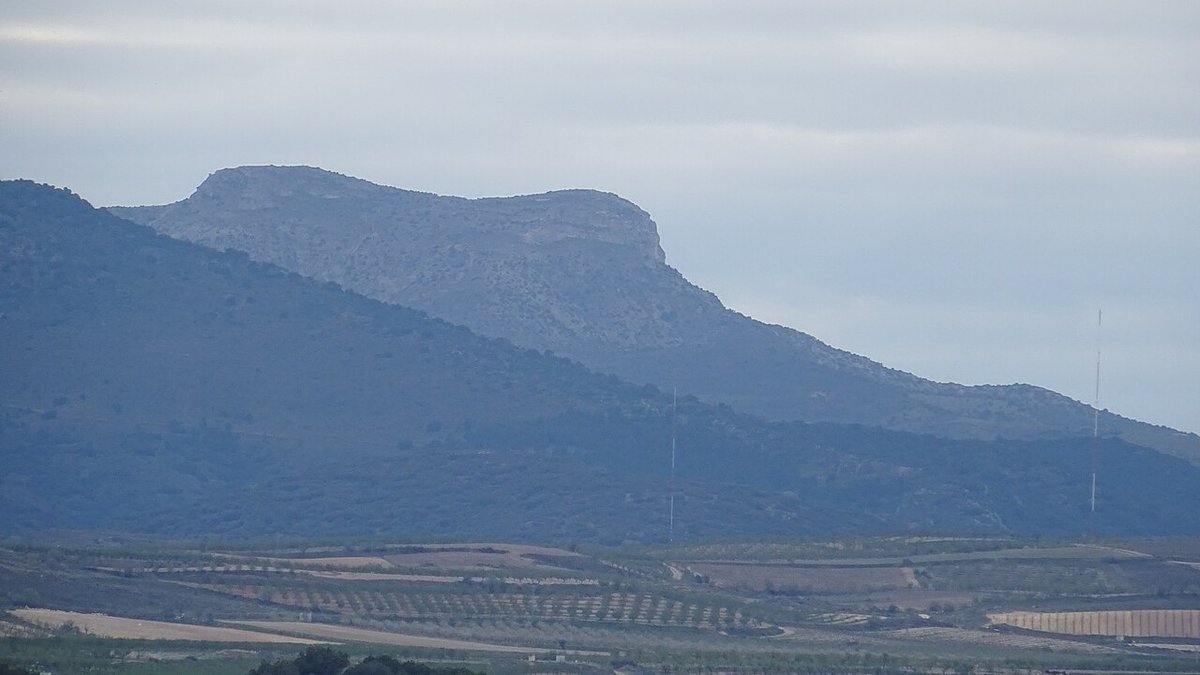
Serious walkers should adjust expectations. The mountains visible to the south require driving first, and even then, paths are unsigned and water sources unreliable. This is working agricultural land, not a national park, and farmers' tolerance for strangers varies with the season. September's harvest brings a temporary population surge and corresponding traffic, while August's heat empties the landscape entirely—temperatures regularly hit 38°C, and shade is a theoretical concept.
The Calendar That Matters
Albeta's August fiestas last four days and involve the entire village population plus descendants who've migrated to Zaragoza. The programme reveals much about rural Spanish priorities: mass, procession, paella contest, foam party in the tiny municipal pool, more mass. Visitors are welcome but not catered to—there's no tourist office, no multilingual volunteers, just an assumption that you'll work things out.
Easter provides a different atmosphere. The Good Friday procession involves thirty people maximum, carrying statues that have survived more political upheavals than most countries. The route covers the entire village in twenty minutes, ending at the church where someone inevitably produces homemade aniseed liqueur that tastes like liquid liquorice and burns like cheap whisky.
September's vendimia isn't organised for spectators. Families gather to harvest their plots, lunch becomes a mobile feast moving between vineyards, and the village wine cooperative receives grapes that will emerge months later as bottles selling for €4 at the gate. If you're offered participation, accept—just bring gloves and prepare for conversations conducted entirely in rapid Aragonese Spanish.
Getting There, Staying Sane
Zaragoza's airport receives direct flights from London Stansted and Gatwick, making this theoretically accessible for long weekends. The reality involves a hire car and fifty-five minutes driving through increasingly empty landscapes, past villages that appear on no British itinerary. Phone signal disappears ten minutes outside Zaragoza, so download offline maps before departure.
Staying at El Molino means embracing rural Spanish rhythms: breakfast at nine, lunch at three, dinner at nine-thirty if you've arranged it. The alternative involves driving to Épila for pizza that arrives when the chef finishes his cigarette, or to Borja itself where Restaurant Chomin serves roasted lamb that justifies the journey. Either way, bring cash—card machines remain optional extras in these parts.
Spring and autumn offer the best compromise between decent weather and bearable temperatures. Winter brings sharp winds that sweep down from the Moncayo massif, while summer turns the village into a suntrap where even the dogs seek shade at noon. Book accommodation accordingly: air-conditioning isn't standard, and the municipal pool measures fifteen metres by six.
The village won't change your life, transform your perspective, or provide stories for dinner parties back home. What it offers instead is increasingly rare: a place where agriculture continues despite tourism, where silence is a daily occurrence rather than a marketing angle, and where the relationship between land and people remains visible in every vineyard row and stone wall. Just remember to bring cash, download those maps, and don't expect anyone to make a fuss about your arrival. In Albeta, the vines were here first, and everyone knows it.