Full Article
about Alcala de la Selva
Ocultar artículo Leer artículo completo
The thermometer reads 14 °C at eleven o'clock on an August night, and the terrace heaters are still switched on. Outside Bar La Parada, elderly men in flat caps play mus beneath an awning while their wives discuss tomorrow's mass in accents thick enough to slice. This is Alcalá de la Selva, 1,404 metres above the Mediterranean beaches most Britons associate with Aragón, and the air tastes of pine resin and cold stone.
Stone Against the Sky
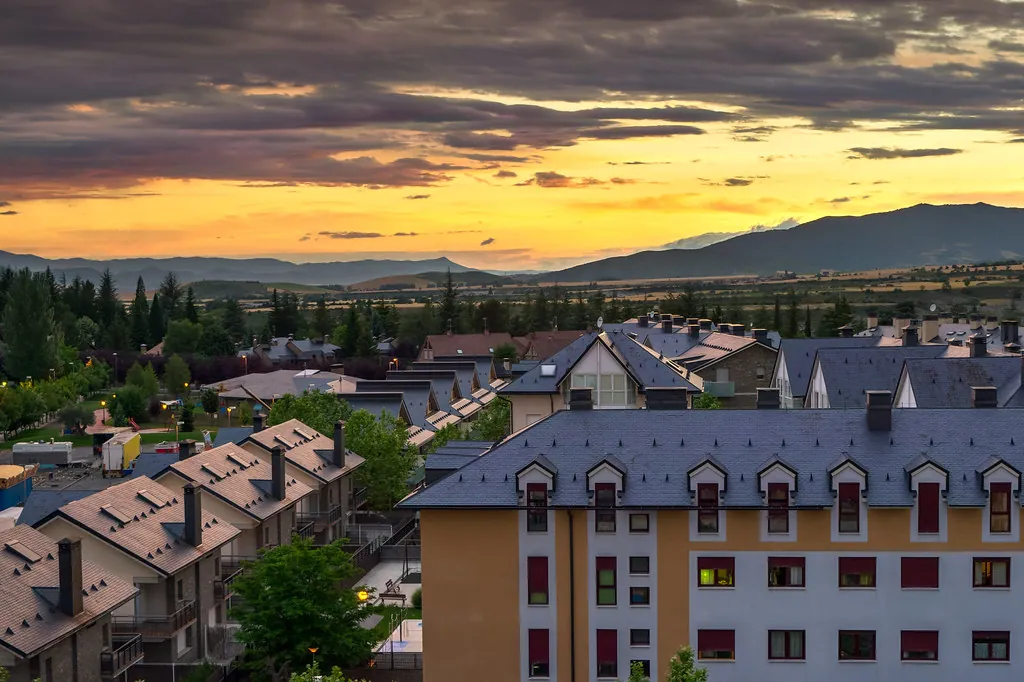
The village climbs a narrow ridge like something flung there and left to settle. Houses are built from the mountain itself: honey-coloured limestone walls half a metre thick, tiny windows set deep like suspicious eyes. Roofs pitch steeply—winter can drop a metre of snow overnight—and every chimney sports a hinged cap to stop the cierzo, that notorious Aragonese wind, from blowing smoke back into the kitchen. Walk the upper lanes at dusk and you'll hear the tiles clicking as they cool.
San Simón y San Judas watches over it all, a sixteenth-century parish church whose squat tower serves more as weather vane than beacon. Inside, the air smells of beeswax and damp hymnals; outside, the plaza is tiled with granite slabs worn smooth by centuries of hooves, then tractor tyres, now hiking boots. There is no souvenir shop. The nearest thing to a boutique is the agricultural co-op, where you can buy work gloves, rabbit feed and a decent bottle of Somontano for €4.30.
Forests That Remember
Leave the church by the upper gate and the asphalt stops abruptly. A forestry track dives between Scots pine and larch, the ground soft with needles that muffle every footfall. Within five minutes the village sounds—motorbike, dog bark, church bell—fade to nothing. What replaces them is older: the thin whistle of a crested tit, the crack of a branch as a roe deer slips away, your own pulse in the thin air.
The way-marked network is modest but enough. A two-hour circuit drops to the abandoned farm of Mas de la Corraliza, its roof long gone but stone threshing circle intact, then climbs back through meadows where wild narcissus flower in late May while snow still patches the north-facing banks. Serious walkers can continue east to the 2,020-metre summit of Peñarroya; the round trip is six hours and you'll meet perhaps one other party all day. Carry water—streams dry up in July—and remember the weather rule of the sierra: if cloud forms on the western ridge, turn back before noon.
When the Snow Line Drops
Winter arrives early. By late October the first flurries dust the pass to Valdelinares, Spain's smallest ski resort, ten minutes up the road. The resort's eight lifts serve mostly local families; a day pass costs €32 and weekday queues are non-existent. Cross-country skiers head instead to the forest tracks above Alcalá, where a €6 snow-shoe hire from the petrol station in Manzanera is all you need to reach silent clearings among the pines.
Driving becomes serious business. The A-23 motorway is 40 minutes away by the CV-20, a mountain road that twists through hairpins and tunnels of rock. Carry chains from December onwards; the final ascent to the village is north-facing and shaded all day. When snow closes the pass, Alcalá doesn't grind to a halt—farmers simply switch on their 4WD pickups—but tourists have been known to spend unplanned nights on friends' sofas after misjudging a forecast.
What Arrives on the Back of a Lorry
The weekly market sets up on Friday mornings in the lower car park: one fruit van from Castellón, a butcher from Teruel, and a baker whose crusty loaves are still warm at nine o'clock. Ask for pan de pueblo and you'll get a loaf the size of a steering wheel, crumb tight enough to survive a day's walking. The butcher sells morcilla sweetened with onion—excellent fried with egg for a mountain breakfast—and vacuum-packed trout from the river Bergantes, 20 kilometres north.
For anything more exotic you drive to Sarrión, half an hour west, where the supermarket stocks Dorset cereals and Tetley tea at eye-watering import prices. Better to embrace the local rhythm: buy what the land offers, eat what the season dictates. In May that means calçot-like onions charred over vine shoots; October brings roasted chestnuts sold in paper cones for €2 by a man who parks his van outside the bar and knows everyone's grandfather.
Evenings That End with Anise
Nightlife is what happens when the day's work is done. Younger villagers gather at Bar Oasis, where the pool table is levelled with a folded beer mat and mobile phones balance on the window ledge because signal inside is hopeless. Order a café amb llet and you'll get a cortado in a glass heavy enough to double as a weapon; order a chupito and the choice is between local anise or local anise. Conversation drifts from the price of diesel to whether Real Zaragoza will ever regain top-flight status.
By eleven the older crowd has moved on to dominoes in the social club, leaving the plaza to moths and the occasional owl. Street lighting is deliberately dim—astronomy tourism is the latest idea from the regional government—and on moonless nights the Milky Way arches overhead so brightly you can walk without a torch. The silence is complete enough to hear your own heartbeat echoing in your ears.
Leaving Before the Mist Lifts
Alcalá de la Selva will never feature on Spain's glossy coast-and-culture circuit, and that is precisely its appeal. There are no tour buses, no multilingual menus, no inflatable bananas on a beach. Instead you get a village that measures time by snowmelt and sheep bells, where the barman remembers your drink after a single visit and the bakery saves you the last napolitana because you smiled on Tuesday.
Come in late May for wildflowers and 22-degree days, or mid-September when the forests smell of mushrooms and the morning mist pools in the valleys like milk. Bring walking boots and a phrasebook; leave the flip-flops and the hurry behind. And when the cierzo starts to blow—an abrupt, cold exhale straight from the Pyrenees—pull your jacket tighter, order another coffee, and understand that some corners of Spain still answer to winter long after the rest of the country has switched on the air-conditioning.