Full Article
about Alcampell
Ocultar artículo Leer artículo completo
The church bell strikes noon and the only other sound is a tractor churning through cereal fields beyond the stone houses. This is Alcampell at midday in April – no souvenir stalls, no tour buses, just 624 residents and whoever has driven the hour inland from Lleida to remember what Spanish villages were like before the rest of the world noticed them.
A Village That Refuses to Pose for Postcards
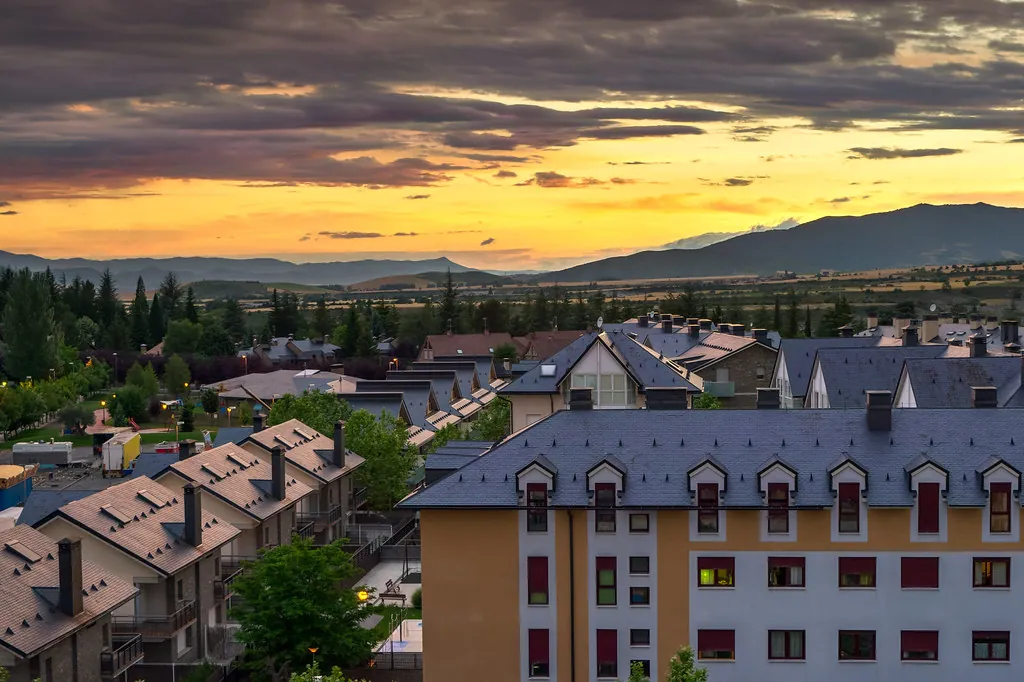
Alcampell sits on a gentle rise in the comarca of La Litera, high enough (499 m) to catch the breeze that carries the scent of wheat and olive leaves, low enough to feel the languid pull of the Ebro Valley. The houses are built for work, not for photographs: stone and brick walls thick enough to blunt summer heat, ground-floor arches once used for livestock now storing bicycles and pruning tools, iron balconies that clang when the weekly laundry goes out. Nothing is curated; the paint peels where the sun hits hardest.
The central plaza is a rectangle of packed earth shaded by plane trees. Elderly men play cards at a metal table bolted to the ground; the bar opens at seven in the morning and closes when the last customer leaves. Order a café con leche and you pay €1.20 – the price has risen twice since 2008. If you sit long enough someone will ask where you are from, not out of politeness but genuine curiosity, because outside the fiestas of August strangers are still a novelty.
Walking Through Layers of Stone and Memory
The parish church anchors the upper part of the village. Its base is Romanesque, the middle section Gothic, the bell-tower a blunt eighteenth-century rectangle repaired after the Civil War with bricks that do not quite match. The wooden doors stand open all day; inside, the air smells of candle wax and the floor dips where centuries of feet have worn grooves. A laminated sheet lists the 14 local men who left for Cuba in 1906; six returned, two with enough money to build the houses with the prettiest stone lintels on Calle Mayor.
From the church doorway you can read the village timeline in the roofs opposite: original Roman tiles the colour of burnt toast, later zig-zagging Arabic tiles, twentieth-century corrugated sheets weighed down with spare tyres. Every roof has a pair of stork legs somewhere – the birds arrive in March and argue with the bell-ringer over nesting rights until September.
A five-minute walk east brings you to the old threshing floors, stone circles now carpeted with grass where teenagers practise skateboard tricks. Beyond them the wheat starts, rolling in wind-marked stripes towards the almond terraces. In February these terraces explode into white blossom so suddenly that farmers say it happens "entre dos badajadas" – between two strikes of the bell.
Eating What the Fields Hand Over
There is no restaurant in Alcampell. Eating means knocking on the door of Casa Vitorianet, the village’s only registered rural house, or timing your visit with the weekend menú del día at the bar. Migas – fried breadcrumbs threaded with garlic, grapes and thin rashers of pancetta – arrive in a heap big enough for two. The wine is from Somontano, thirty kilometres north, and costs €2.50 a glass because the owner’s cousin makes it. If you are lucky, the chalkboard lists ternasco, milk-fed lamb roasted until the skin shatters, served with potatoes that taste of the red soil they were dug from.
Spring brings artichokes and fava beans; October is olive month. Watch for a Saturday when the cooperative opens its mill to the public: you can follow the fruit from weighbridge to centrifuge and leave with a five-litre drum of virgen extra for €18. The oil is peppery, green, nothing like the supermarket version; it clouds when the nights turn cold and clears again on the windowsill.
Tracks That Do Not Show on the Ordnance Survey
Alcampell is criss-crossed by caminos that never quite become footpaths. Start at the fountain on Calle San Antonio, follow the concrete track that turns to dirt, and within twenty minutes you are among wheat and skylarks. The GR-174 long-distance footpath skirts the village perimeter but most walkers stick to the local circuits: a two-hour loop north brings you to the ruined masada of Las Llobas, stone walls enclosing a fig tree that still fruits though no one lives there to pick it. An early start in May rewards you with cuckoo calls and the sight of cereal heads jewelled with dew.
Summer walking demands water, a hat and the acceptance that shade is theoretical. Temperatures sit in the mid-thirties from June to August; the village empties after 2 p.m. while even the dogs retreat indoors. Better to borrow a mountain bike (Casa Vitorianet keeps three) and ride the flat farm tracks at dawn, tyres hissing through the irrigation runnels that feed the olive groves.
When the Village Remembers How to Shout
For eleven months Alcampell speaks in murmurs; then August arrives and the population triples. The fiestas begin with a greasy-pole contest in the plaza – teenagers shin up to retrieve a jamón while the village hoses them down with cheap wine. At night the grain store becomes a dance floor; brass bands play pasodobles until the electricity cuts out. Outsiders are welcome but not announced: buy a plastic cup of beer for €1, stand near the speakers and you are already part of the choreography.
The second weekend of September brings the olive harvest preview. Locals haul ancient stone presses into the square and let children turn the wooden screws. There is no entry fee, no timetable; people drift away when the church bell tolls for evening mass. If you want to photograph something, ask first – not for permission but for the story behind it. Every family owns a corner of grove and will tell you how the 2021 frost split their oldest trunks, why they still pick by hand.
How to Arrive – and Why You Might Hesitate
Alcampell is not on the way to anywhere. The nearest train station is in Lleida, an hour’s drive across empty uplands where the speed limit feels theoretical. From Zaragoza allow two hours; from Barcelona three, the last stretch on the A-22 toll road that costs €11.30 each way. A car is essential because buses appear twice a week, timed for market day in Tamarite, and leave at dawn.
Phone reception is patchy, the only cash machine is in the next village (3 km), and the single shop keeps eminently sensible Spanish hours: closed between 1.30 and 5 p.m., shuttered on Sunday. In winter the mist pools so thickly that the church tower disappears; driving the farm roads after dark is not recommended unless you know where the drainage ditches lie.
None of this counts as hardship – it is simply the admission price for finding a place where the bread van still toots its horn at eleven each morning and the mayor drinks cortado at the same bar as the shepherd. Stay a night, stay a week; Alcampell will not try to entertain you. It will, however, let you eavesdrop on a way of life that has outlasted empires, and for some travellers that is entertainment enough.