Full Article
about Alfajarin
Ocultar artículo Leer artículo completo
The church bell strikes noon, but nobody quickens their pace. A lorry driver stretches outside the Rausan hotel, coffee steaming in plastic, while two elderly men shuffle cards beneath a plane tree that’s older than the petrol station. Twenty minutes from Zaragoza airport, Alfajarin feels farther away than the distance suggests—less a destination than a pause that forgot to end.
At 199 metres above sea-level the village sits on the soft, wheat-coloured plain of the Ebro depression. There are no mountains to frame the view, only the geometric patchwork of cereal fields that blush green after rain and bleach to straw by June. The horizon is so wide that late-afternoon storms can be watched approaching for half an hour before the first drops hit the windscreen.
A Grid of Brick and Adobe
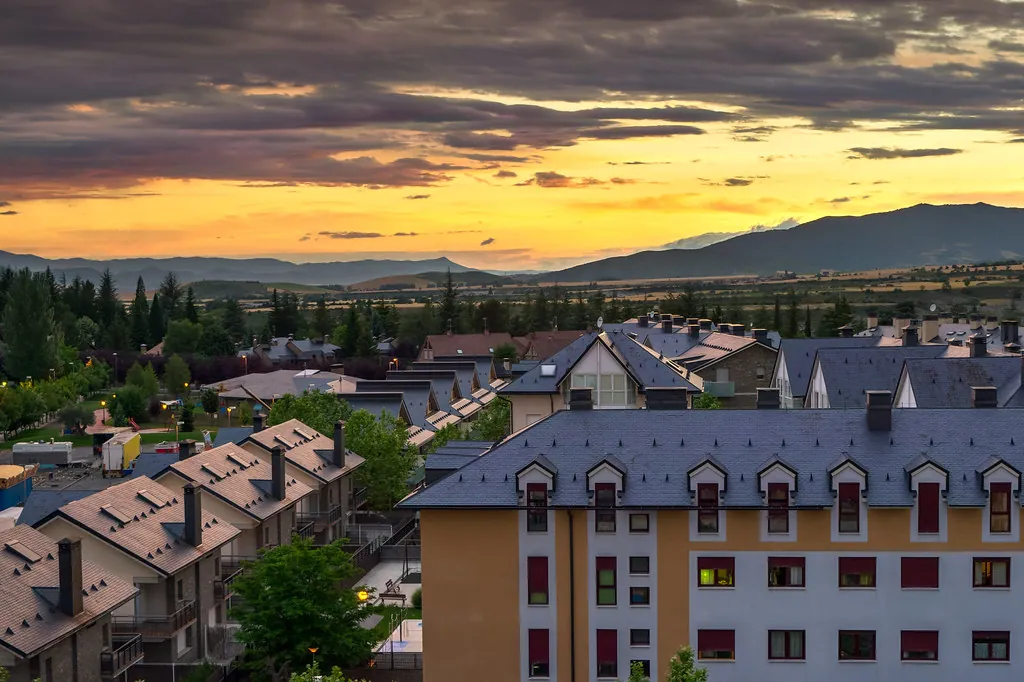
Alfajarin’s centre is a neat rectangle of eight streets, enough for a wander but not for a map. Houses are built from the same reddish brick that once roofed Roman amphitheatres in Zaragoza; iron balconies sag under geraniums, and every second façade bears a hand-painted tile announcing “Se vende” with a mobile number that probably hasn’t answered since 2009. The parish church of San Jorge rises above the roofs like a compass needle—climb the single flight of steps for a 360-degree sweep of silos, solar panels and the distant shimmer of the Gállego river woods.
Inside, the church is a palimpsest: Gothic ribs, Baroque plaster, a Neoclassical retablo scraped by artillery shrapnel during the Civil War. Sunday mass is at eleven, broadcast by a single loudspeaker so the faithful can linger outside with cigarettes. Visitors are welcome; donations feed a heater that keeps the nave just warm enough to prevent the priest’s breath clouding during winter sermons.
Eating: What the Lorry Drivers Know
There are four places to eat, all within 300 metres. Hotel Rausan’s dining room does a three-course menú del día for €14—grilled lamb cutlets, migas fried with chorizo, and arroz con leche thick enough to hold a spoon upright. Vegetarians get scrambled eggs with peppers; vegans get the salad. Locals drift in at three o’clock, order coffee with aguardiente and leave half an hour later looking surprised that it’s already getting dark.
Across the square, Bar Alfil turns into a tapa crawl for one: order a caña and you’ll receive a saucer of longaniza slices whether you asked or not. They close when the last customer leaves, usually before midnight. If everything is shuttered, the petrol-station shop sells warm baguettes and local olives the size of squash balls—perfect picnic ammunition for the river path.
Flat-footed Countryside
Alfajarin is not hikers’ country; it is walkers’ country. A grid of farm tracks fans out from the last streetlamp, each signed with distances in faded paint: Gállego 4 km, Botorrita 7 km, La Joyosa 2 km. The going is dead-level, shared with the occasional tractor whose driver waves as if you were neighbourly livestock. Storks clatter overhead, and in May the wheat whispers louder than the traffic on the autopista.
Head south for the river. After twenty minutes the path dips between tamarisks and reeds, and the temperature drops two degrees. Kingfishers flash turquoise above the muddy water; fishermen stand motionless like herons, rods pointing at the Pyrenees they can’t actually see. There are no cafés, no kayak rentals—just the sound of current against tyres that someone once threw in and never retrieved.
When the Village Lets Its Hair Down
Fiestas happen twice a year and book out the two small hotels months in advance. San Jorge in April turns the main street into a temporary fairground: a band plays pasodobles from the back of a lorry, teenagers drink kalimotxo from two-litre bottles, and at midnight a cardboard dragon is ignited with fireworks that rattle greenhouse windows. August brings the fiesta mayor—open-air verbenas where shoes stick to beer-soaked tarmac and grandmothers dance jotas until their ankles swell. If you need sleep, ask for a room at the back; Spanish brass bands do not observe quiet-hour protocols.
Getting There, Staying Over, Getting Out
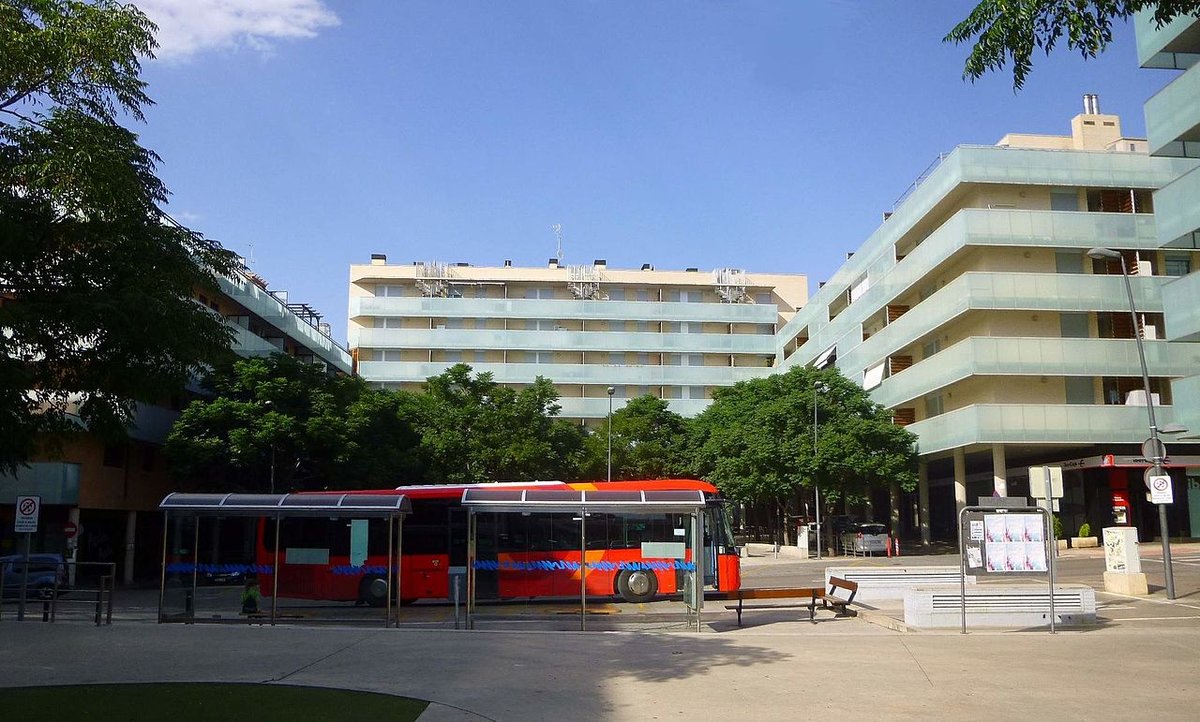
Ryanair flies direct to Zaragoza from Stansted three times a week in summer, twice in winter. Hire cars live in a cabin opposite Arrivals; the A-2 southwest is so straight it could have been laid with a ruler. Taxis will do the run for about €40 if you’d rather not drive. Public transport exists on paper—Line 260 from Zaragoza’s Estación de Delicias—but midday departures and random cancellations make it a gamble for anyone with a flight to catch.
Accommodation is functional rather than fancy. Hostal Alfajarin above Bar Central has seven rooms with parquet floors, rattling air-con and bathrooms big enough to turn around in—€45 a double, cash preferred. Hotel Rausan offers 24-hour reception, truck-stop showers and coffee at five in the morning; its wi-fi reaches the petrol pumps, handy if you need to download boarding passes while filling up. Both places lock doors at two, so lose the nightclub plans.
Why Stop at All?
Because sometimes the most useful village is the one that asks nothing of you. Alfajarin won’t give you Moorish arches or Michelin stars; it will give you a bench in the shade, a beer at farmhouse prices, and the realisation that twenty minutes off the motorway can feel like twenty years back in rhythm. Stay for an hour, stay for the night—just don’t expect postcards. The only souvenirs are what you remember when the autopista sweeps you onward and the wheat fields flatten into horizon once again.