Full Article
about Almonacid de la Sierra
Ocultar artículo Leer artículo completo
The Village that Time (and Most Tourists) Forgot
At 598 metres above sea level, Almonacid de la Sierra sits high enough to catch the breeze but low enough to keep its feet planted in reality. The thermometer drops five degrees the moment you leave Zaragoza's plains, and in winter, that difference means the difference between rain and snow. Most visitors speed past on the A-23, bound for the coast, unaware they've just missed a village where the agricultural calendar still dictates when shops open and grandparents emerge for their evening paseo.
The name itself—Arabic for "the monastery"—hints at layers most passers-by never peel back. What appears to be another stone village clinging to a Spanish hillside reveals itself, on closer inspection, as a working community where 756 souls tend 1,200 hectares of vineyards. The maths is simple: vines outnumber humans by a ratio any British allotment holder would envy.
Stone Walls and Steel Winches
San Sebastián church squats at the village apex like a referee watching over a particularly scrappy football match. Its medieval tower, patched up over centuries, serves a dual purpose: spiritual beacon and agricultural lookout. From here, the view stretches across Valdejalón's wrinkled landscape, where almond blossoms throw white confetti across brown fields each March. The church's mismatched architectural styles—Romanesque bones dressed in Baroque afterthoughts—mirror the village's habit of adding new layers without discarding the old.
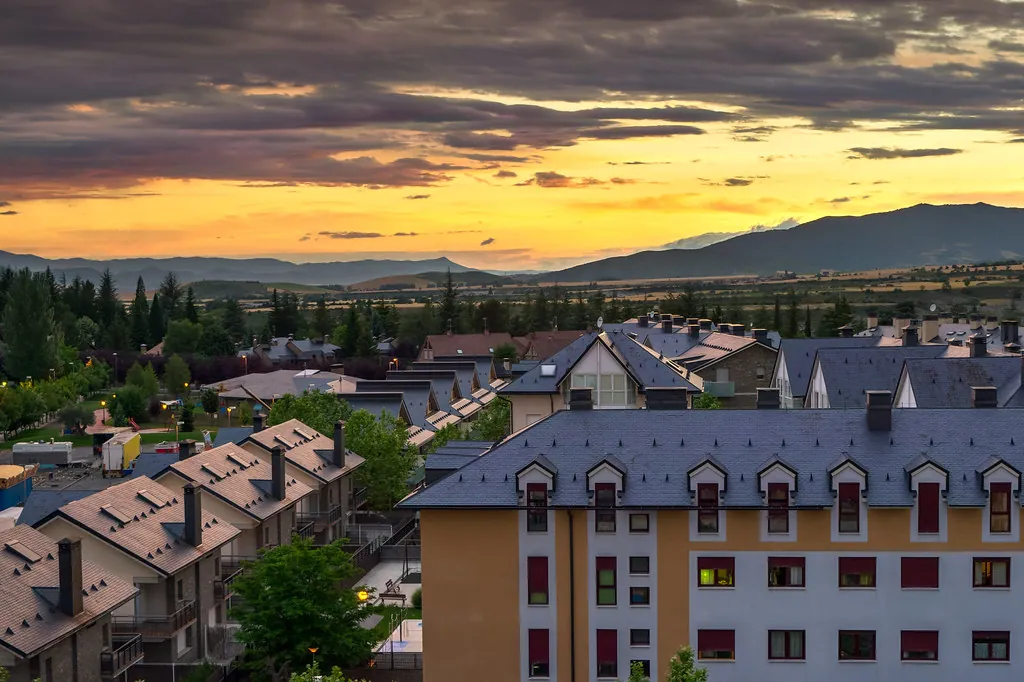
Wander downhill and the streets tighten into a labyrinth designed for donkeys, not diesel. Houses built from local limestone and adobe press shoulder to shoulder, their wooden balconies sagging under the weight of geraniums and winter firewood. Doorways drop unexpected clues to past lives: a Moorish arch here, a 1950s steel window there, the occasional satellite dish bolted onto a 12th-century wall. The effect isn't picturesque so much as honest—centuries of making do and carrying on.
Wine, Walks, and the Art of Doing Nothing
The village cooperative, housed in a concrete block that architects forgot, produces Cariñena denomination wines that rarely make it beyond Aragon's borders. That's good news for anyone who rocks up during tasting hours (weekday mornings, if someone's remembered to unlock). A fiver buys three generous pours and a brief history lesson from whichever vineyard worker drew the short straw that day. The reds, heavy on garnacha and cariñena grapes, punch well above their €4-6 supermarket price tag. Whites labelled simply "Blanco de Cariñena" offer an unoaked alternative that wouldn't shame a Provence terrace.
Walking routes radiate from the village like spokes, though you'd be forgiven for missing the waymarks. The GR-90 long-distance path skirts the northern edge, but local farm tracks prove more rewarding. A 45-minute climb southwest leads to the ruined castle—really just a stump of wall and a view that justifies the calf burn. From here, the Ebro Valley spreads northwards while the Algairén ridge marches south, and the only sound is wind rattling through pine needles. Serious hikers should note: this is working agricultural land, not a national park. Stick to established paths unless you fancy explaining yourself to a shotgun-wielding farmer.
When the Village Remembers It's Spanish
January's San Sebastián fiestas transform the place. The population triples as descendants return from Zaragoza and Barcelona, squeezing into grandparents' houses that smell of woodsmoke and mothballs. Brass bands blast out pasodobles at volumes that would breach British noise regulations. Locals huddle around outdoor braziers, sharing stew from thermos flasks and arguing about football. Visitors are welcome but not fussed over—this is family business that happens to spill into the streets.
August brings the summer version: bull-running in a makeshift plaza, children's games that haven't changed since the 1950s, and the obligatory foam party that leaves the square smelling of cheap detergent for weeks. The religious element—processions, mass, solemn faces—carries on alongside the revelry with a practicality that would confuse British sensibilities. Why choose between sacred and profane when you can schedule both?
The Practical Bits Your Sat Nav Won't Tell You
Getting here requires commitment. No trains, no buses, and the nearest petrol station sits 20 kilometres away in La Almunia. From Zaragoza airport, it's 55 minutes on the A-23 towards Valencia, exit 265, then secondary roads that demand full concentration. The final approach involves a series of switchbacks where rental car clutches go to die. In winter, carry chains—snow isn't guaranteed, but when it comes, the village becomes an island until the plough arrives.
Accommodation options within the village itself number exactly zero. Stay in nearby Longares or Cariñena, where boutique wine hotels charge £80-120 nightly. Alternatively, rent a village house through the local tourist office—basic but authentic, with wood-burning stoves and neighbours who'll invite you in for coffee if you look cold enough. The single restaurant opens weekends only; call ahead unless you fancy explaining to a locked door why British people can't read siesta timetables. Their cordero a la pastora, milder than Castilian versions, converts even lamb-sceptics.
Cash is king—no ATMs, no card machines, and the nearest bank closed in 2019. Shops observe medieval opening hours: 9-1, 5-8, and that's being optimistic. Monday equals shutdown. Mobile signal plays favourites—Movistar users rejoice, everyone else prepares for digital detox. Bring walking boots; trainers suffice for castle climbs, but the limestone paths chew up soles faster than a Lake District winter.
Leaving Before the Silence Settles
Stay past Sunday afternoon and the village exhales, returning to its natural rhythm. The square empties, shutters bang shut, and the only movement comes from cats staking territory across warm stone. It's peaceful, certainly, but also slightly unnerving—like wandering onto a film set after the crew has gone home.
Almonacid de la Sierra doesn't need saving, discovering, or rebranding. It needs visitors who understand that real places come with closed doors and awkward timings, that authenticity means sometimes going hungry because the restaurant owner's mother died and nobody felt like cooking. Turn up expecting amenities and you'll leave disappointed. Arrive prepared to fit in, and you'll witness something increasingly rare: a Spanish village that works for its residents first, tourists second. Just remember to fill up with petrol before you come.