Full Article
about Alpartir
Ocultar artículo Leer artículo completo
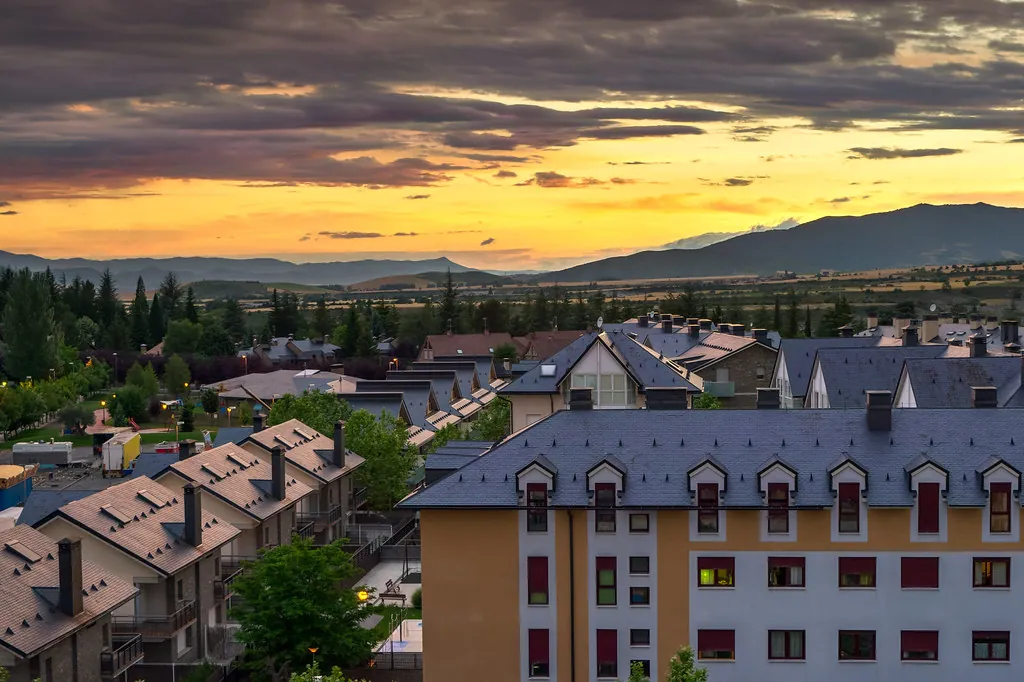
The wheat stubble crackles underfoot in late July, releasing a dry, biscuity smell that drifts across Alpartir’s single main street. At 490 metres above sea-level the village sits exactly where the flat Ebro basin begins to ripple into the Iberian foothills, a transition zone that governs everything from the crops outside the houses to the way the afternoon light strikes the church tower. There is no dramatic gorge, no postcard-perfect plaza, simply a working grid of brick and stone houses surrounded by cereal fields, olive groves and a scatter of small vineyards that fade into the horizon.
A parish tower and a pattern of fields
San Roque church rises from the centre of town like a weather vane for the surrounding plain. Its slender brick tower carries the unmistakable angled lines of rural Mudéjar work—Islamic brick techniques reused after the Reconquest—yet the building is modest, the size of an English market-town chapel rather than a cathedral. Step inside and the retablos span three centuries of provincial taste: gilded barley-sugar columns from the 1600s, sober neoclassic saints, a 1940s mural whose colours have already gone chalky. The door is normally open; if it is locked the key is kept by the woman who runs the grocery-cum-bakery opposite, and she will pass it over with the same lack of ceremony she shows when weighing out peaches.
From the church door almost every walk quickly reaches open country. The urban section is barely four streets deep: houses in rosy Aragonese brick, some with handsome stone corner blocks, others patched with cement and painted the colour of dried terracotta. Iron balconies hold geraniums that survive because the climate is semi-arid rather than through any gardener’s devotion. A couple of doorways still show the family name fired into the ceramic tile above the lintel—an echo of the days when each threshing floor beyond the houses belonged to a specific surname.
Following the Jiloca downstream
The river lies twenty minutes on foot, down a farm track that cuts between paddocks of almond and olive. The Jiloca is small here, more a large stream, but its banks carry one of the few natural corridors of vegetation for miles: poplars, willows, reeds loud with cicadas in summer. A rough circular walk follows the water for three kilometres, then climbs gently onto the low ridge locals call Las Motas. From the top the whole Valdejalón comarca spreads out like a military map: polygonal fields, white farm storehouses, the occasional tractor throwing up a dust plume that drifts eastward on the dry wind.
Walking shoes are sufficient; boots are overkill unless the ground is wet, when the clay path turns to slick caramel. In late May the banks are lined with yellow flag iris; by mid-October the same plants have collapsed into straw and the smell is of damp leaves and wood smoke from small garden bonfires. Birdlife is steady rather than spectacular—kingfishers flash along the deeper pools, and once the snow melt has gone you will almost certainly hear a nightingale if you start early.
Wine country without the tour buses
Alpartir itself has no winery open to casual visitors, yet it sits inside ten minutes’ drive of the Cariñena denomination, one of Aragón’s oldest. That means the village bars pour robust reds made from garnacha and cariñena grapes at €2.50 a glass, the barman usually the cousin of the grower. The sensible plan is to treat Alpartir as an overnight halt while touring the bodegas of Cariñena or Villanueva de Huerva, rather than expecting organised tastings on the doorstep. Most cellars request an email a day ahead; weekend visits are possible but Monday is reliably closed.
Inside the village, food runs to roast lamb (ternasco), pork loin with garden peppers, and the Aragonese version of migas—fried breadcrumbs laced with garlic, grapes and thin rashers of pancetta. Portions are large; ordering a mediana (half portion) is perfectly acceptable. The single restaurant opens only at lunchtimes except in fiesta week; otherwise the social centre is the covered patio of the cooperative bar, where pensioners play cards at 11 a.m. and teenagers drift in after football practice to share a plate of patatas bravas.
When the calendar dictates the tempo
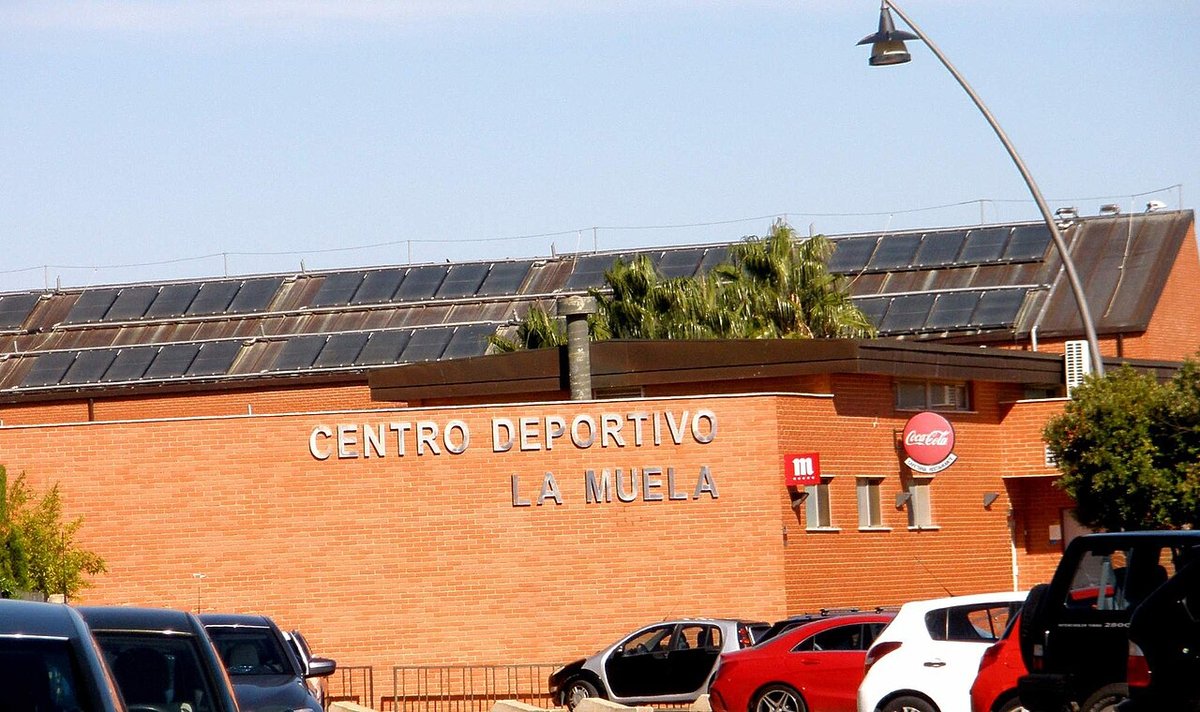
August brings the fiestas of San Roque, the one week when the population doubles. Emigrants return from Zaragoza and Barcelona, a temporary funfair sets up in the polideportivo car park, and every balcony sprouts the red-and-yellow stripes of the Aragonese flag. Accommodation within the village is limited to four guest rooms above the bakery; most visitors stay in nearby Calatayud where the chain hotels add thirty kilometres but also air-conditioning that copes with the 38 °C afternoon heat.
May is quieter and greener. The feast of San Isidro, patron of farmers, starts with a short procession to the fields where a priest blesses a tractor draped in flowers. After the ceremony everyone walks back for almond cake and a glass of mistela, the sweet fortified wine that tastes like liquid raisins. Even if you understand no Spanish the ritual is easy to follow; visitors are simply absorbed at the edge of the group, handed a slice of cake and expected to admire the vintage thresher someone has parked in the square for the occasion.
Winter can be sharp. Night frosts are common from December to February, and the houses, built to shed summer heat, can feel chilly. A handful of British homeowners use Alpartir as a weekend escape from coastal humidity; they arrive with logs and leave before the short January days close in. Snow is rare but not impossible—when it does fall the village looks briefly alpine, though the meltwater disappears into the sandy soil within hours.
Getting there, staying over, moving on
There is no railway. The easiest route from the UK is a flight to Zaragoza (direct from London-Stansted with Ryanair, then a 75-minute hire-car drive south on the A-23). Trains to Zaragoza from Madrid or Barcelona are frequent if you are combining regions. Buses connect the regional capital to La Almunia de Doña Godina, eight kilometres away; a taxi from there costs around €15 and must be booked by phone because Alpartir has no rank.
Accommodation is limited. The four bakery rooms are spotless, cost €45 a night including coffee and a still-warm croissant, and are usually available outside fiestas. A 19th-century manor house on the northern edge has been turned into a five-room guesthouse with a small pool; doubles start at €70, closed January. Campers are tolerated in the sports-field corner for €5 a night, but there are no showers—most people drive half an hour south to the licensed site beside the monumental village of Belchite instead.
Alpartir will never compete with the drama of the Aragonese Pyrenees or the tiled splendour of Teruel’s Mudéjar towers. What it offers instead is an unfiltered slice of the Ebro’s agricultural routine: tractors at dawn, storks drifting overhead, a bar where the wine list is whatever the owner opened yesterday. Come for one night on the way to somewhere else and you may find the following morning that the somewhere else can wait.