Full Article
about Alpenes
Ocultar artículo Leer artículo completo
The only sound at breakfast time is the clink of a teaspoon against china. From the terrace of the single bar, the land falls away in russet folds until the Sistema Ibérico melts into a heat haze thirty kilometres south. The barman explains, without being asked, that the cereal bowl you’re holding was bought in Teruel because the weekly delivery van broke down twice last month. In Alpenes, logistics are part of the landscape.
Altitude changes everything here. The village sits 1,223 m above sea level, high enough for the air to feel thinner after the climb from the low Ebro valley, yet low enough for the sun to keep winter liveable. Mornings arrive sharp and bright; by 3 p.m. in July the thermometer still nudges 28 °C, but the moment the sun dips behind El Morrón the temperature collapses ten degrees in as many minutes. Pack a fleece even in August; locals do.
Stone that learned to breathe
Alpenes grew outward from its 16th-century church, thick-walled houses added one by one as families needed them. The masonry is a patchwork: honey-coloured limestone at the base where medieval builders hacked the hillside, darker marlstone higher up hauled in after the 1850s road arrived. Rooflines sag like well-used sofas, but the Arab tile still sheds snow because every winter someone renews the mortar. You can spot the derelict cottages: their chimneys have no smoke stain, and the wooden doors have been removed to stop thieves taking the ironwork.
Peer through the gap where a door once hung and you’ll see a layout designed for scarcity. Ground floor for the mule, first floor for grain, second for humans. Internal staircases are so steep they resemble ladders; anyone over 1.8 m soon learns to duck. The reward is a roof terrace where peppers dry on strings and the view stretches to the Moncayo massif on a clear day. That clarity comes at a price: the village loses electricity during thunderstorms that would barely register in Zaragoza, and the mobile signal drops to a single flickering bar exactly where the map says it should be strongest.
Paths that expect you to think
There is no tourist office, no colour-coded waymarks, no glossy leaflet promising “the real Spain”. Instead, an elderly resident named Concha hands over a hand-drawn map copied so many times the contour lines have almost disappeared. From the last street the track splits three ways: left to an abandoned charcoal platform at 1,450 m, straight onto a limestone shoulder frequented by griffon vultures, right down a barranco where wild rosemary brushes your shins and the scent lingers on clothes for days.
Footwear matters. The stone is grippy when dry but turns to grease after a shower, and summer storms arrive without warning at 4 p.m. sharp. Allow three hours for the circular route that climbs to the charcoal terrace and drops back via the spring of Fuente de la Teja; the distance is only 7 km, but the 320 m ascent at altitude feels longer. Carry more water than you think necessary: the spring is reliable for dogs, not for humans.
October brings mushroom pickers from Teruel city, pockets stuffed with folding knives and provincial permits. They move in companionable silence, eyes scanning the ground like detectives. If you follow, keep a respectful distance; spots are family secrets passed down with godparent duties. The best eating varieties—rovellón and níscalo—hide under pine needles, but one wrong specimen will keep the hospital in Alcañiz busy, so novices should stick to photographing.
When twenty people throw a party
The fiesta mayor happens on the second weekend of September, a date chosen decades ago so returnees could combine it with the grape harvest along the Ebro. Population swells from twenty to roughly 140; the plaza holds perhaps 80 if everyone breathes in. Saturday evening is a communal paella cooked on a wood fire so wide the rice needs a wooden paddle like a small oar. Entry is €10, payable to the treasurer who writes your name in a ledger that dates back to 1974. Beer is extra, kept cold in a zinc bath filled from the municipal trough.
At midnight the orchestra arrives—two guitarists and a woman on tambourine—followed by dancing that lasts until the generator runs out of petrol. British visitors expecting ribbons and castanets will be disappointed; the playlist drifts from pasodoble to Spanish covers of Bruce Springsteen. Bring comfortable shoes and a willingness to be twirled; refusal is taken as personal, not cultural. Sunday mass is sung at 11 a.m. sharp, after which the village empties faster than a seaside car park in October.
Getting there, staying there
The practical bit: from Teruel, take the A-23 north for 28 km, exit at Ejulve, then follow the TE-V-902 for another 19 km of hairpins. The road is tarmac all the way but only one lane plus hard shoulders; meet a lorry and someone must reverse. In winter the surface ices quickly: carry chains between December and March even if the forecast claims blue skies. There is no garage, no taxi rank, and the nearest breakdown service is a 90-minute tow from Teruel.
Accommodation options fit on two hands. Casa Entera Aire, a restored three-bedroom house by the church, rents for €90 a night with a minimum stay of two nights. Heating is by pellet stove; instructions are in Spanish but the owner, Paco, will demonstrate via WhatsApp video if necessary. He also leaves a bottle of local olive oil and a loaf of bread on the counter, because the shop closed in 2018. The only alternative is a first-floor apartment above the bar—clean, cheap (€45) and noisy only until the last customer leaves at 10 p.m.
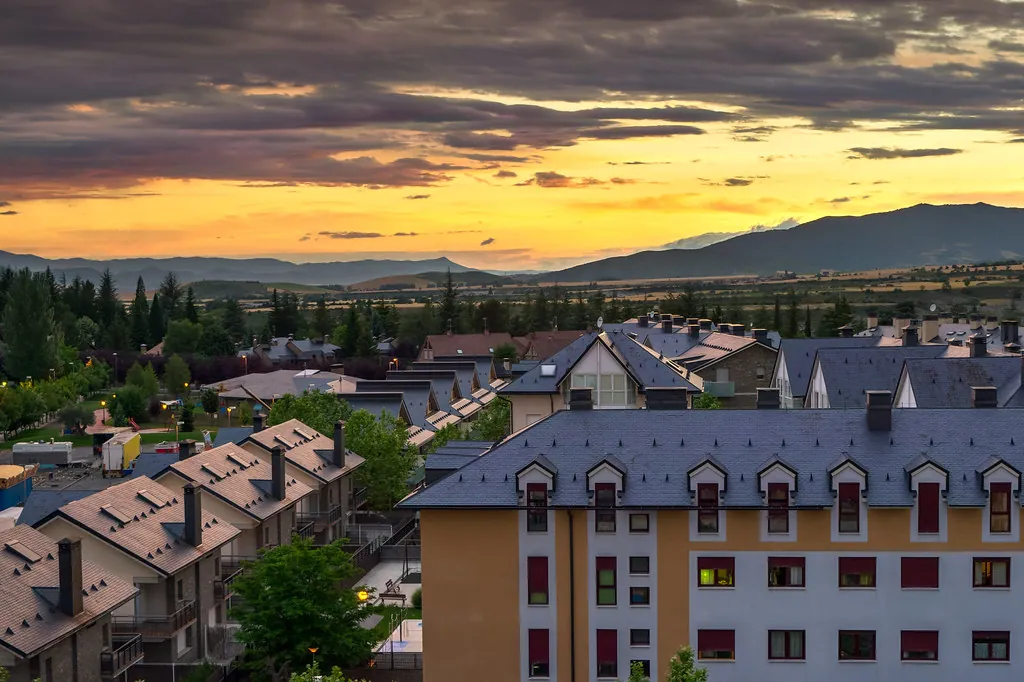
Meals require planning. The bar opens at 7 a.m. for coffee and serves tortilla until it runs out, usually around 2 p.m. Evening food means driving 25 minutes to Ejulve, where Mesón el Molino does a decent conejo al ajillo for €12. Self-caterers should stock up in Teruel; the village has no supermarket, no bakery, no market day. What it does have is a communal outdoor oven: book it through the ayuntamiento (€15 including firewood) and you can roast a chicken while the sun sets terracotta over the pines.
Alpenes will never feature on a “must-see before you die” list, and the locals prefer it that way. Come if you want to remember how loud your own thoughts are when nothing else competes for attention. Leave before you need a haircut, a cashpoint or a post office. The mountain will still be there, practising silence, waiting for the next curious traveller to climb the 1,223 metres and listen.