Full Article
about Ambel
Ocultar artículo Leer artículo completo
The Village That Time (and Tourists) Forgot
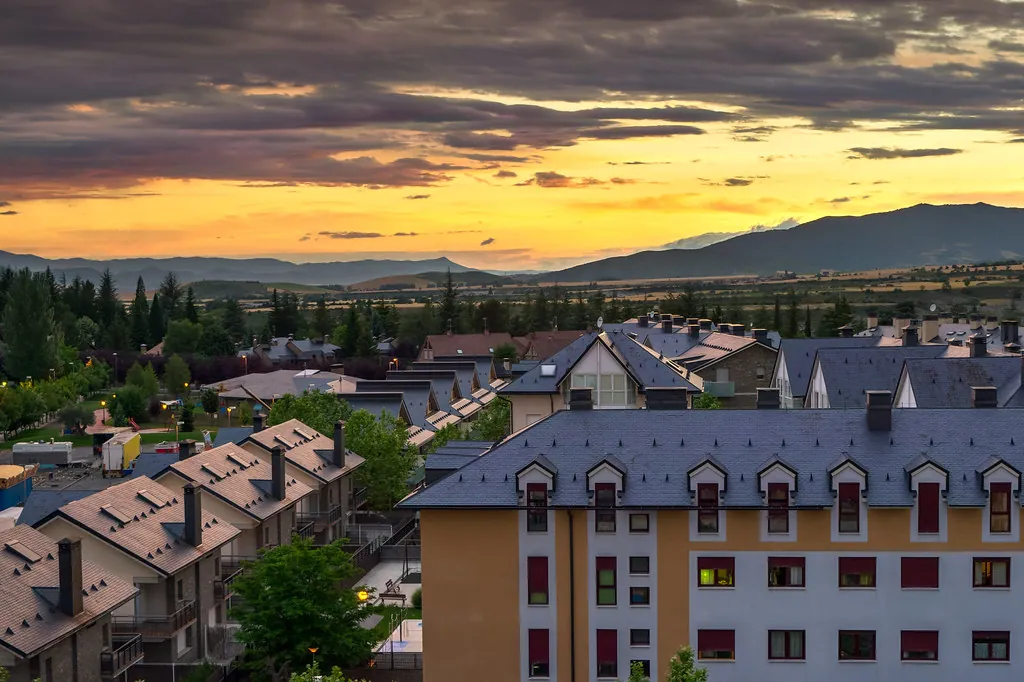
At 584 metres above the Ebro valley, Ambel's church belltower rises like a stone finger against skies that seem impossibly wide. Down below, 254 souls go about their business while 400 hectares of garnacha vines march across the hills in orderly rows, outnumbering humans by a ratio that tells you everything about this corner of Aragon.
This is farming country first, everything else second. The village sits at the northern edge of Campo de Borja, Spain's answer to Châteauneuf-du-Pape, where wine cooperatives rather than souvenir shops dominate the economic landscape. British visitors expecting whitewashed Andalusian fantasy will find something altogether more austere: honey-coloured stone houses built from the very ground they stand on, their wooden balconies painted the deep green that's become the region's unofficial trademark.
What Passes for Sights in a Place This Size
San Miguel Arcángel church squats at the village centre, its Mudejar tower a textbook example of Aragonese brickwork that married Christian height with Islamic patterns sometime in the 16th century. Inside, the retablo tells its own story of changing tastes: Renaissance panels sit awkwardly beside baroque excess, while a distinctly rococo San Miguel tramples a dragon that looks more surprised than defeated.
The palace complex beside it – part fortified house, part Renaissance mansion – houses the local council these days. Come at dusk when the stone warms to amber in the dying light, and you'll understand why photographers risk the winding mountain roads for that perfect shot. The building's floodlit at night, though power cuts aren't unknown in winter gales.
Wander the two main streets and you'll spot the usual rural Spanish architectural mash-up: medieval stone portals buttressed by 1970s breeze-block extensions, ancient wine cellars converted into garages, the inevitable abandoned house with tree growing through the roof. It's not picturesque – it's lived in, worn at the edges, honest.
The Wine That Pays the Bills
Campo de Borja's garnacha vines creep right to Ambel's edge, their gnarled trunks older than most villagers. The cooperative in nearby Borja produces bottles that regularly appear in UK supermarkets under £8, though the locals themselves drink something rougher from plastic jugs. Visit during September's vendimia and you'll see the harvest ritual unchanged since someone's grandfather's time: grapes tipped into ancient lagares, the sweet scent of fermentation drifting across morning mist.
The Borsao winery, ten minutes down the road, offers tastings in English by appointment. Their Tres Picos garnacha punches well above its price point – all blackberry and herby garrigue that makes you wonder why we pay Rhône prices for similar pleasure. The village bar stocks it for €6 a bottle, assuming you can find the bar open.
Walking It Off
Ambel's location makes it a natural stop for the increasingly popular Camino Natural del Moncayo, a converted railway line that cycles and walkers share from Tarazona to the foothills of Aragon's highest peak. The stretch passing the village offers gentle gradients and proper views across the Ebro plain, though summer sun is brutal and shade non-existent.
Proper hikers can tackle the ermita path, a 45-minute climb to the Virgen de la Consolación chapel perched above the village. The track's rough but manageable in trainers, winding through almond groves that explode white in February and provide perfect excuses for autumn foraging. From the top, the Moncayo massif dominates northern horizons while the Pyrenees float like distant clouds on clear days.
Winter transforms everything. At this altitude, snow isn't unknown, and the access road from the A-68 can ice over. Come December and January, Ambel feels properly isolated – which is exactly how the locals like it.
Eating (When You Can Find Somewhere Open)
Food here follows the agricultural calendar religiously. Spring means borrajas, that strange cucumber-like vegetable that tastes of marrow and asparagus simultaneously, fried with garlic and served as tapas in the single bar that bothers with tourists. Summer brings tomatoes that actually taste of something, drizzled with local olive oil strong enough to make you cough.
Ternasco – milk-fed lamb – appears on every menu worth its salt. The village restaurant (when it's open) serves it as chuletón, a Flintstone-sized chop for two that arrives sizzling on a platter with nothing but roasted peppers for company. At €18 a portion, it's cheaper than a mediocre pub steak back home.
The caramelised almonds sold in paper cones make perfect walking fuel. Pair them with a caña of beer and you've got the Spanish equivalent of elevenses, though you'll need to time it right – the bar shuts at 11am sharp and doesn't reopen until evening.
The Logistics Nobody Mentions
Let's be clear: Ambel isn't set up for tourists. There's no hotel, no cash machine, no petrol station. The nearest accommodation lies ten minutes away in Borja or Magallón – converted farmhouses with pools and views that make the detour worthwhile. Book ahead in harvest season; wine enthusiasts snap up the good places early.
The weekday bus from Zaragoza arrives at 3:30pm and leaves at 6am next day. Miss it and you're relying on Spanish hospitality or an expensive taxi ride. Driving makes more sense – hire cars from Zaragoza airport cost around £30 daily, and the journey takes just over an hour via the A-68. Fill up before you leave the motorway; Sunday drivers discover the hard way that rural petrol stations observe the siesta religiously.
Mobile signal drops in and out like a faulty radio. Download offline maps before you leave the main road, and don't rely on contactless payments – the bar's card machine works when it feels like it, which isn't often.
Worth the Detour?
Ambel rewards those seeking Spain unsanitised by tourism boards. It offers silence broken only by church bells and tractor engines, wine that costs less than bottled water in London, and views that stretch across three provinces on clear days. It also offers closing times that mystify, restaurants that open according to whim, and the certain knowledge that you're intruding on someone else's daily life.
Come for the wine route, stay for the sunset from the ermita, leave before the novelty of rural isolation wears thin. Combine it with Borja's co-operatives or Tarazona's medieval splendour, but don't expect to fill more than a morning here. Ambel isn't trying to impress you – it's simply getting on with being a Spanish village, albeit one surrounded by some of Europe's best-value wine country.
That might be exactly what you're after. Or you might find yourself, like many before, driving away after an hour wondering what all the fuss was about. In Ambel, the fuss is precisely that there isn't any.