Full Article
about Ardisa
Ocultar artículo Leer artículo completo
The church bell strikes noon, yet nobody appears. Not a single shop door opens, no café chairs scrape against stone. In Ardisa, population seventy-two, the siesta starts early and lasts all afternoon. This microscopic settlement in Aragon's Cinco Villas region doesn't do bustling markets or souvenir stalls. Instead, it offers something increasingly rare in modern Spain: genuine, unorchestrated quiet.
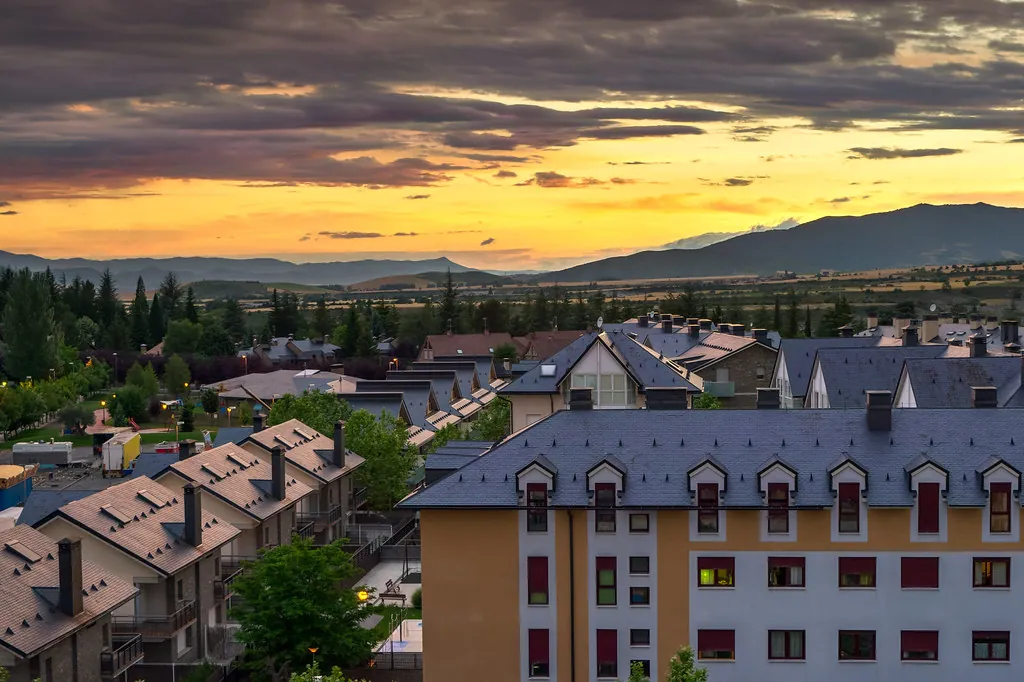
At 433 metres above sea level, Ardisa sits high enough to catch cooling breezes from the Pyrenean foothills, yet low enough to feel the full force of the continental climate. Summer temperatures regularly top 35°C, turning the surrounding cereal fields to gold. Winters bite hard; frost patterns the stone walls from November through March, and the village's single road can ice over overnight. Spring and autumn provide the sweet spot—mild days, clear skies, and that particular quality of light that makes the sandstone buildings glow.
The village reveals itself gradually along the A-132, a winding comarcal road that feels like driving through an agricultural patchwork quilt. Olive groves give way to wheat fields, then back to olives again. Ardisa appears suddenly—a cluster of terracotta roofs perched above the road, visible for exactly three seconds before disappearing behind a bend. Blink and you've missed it. Many do.
San Martín de Tours church dominates the tiny plaza, its modest Romanesque tower rebuilt so many times that architectural purists might wince. Yet the building works precisely because it isn't pristine. Local stone walls show centuries of repairs, each generation adding their own touch. Inside, fading frescoes hint at medieval devotion while plastic flowers and handwritten parish notices ground the space firmly in present-day concerns. The faithful few still gather here for Sunday mass; visitors are welcome to sit in the cool interior, though services run entirely in Spanish with thick Aragonese accents.
Wandering the three main streets takes roughly twenty minutes, assuming you stop to photograph the typically Aragonese architecture: sturdy wooden doors, internal courtyards glimpsed through iron gates, walls thick enough to keep interiors cool during scorching summers. Some houses stand empty, their shutters permanently closed. Others show signs of weekend restoration projects—freshly pointed stonework, newly planted geraniums in terracotta pots. The village's survival depends on these part-time residents returning from Zaragoza or Huesca to breathe life back into ancestral homes.
Beyond the last row of houses, footpaths disappear between wheat fields. These aren't waymarked hiking routes with reassuring yellow arrows. They're farm tracks used by local agricultural workers, occasionally doubling as public rights of way. Follow one eastwards for twenty minutes and you'll reach a small gorge carved by seasonal streams. Griffon vultures circle overhead, riding thermals rising from sun-baked slopes. The landscape feels distinctly African—dry, golden, vast. Carry water, wear a hat, and don't expect phone signal once you drop below the village ridge.
Food presents challenges. Ardisa contains no restaurants, bars, or shops. Zero. The closest bakery sits eight kilometres away in Luesia, open only until 1 pm. Self-catering becomes essential. Casa Laste, the village's sole holiday rental, provides basic kitchen facilities. Stock up in Ejea de los Caballeros before arrival—the town's supermarkets carry local produce worth seeking out: robust Somontano red wines from neighbouring vineyards, intensely flavoured olive oil pressed from Arbequina olives, and cured meats from small-scale producers who still follow traditional methods.
The absence of commercial infrastructure forces a different rhythm. Days revolve around meal preparation, reading on the small terrace, watching light change across the fields. Evenings mean stargazing—the altitude and distance from major towns creates exceptionally dark skies. On clear nights, the Milky Way appears so bright it casts shadows. Bring binoculars for amateur astronomy; constellations visible from Britain appear sharper here, the stars pinned against velvet darkness rather than urban orange glow.
Access requires determination. Ryanair flies direct from London Stansted to Zaragoza twice weekly during summer, less frequently in winter. Hire cars await at the airport, though beware: Spanish rental companies often charge eye-watering fees for British drivers without international permits. The ninety-minute drive north crosses increasingly empty landscapes—first industrial estates, then olive plantations, finally the rolling cereal plains of Cinco Villas. Fuel up beforehand; petrol stations thin out dramatically beyond the A-23 motorway.
Public transport simply doesn't exist. No buses serve Ardisa. Taxis from Zaragoza cost upwards of €120 each way, assuming you can persuade a driver to make the journey. Cycling appeals to the adventurous, though summer heat and steep final climbs test even fit riders. Mountain bikes work better than road bikes; the rough track surface from the main road would destroy thin tyres.
Timing matters enormously. August brings fierce heat and swarming flies. Many houses lack air-conditioning; thick stone walls help but can't work miracles when temperatures hit 40°C. August also hosts the village fiesta—three days when population temporarily swells to perhaps two hundred. Former residents return, music plays until dawn, and the plaza fills with chatter. It's either magical or unbearable, depending on your tolerance for noise and crowds.
November's San Martín celebrations prove more manageable. The patron saint's day means roast chestnuts, local wine, and traditional dancing in the church square. Weather remains unpredictable—bright sunshine can flip to driving rain within hours. Pack layers and waterproofs, even when forecasts promise clear skies.
Winter visits suit those seeking true solitude. Village houses sit empty, smoke rising from only a few chimneys. Days stay cold but often clear, perfect for brisk walks through dormant fields. Nights drop below freezing; Casa Laste's wood-burning stove becomes essential rather than atmospheric. Snow falls occasionally, transforming the landscape into something almost Alpine. The road becomes treacherous; winter tyres or chains prove necessary rather than merely advisable.
Spring brings the countryside alive. Wheat shoots emerge, turning fields an almost lurid green. Wildflowers dot roadside verges—poppies, cornflowers, delicate orchids. Birdlife increases dramatically; swallows return to nest in barn eaves, hoopoes call from olive groves, booted eagles soar overhead. This is Ardisa at its photographic best, though April showers can arrive suddenly and violently.
The village raises questions about sustainable tourism. Can places this small absorb visitors without losing their essential character? Ardisa's answer seems to be limiting numbers through inconvenience rather than regulation. The lack of facilities naturally restricts visitor numbers to those genuinely committed to experiencing rural Spanish life—warts and all. No tour buses can navigate the narrow streets. No cruise-ship day-trippers would tolerate the absence of toilets and cafés.
Leaving feels like stepping back through a veil into modern Spain. The motorway roar, the neon signs, the twenty-four-hour petrol stations—they all seem slightly overwhelming after days of silence. Ardisa doesn't provide the Spain of flamenco and sangria. It offers something more valuable: permission to slow down, to listen to wheat rustling in evening breezes, to remember how villages functioned before tourism became their primary industry. Just bring your own food, patience, and realistic expectations. The village will supply the rest.