Full Article
about Arino
Ocultar artículo Leer artículo completo
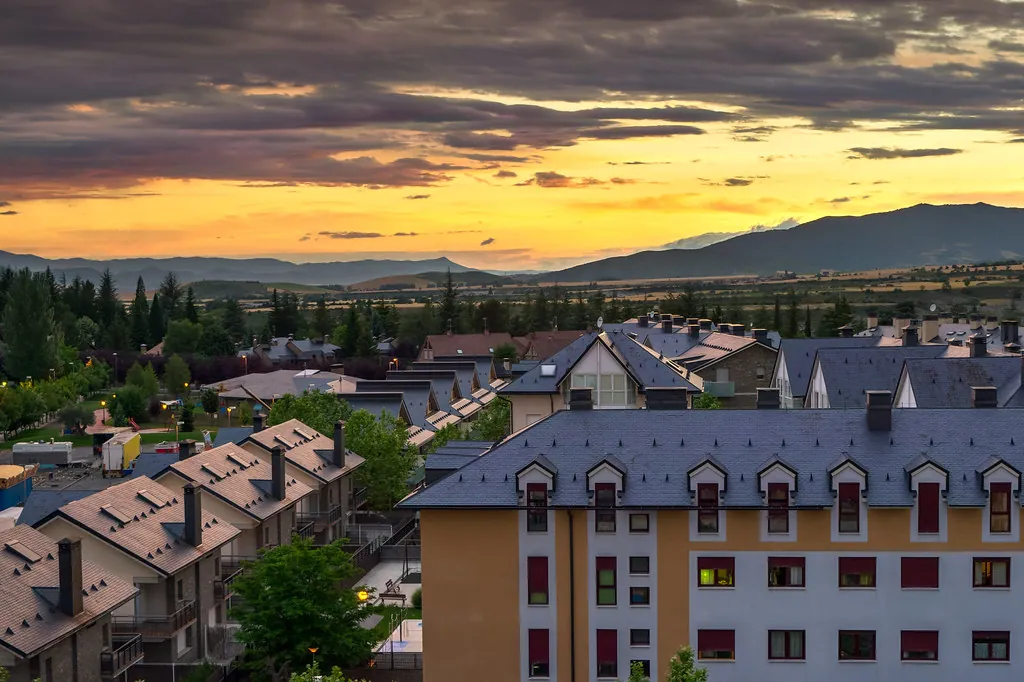
The first thing that strikes you is the colour of the earth. From the A-1415 turn-off, the track into Arino cuts through rust-red spoil heaps that could pass for a Martian film set. This is the tail-end of the old coal belt that once fed families here; now the shafts are silent and the Sierra de Arcos pushes up behind like a cracked slab of grey toast. At 536 m above sea level the village sits just high enough to catch a breeze, but low enough for almond trees to survive on rain that barely tops 350 mm a year.
Arino proper is a one-main-street affair—fewer than 700 souls, one chemist, two bars and a bakery that shuts at noon. The plaza is still the clock of daily life: old men shuffle cards under the plane trees, the church bell marks the hours, and if you want a coffee after 9 p.m. you’ll need to knock on the bar door so Manolo can let you in before he locks up again. There is no tourist office; directions are given with a tilt of the head and the certainty that you’ll come back to ask the same question twice.
Stone, Salt and the San Pedro Chasm
The parish church of San Pedro squats in the middle of the square like a weathered lecture on masonry. A Romanesque base, Gothic ribs slapped on during a 16th-century boom, and a bell tower that lost its spire in the 1834 earthquake. Inside, the air smells of candle wax and the stone floors are bowed by centuries of work boots. Walk the perimeter and you can see where the quarrymen matched new limestone to old; the joints are tighter than anything modern cement achieves.
Three kilometres north-east, the San Pedro Chasm gapes 80 m deep. A natural gorge sliced into the Cretaceous, it is littered with fossil oysters that rattle under your feet. The track is a stony lane passable in a normal car if you swear gently and avoid the drainage ditches. At dawn the walls glow ochre and vultures rise on thermals beneath your feet; by midday the river at the bottom is a silver thread and the only sound is your own heartbeat. Bring a head for heights—the viewing platform is a sheet of steel bolted to the cliff and it sways.
Walking the Dry Sierra
Maps of the area are sold at the bakery for €6, but they are 1:50 000 and show more contour lines than paths. In practice the hills are a lattice of mining tracks. Park at the cemetery gate, follow the red-and-white waymarks painted by the local ramblers in 2019, and within an hour you’re on the ridge at 1 050 m with the Ebro Valley spilling out below. Spring brings purple thyme and the smell of resin; October turns the steppe the colour of burnt toast and you can walk all afternoon without meeting anyone. If snow falls—rare but possible—those same tracks become impassable mud, so come between March and mid-June or late September to early November for the kindest going.
Food Meant for Shift Workers
Arino’s kitchens never got the memo about small plates. Order the menú del día in Bar Moderno (€14, weekdays only) and you’ll receive soup thick enough to stand a spoon in, followed by a slab of ternasco—milk-fed lamb roasted with rosemary in a wood-fired oven. The meat is pink, sweet and tastes like the best Sunday joint your grandmother forgot to time. Migas del pastor arrives as a mountain of fried breadcrumbs, flecked with pancetta and grapes; it is stodge designed for men who once walked home from the pit in the dark. Vegetarians get scrambled eggs with peppers, and like it. House wine is a young Garnacha from Somontano, softer than Rioja and easier on the head next morning.
Puddings are mostly almond-based—peach tart from Calanda if the season allows, otherwise tocino de cielo, a set custard that could double as engine grease. Coffee comes in glasses, not cups, and if you ask for milk they assume you mean the hot UHT variety. Card payments? Sometimes. Bring €20 notes or smaller; the till runs out of change when half the terrace is drinking.
Where to Sleep (and Why You’ll Want a Pool)
There are no hotels. The choice is between two casa rurales and a handful of private villas. Finca del Martín, run by an expat couple from Kent, has three bedrooms, Wi-Fi that actually reaches the terrace and a salt-water pool facing west so you can float while the sun drops behind the sierra. Week-long lets in May start at £650; August jumps to £1 200 and is booked solid by Easter. The village alternative is Casa de la Plaza, a 19th-century townhouse with beams you can’t stand upright under and a kitchen that still uses bottled gas. It costs €90 a night for the whole place—cheap, but you’ll share your shower with the occasional gecko. Either way, pack flip-flops; the streets are cobbled and the stone radiates heat until midnight.
Getting There Without Losing the Will
Fly Ryanair from London-Stansted to Zaragoza (2 hrs 10 min), pick up a hire car and head south-east on the A-23. After 90 km leave at exit 322, swing onto the N-211 for 15 km, then follow the A-1415 for the final 12 km. Petrol is 10 c cheaper on the motorway; the village pumps shut at 2 p.m. on Saturday and don’t reopen until Monday. Public transport is fiction: one school bus leaves Teruel at 6 a.m., returns at 3 p.m., and refuses tourists with luggage. If you land at Reus instead, the drive is two hours via the C-44 and the landscape switches from olive groves to almond terraces so fast you’ll think someone is turning the pages of a pop-up book.
When Not to Come
August is furnace-hot; thermometers kiss 38 °C and the village pool charges €3 for a two-hour slot. August fiestas are fun if you like brass bands at 2 a.m., but every house echoes with fireworks and the sole bakery stops bread runs for three days. Mid-winter is quieter, yet night frosts can hit –8 °C and most rentals turn the water off to save pipes. If you’re after snow-dusted postcards, drive 40 km uphill to the Javalambre ski station; Arino itself just gets grey mud.
Rain, when it arrives, is biblical for exactly six hours. The gullies become rivers, the streets run red with iron-rich soil and you’ll understand why every doorway has a 20 cm step. Bring a waterproof and a sense of humour; the sierra changes colour overnight and the smell of wet thyme is worth the soak.
Last Orders
Arino will never make the front page of a glossy magazine. It offers no souvenir shops, no Michelin stars, no flamenco nights. What it does give you is the sound of your own boots on a ridge where the only other footprint might belong to a wild boar, and a bar that remembers how you like your coffee even if you were last here two years ago. Turn up with a full tank, an empty stomach and no fixed agenda, and the village will write its own modest chapter in your diary. Just don’t expect to leave before the church bell tolls noon—by then the bakery is shut, the pavement tables are full of miners’ widows playing dominoes, and you’ll have to wait until evening for that second slice of almond tart.