Full Article
about Ateca
Ocultar artículo Leer artículo completo
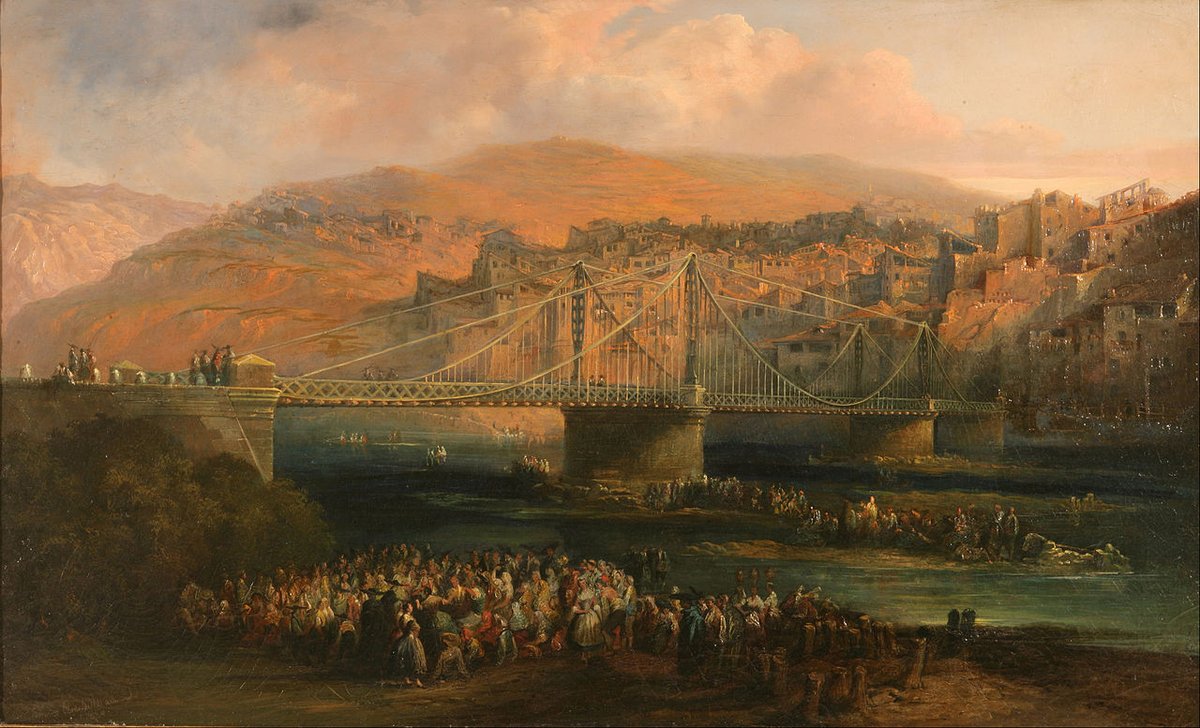
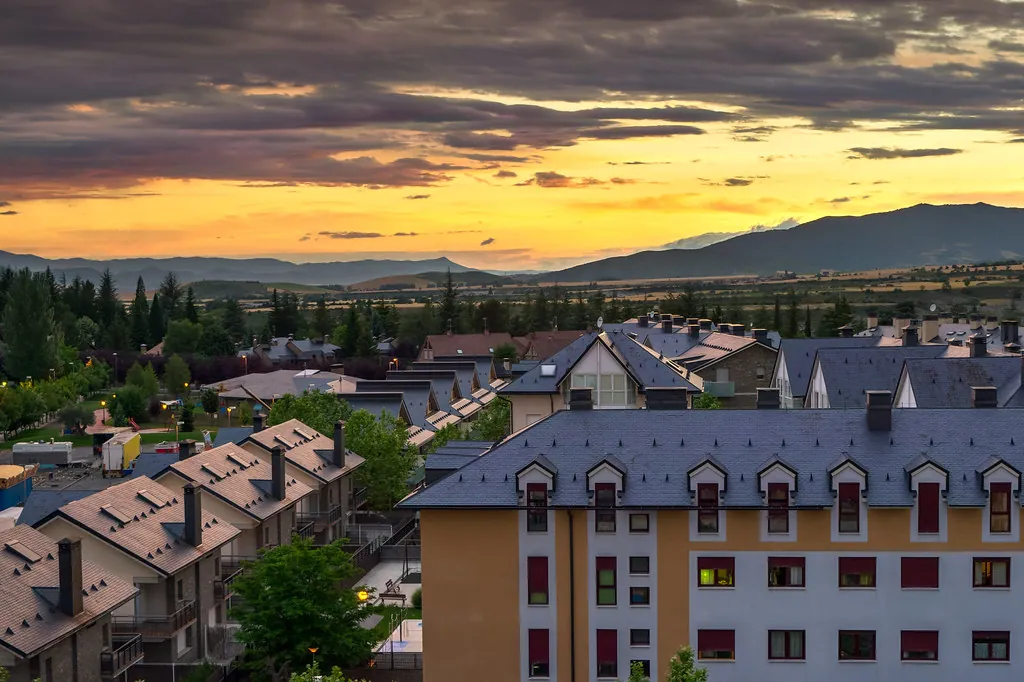
At 06:15 in early May the sun tops the Sierra de Algairén and strikes the twin towers of San Pedro straight on, turning the stone the colour of burnt cream. By 06:20 the swifts are up, and by 06:25 the first tractor coughs into the cereal fields that press against the village from every side. Nothing else happens for a while. Ateca, 603 m above the Jalón valley, begins its day slowly, and expects you to do the same.
A town that never learned to shout
Calatayud, the comarcal capital, is 17 km away on the A-2 – close enough for bread deliveries, too far for tour-coach crowds. The result is a working town of 1,690 souls where tourist income is welcome but not essential. Elderly men still play dominoes under the stone arcade of Plaza Mayor while the bar owner sweeps last night’s sunflower-seed husks into the gutter. Women queue at the panadería before 10 a.m.; if you want a loaf, join the queue rather than expecting late-opening hours.
The architecture is sturdy rather than pretty. Romanesque arches survive inside San Pedro, but the 16th-century Mudéjar tower is the real draw: brick patterned in diamond bands, slightly out of plumb, loud with nesting storks. Opening times change with the priest’s diary; if the oak doors are shut, ask in the ayuntamiento across the square – the part-time custodian keeps the key in her handbag and will walk you over if she’s free. Entry is free, but coins for the lights are appreciated.
Round the corner are the fractured walls of the Franciscan convent founded in 1213. Only the east range and half a cloister remain; wild fennel grows between the graves. Interpretation boards are in Spanish only, so bring a translation app or simply enjoy the silence. The stone is warm after midday, good for a five-minute sit-down while you decide whether to tackle the short climb to the windmills on Cerro del Castillo.
Walking without drama
The hills behind Ateca top out at 900 m – high enough for thyme-scented air, low enough for a gentle stroll. A signed 5 km loop leaves from the football pitch, skirts almond terraces, then climbs to a bench that gives a farmer’s-eye view of the Jalón flood plain. Spring brings poppies and bee-eaters; September smells of freshly cut barley. Boots are overkill: trainers suffice, and the path is dog-friendly. Allow 90 minutes, longer if you stop to photograph the abandoned shepherd’s hut that frames the church towers perfectly.
Summer walkers should carry water – the altitude tricks you into thinking it’s cooler than it is, yet the sun ricochets off the limestone. In winter the same hills can be dusted with snow; the N-234 is gritted, but the secondary road from Villarreal de Huerva sometimes closes for half a day. Check the DGT traffic app before setting out.
What turns up on the table
Lunch is the main event, eaten between 14:00 and 15:30 and preferably followed by a quarter-hour siesta in the tiny park behind the health centre. The set menu at Bar-Restaurante El Colo costs €12 (2024 price) and includes a carafe of local garnacha that would retail in the UK for £9. Expect a bowl of longaniza stew first – the village sausage is milder than chorizo, more like Cumberland rings – then borrego, lamb slow-roasted with rosemary until it surrenders at the touch of a fork. Vegetarians get escalivada (roasted aubergine and peppers) dressed with Arbequina oil; vegans should state so clearly, or the kitchen will grate Manchego on top.
Evening tapas are free if you order a drink before 21:00. Try the migas: fried breadcrumbs with nuggets of bacon, comfort food that tastes suspiciously like stuffing. Finish with pastel de Ateca, a square of puff pastry filled with peach or apricot depending on the week; the fruit comes from irrigated orchards 10 km downstream and arrives still warm.
Cards are accepted in most eateries, but two bars on Calle San Pedro refuse plastic for bills under €10. Cashpoints are inside the Cajamar branch on Plaza Mayor – one machine, occasionally out of service on Thursdays when the armoured van is late.
When the town lets its hair down
San Pedro’s fiestas close the last weekend of June. The schedule is printed on a single A4 sheet taped to the church door: bull-running at dawn, children’s foam party at dusk, bagpipe band imported from neighbouring Navarre. Visitors are welcome, but accommodation within the village is limited to six rooms above the restaurant; book by Easter or expect a 30-minute drive back to Calatayud. August brings the summer feria: open-air dancing ending at 04:00, loud enough that light sleepers should accept the invitation rather than fight it. Earplugs cost €2 at the farmacia – buy them before closing time at 14:00.
Practical odds and ends
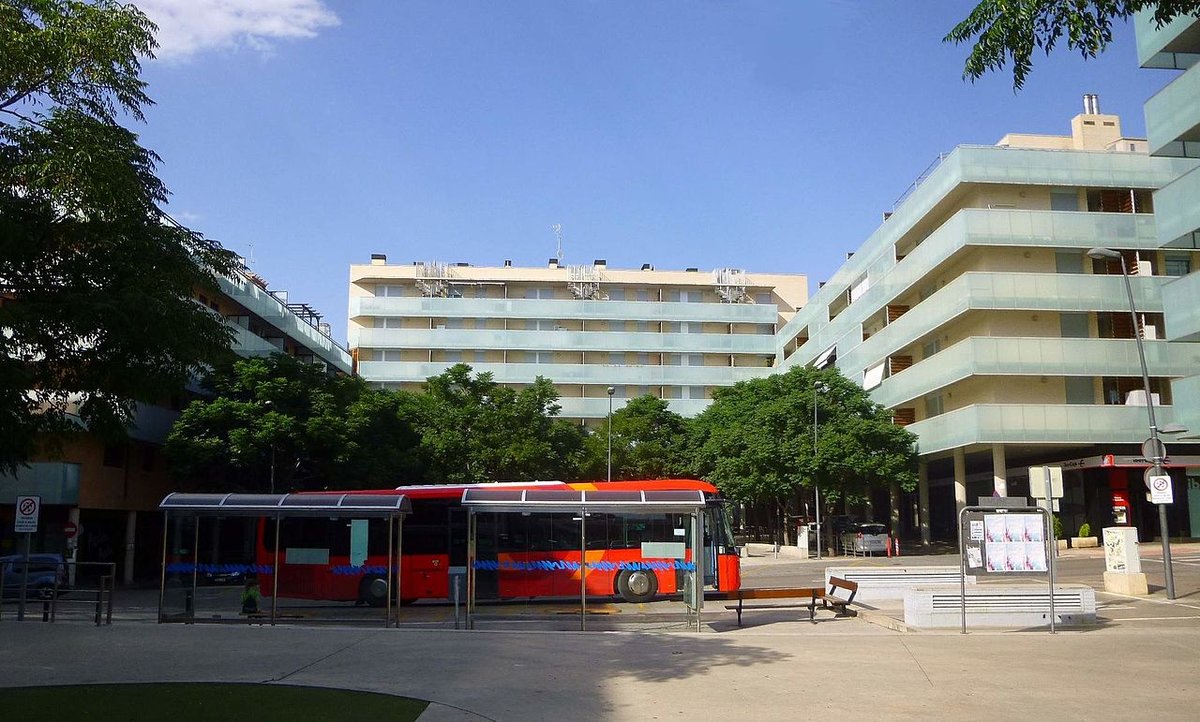
Getting here: Zaragoza airport is 75 minutes by hire car; Reus and Madrid are both two hours on the toll-free route. There is no train station – the Calatayud-Valencia line stopped in 1985. Buses from Zaragoza run twice daily, timed for commuters rather than sightseers.
Staying: The motor-home aire on the eastern bypass has 20 hard standings, potable water and grey-water disposal; overnight is €6 including security barrier code. British camper forums rate it “quiet enough to hear the storks”. The only hotel is Hostal El Arco (doubles €55, decent Wi-Fi, no lift). Rooms at the back overlook the riverbed instead of the square – ask if you need darkness for an early night.
Language: English is rarely spoken outside the hotel. Download an offline translator and learn three phrases: “¿A qué hora abre la iglesia?”, “¿Hay menú hoy?”, “La cuenta, por favor.”
Timing: May and mid-September give 24 °C days and 12 °C nights. July and August push 35 °C; businesses lock up from 14:00 to 17:00. January can hit –5 °C at dawn – beautiful for photographers, brutal for caravan water systems.
Worth it?
Ateca will not change your life. It offers no Michelin stars, no souvenir tat, no selfie queues. What it does offer is a slice of Spain that still belongs to Spaniards: a town where the butcher knows how many chops you bought last week and the barman tops up your coffee because it’s raining. If that sounds too quiet, stay on the motorway. If it sounds like breathing space, turn off at junction 244 and climb the 603 m. The storks will be waiting, and the lamb will still be in the oven when you arrive.