Full Article
about Badules
Ocultar artículo Leer artículo completo
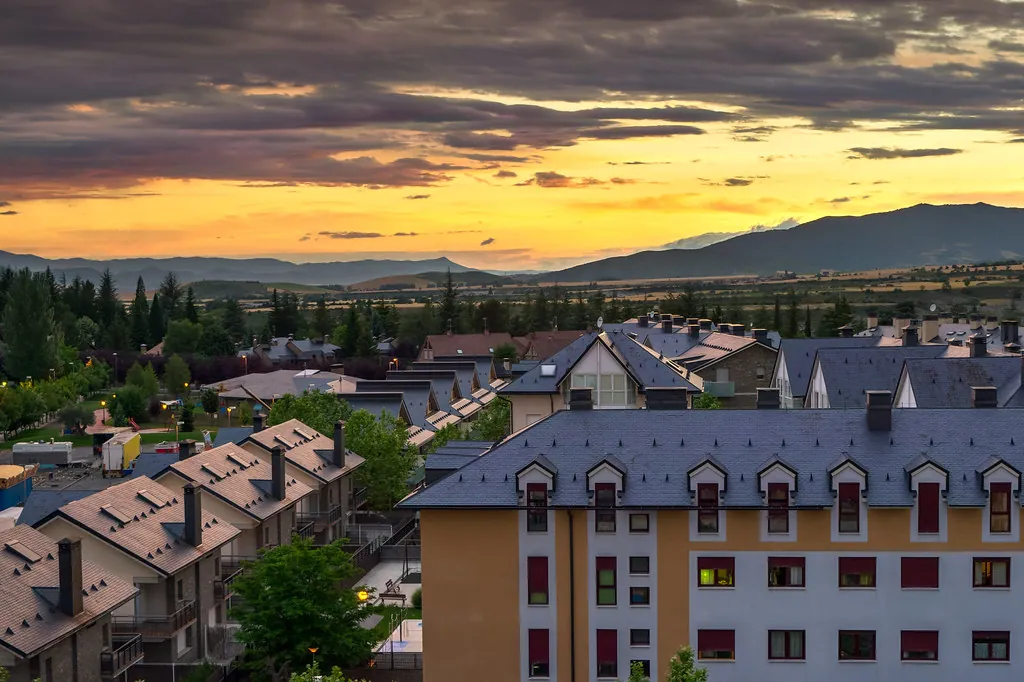
The church bell strikes noon, and for a moment the only sound across Badules is a tractor grinding through distant wheat fields. At 922 metres above sea level, the village perches on a ridge that separates the Jiloca valley from the high plateaux of Campo de Daroca, giving every horizon the depth of a Renaissance painting drawn in ochre and olive green.
Seventy-three residents call this home—fewer than the number of seats on a British coach tour—yet the settlement behaves more like an organism than a dot on the map. Stone houses breathe heat in the evening, streets narrow and widen according to medieval livestock widths, and the limestone parish church of San Miguel Arcángel keeps watch as it has since at least the 1700s, its tower repaired so often the brickwork resembles a family patchwork quilt.
Walking the Skyline
Visitors arrive expecting ruins and leave having walked across a living map. Five minutes west of the last house the tarmac gives way to farm tracks that climb gently towards Cerro de la Nevera. From the summit, 150 metres above the village, the whole geography snaps into focus: the sinuous Jiloca River threading south towards Teruel, cereal steppes rippling like corduroy in the breeze, and, on very clear days, the snow-dusted summits of Sierra de Santa Cruz 40 kilometres away. Spring brings lime-green wheat shoots; by late June the same fields bleach to platinum. Autumn is the photographers’ favourite—stubble fields glow copper under low sun, and the air smells faintly of thyme crushed by passing sheep.
Paths are unsigned but follow the dry-stone walls; if you can see the village water tank you haven’t gone too far. Allow ninety minutes for the circular loop back past an abandoned threshing circle where swallows dive through broken stone arches. Stout shoes are sensible: the clay hard-pans after drought and turns slick after storms that roll in from the Iberian System without warning.
Stone, Adobe, and Silence
Badules has no ticketed attractions. Instead, history sits in plain sight. Houses alternate between immaculate restorations—flowerpots on iron balconies, woodwork painted indigo—and gap-toothed façades where the roofline has collapsed, revealing hand-hewn beams blackened by a century of hearth smoke. Peer through the metal grille of number 14 Calle Iglesia and you’ll spot a manger: villagers still stable a donkey there overnight, continuing a practice that shaped these lanes long before the internal combustion engine.
The church interior is kept locked except for Saturday evening Mass, but the porch alone rewards a pause. Notice the limestone blocks pillaged from a Roman milestone—Latin inscriptions run upside down, testimony to pragmatic reuse rather than reverence. Locals will tell you the building lost its Baroque spire in the 1937 civil-war crossfire; replacement bricks are yellower, a mute chronology for anyone who troubles to look up.
Eating with the Seasons
There is no restaurant, no tapas trail, no Instagram-famous chef. What you will find is hospitality offered at the speed of conversation. Knock at the ayuntamiento (weekday mornings only) and the secretary may ring Doña Pilar, who occasionally prepares lunch for passing engineers inspecting the wind farms. For €12 you’ll receive a three-course menú del día: garlic soup with a poached egg, migas—fried breadcrumbs laced with chorizo—and a slab of sheep’s-milk cheese from Fuentes de Jiloca. Water arrives in a reused wine bottle; wine comes in a jug that never seems to empty. Vegetarians should speak up early: the default is meat, more meat, and remembrance of meat.
Bring supplies if you prefer autonomy. The last proper shop closed in 2018; a mobile grocer in a white van visits Tuesday and Friday at 11:00, honking twice. Stock up on tinned tuna, local peaches in season, and the sweet dry flatbreads called tortas that walkers pocket for energy. One cash machine exists inside the bakery-café, but it eats foreign cards for sport—carry euros.
Festivals that Refill the Streets
For 363 days Badules murmurs; for two days at the end of September it shouts. The fiestas de San Miguel turn doorways into vantage points as returning families inflate population five-fold. Processions start at the church, pause for prayers in the Plaza Mayor, then dissolve into a street party where the village band plays pasodobles with more enthusiasm than tuning. Visitors are handed glasses of cloudy morica wine; refusal is taken as personal insult. Book accommodation in Daroca, 14 kilometres away, months ahead: every spare mattress within 40 minutes’ drive is claimed by cousins who emigrated to Zaragoza or Barcelona decades earlier but wouldn’t dream of missing the communal paella cooked over vine prunings in a pan two metres wide.
Getting Here, Staying Sensible
From Zaragoza–Delicias bus station, a twice-daily service trundles south on the A-23 towards Teruel; ask the driver for “parada de Badules” and you’ll be dropped at the junction of the N-211, a 25-minute walk uphill into the village proper. Car hire is simpler: follow the motorway for 80 kilometres, exit at Daroca, then follow the local road signposted “Badules 14 km”. Snow chains are obligatory in vehicles from November to March; winter storms can cut power for 24 hours, so fill the petrol tank at the last roundabout in Daroca and carry a torch.
Accommodation is scarce. Two village houses have been converted into basic casas rurales: three bedrooms, wood-burning stoves, Wi-Fi that flickers when the wind turbines on the ridge spin too fast. Expect €70 per night for the whole house—excellent value if travelling as a group, otherwise contact the tourist office in Daroca for family-run B&Bs in the valley. Camping is tolerated on the common land south of the cemetery; leave no trace and introduce yourself to the farmer who will inevitably appear at dusk.
The Honest Verdict
Badules will not change your life. It offers no souvenir stalls, no soundtrack except birdsong and the occasional quad bike. What it does provide is a calibration point for anyone worn out by Spain’s costas and city-break tick lists. Stand on the ridge at sunset when the plateau turns violet and the only light below is a single bulb above the church door, and you’ll understand why some places need neither marketing nor myth—just enough height to let you see the world in proportion.