Full Article
about Bezas
Ocultar artículo Leer artículo completo
A Village that Measures Distance in Echoes
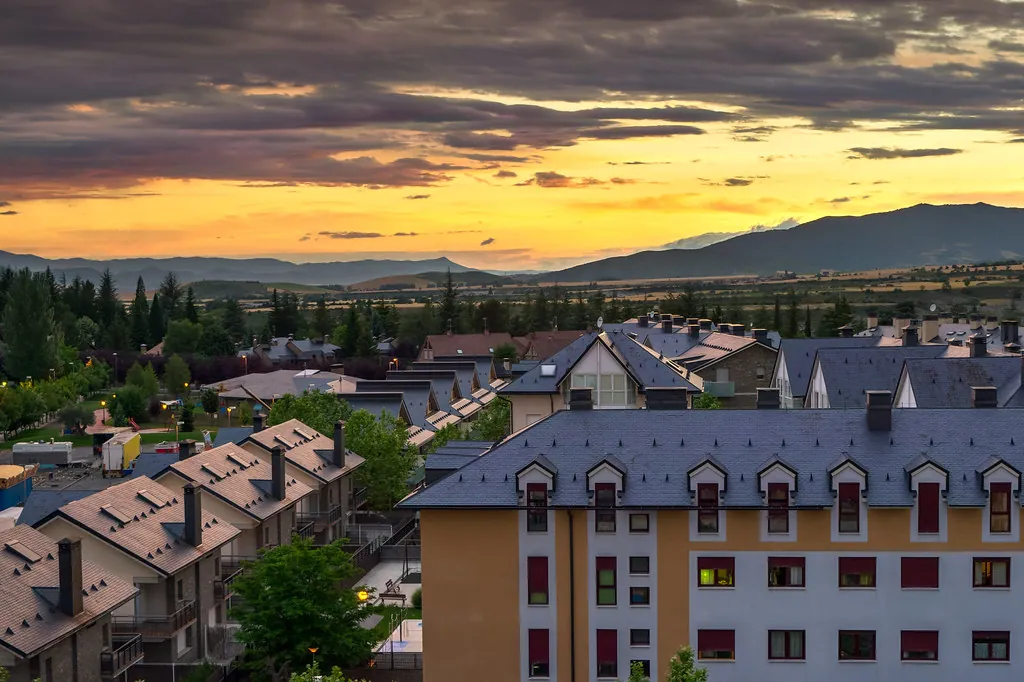
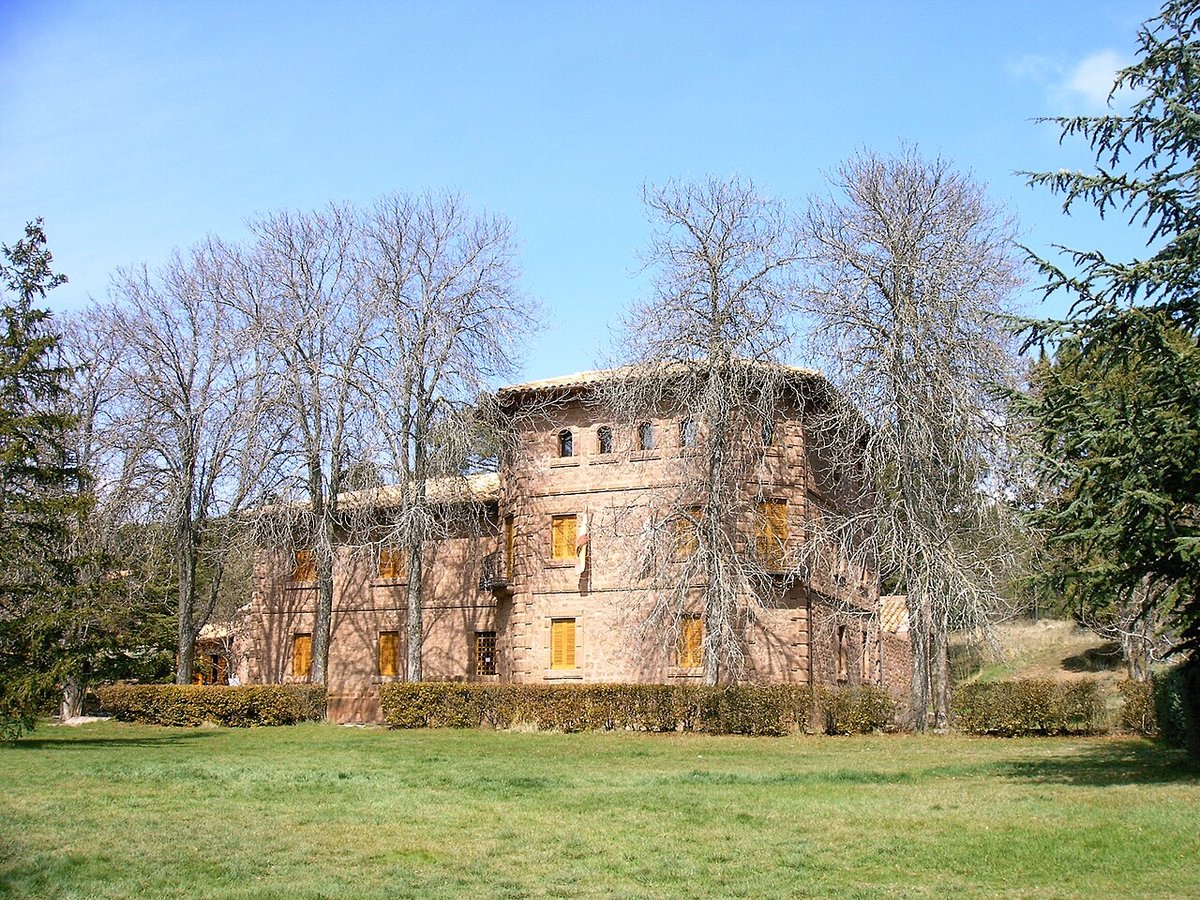
The road to Bezas climbs steadily after Cella, leaving the olive groves behind and entering a landscape where red sandstone cliffs rise above endless pine. At 1,165 metres, the village appears suddenly—a cluster of stone roofs and timber balconies perched on a ridge, small enough to walk across in twelve minutes yet high enough to catch the wind that carries the scent of resin and woodsmoke.
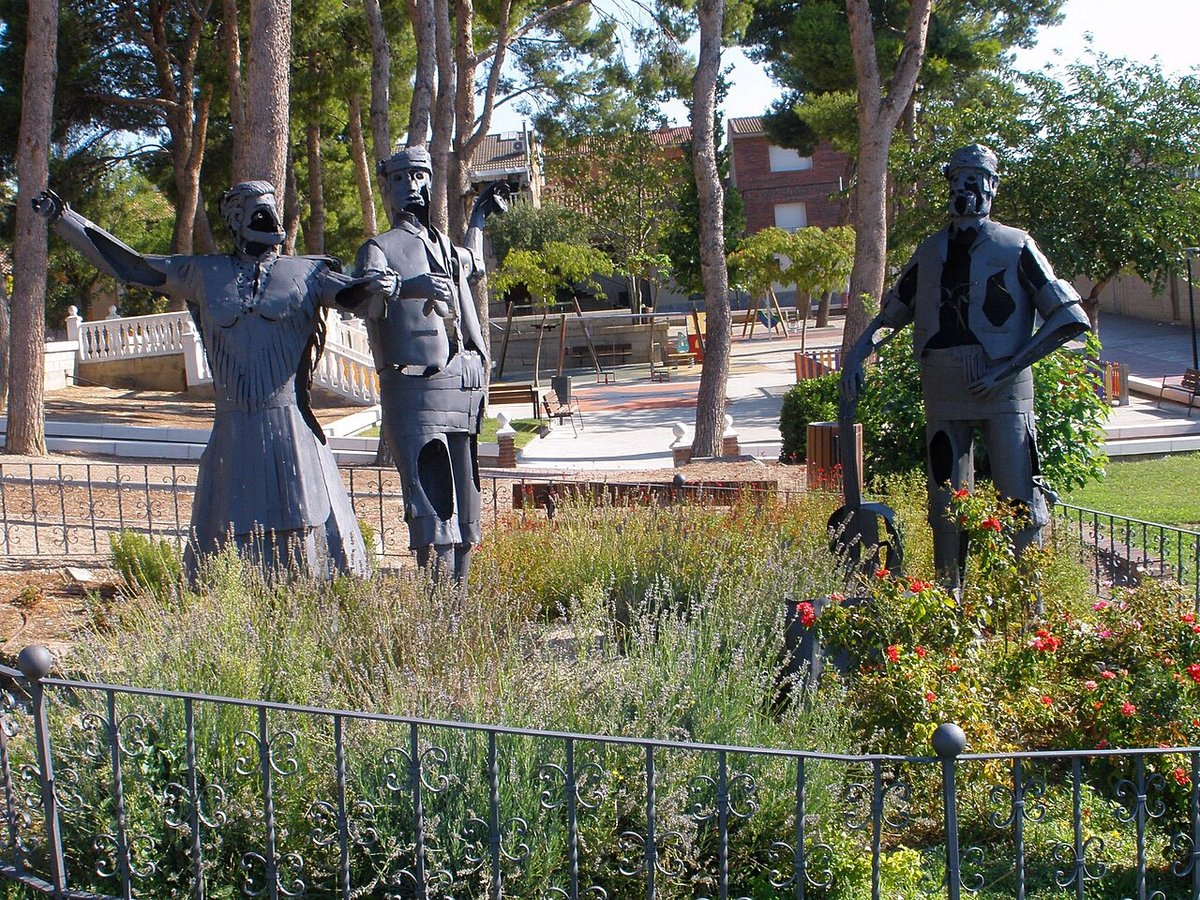
Seventy-six people live here year-round. Their houses, built from the same rodeno stone that colours the nearby cliffs, stand shoulder-to-shoulder along lanes barely wider than a farm tractor. Nobody hurries. An elderly man pauses to watch a sparrowhawk circle overhead; two women chat from opposite balconies, their voices carrying across the narrow street like neighbours leaning over garden fences in a Yorkshire terrace. The only shop closed a decade ago, so daily life revolves around the bar at Hotel El Molino, where coffee emerges from a vintage Gaggia at €1.20 and the barman keeps note of tabs in pencil on a paper napkin.
Walking into the Pinares
Bezas makes no attempt to entertain. Instead, it offers access. Three way-marked footpaths leave the upper edge of the village, threading between maritime pines and aromatic rosemary. The shortest loop, Sendero del Cerrral, climbs gently to a ruined sheep fold before dropping back through holm oak—an hour’s stroll suitable for children in trainers. More serious walkers continue east along the PR-TE-56, a six-hour circuit that follows the Guadalaviar gorge to prehistoric rock art, then returns via the village of Albarracín, 25 minutes away by car.
Summer heat can top 32 °C by eleven o’clock, so early starts are sensible. Carry more water than you think necessary; streams marked on older maps often run dry after June. In autumn the same paths become treasure trails: níscalos (saffron milk-caps) push through pine needles, and locals carrying wicker baskets will point out edible varieties—provided you greet them with a polite “¿Perdone, buenos días!” first. Mushroom rules are strict: two kilos per person, knife cut above the stem, no plastic bags.
Mobile coverage vanishes within 200 metres of the last house. For some visitors this is panic-inducing; for others it is the first deep breath in years. Emergency reception returns on the ridge above the village, a twenty-minute uphill scramble where the reward is a 30-kilometre view across a saw-tooth horizon that turns amber at dusk.
What Passes for High Life
Evenings centre on food, because there is little else. Hotel El Molino’s dining room opens at eight; by nine the place is loud with Spanish families who have driven up from Teruel for the cool air. Weekday menú del día costs €15: perhaps a bowl of migas—fried breadcrumbs laced with garlic and grapes—followed by cordero al estilo de Teruel, lamb slow-cooked until it slips from the bone. Vegetarians survive on tortilla and grilled peppers; vegans should self-cater. The wine list runs to two reds and one white, all from Cariñena, perfectly drinkable and poured into short glass tumblers that would horrify a sommelier yet feel entirely correct beneath low beams and hunting prints.
If the hotel is full, owner Jesús will phone his cousin in Albarracín who runs a smaller restaurant. There is no Uber, no Deliveroo, no neon. Payment is cash only; the nearest ATM is a 22-kilometre drive. Stock up in a Teruel supermarket before you arrive—especially if you rent one of the three village apartments that offer kitchens the size of galley ships and balconies wide enough for a single chair facing the sunset.
Seasons that Slam Doors
May and June bring daylight until ten o’clock and temperatures that hover around 24 °C. Wild thyme flowers between the paving stones, and bee-eaters flash turquoise above the cliffs. September repeats the trick, with added autumn mushrooms. These are the optimum months.
July and August are furnace-hot; the village empties as locals descend to coastal relatives. What sounds like peace can feel eerie: the bar shortens its hours, the church bell still tolls but no one appears. In winter the same bell competes with north-westerlies that drive snow horizontally through the streets. Night temperatures drop to –8 °C; pipes freeze. Chains or winter tyres are essential on the final 12 kilometres from the A-23, a stretch that the provincial grader clears only after the main Albarracín road. Yet snow transforms the pinares into a monochrome Japanese print, and footprints of wild boar crisscross the virgin white, proof that life continues even when humans retreat indoors.
Albarracín and Back Again
Most visitors use Bezas as a cheaper, quieter base than Albarracín, whose pink-walled medieval centre lies 19 kilometres to the south-west. The drive takes 25 minutes along the TE-V-9033, a lane so narrow that two cars must negotiate passing places. Buses do not run; a taxi from Teruel costs €45 and must be booked a day ahead. This logistical friction keeps tour coaches away, preserving both villages in their respective states of immaculate preservation and gentle decline.
Day-trippers leave Albarracín by five o’clock; its souvenir shutters roll down and the car parks empty. Return to Bezas for a beer on El Molino’s terrace and you will share the dusk swallows with the same three old men who were there at breakfast. Somewhere between the first sip and the second, the valley below turns from gold to violet, and the village generator hums louder than the birds. It feels less like being stranded, more like being let in on a secret that does not need keeping because few people ever ask.
The Arithmetic of Silence
There is nothing to buy here, nothing to tick off, no Wi-Fi unless your rented flat includes a router that crashes whenever the microwave runs. What you get instead is ratio: 1,200 hectares of forest per human resident, night skies dark enough to catch the Andromeda Galaxy with the naked eye, and the realisation that “authentic” is a moving target that sometimes lands in places too busy surviving to care whether you Instagram them.
Come prepared—euros, water, full tank of petrol—and Bezas gives back a measurement of time that British schedules forgot. When the church bell strikes eleven and the last light leaves the weather vane, you will already be calculating how soon you can return, armed next visit with better walking boots and a cooler box big enough for Teruel ham.