Full Article
about Biel
Ocultar artículo Leer artículo completo
The first thing you’ll notice is the hush. Stand on Biel’s only paved lane at 11 a.m. and the loudest sound is a tractor two kilometres away. Then the church bell tolls the half-hour, echoing off stone lintels and empty pigsties, and you realise the village is alive—just operating on a quieter frequency than the rest of us.
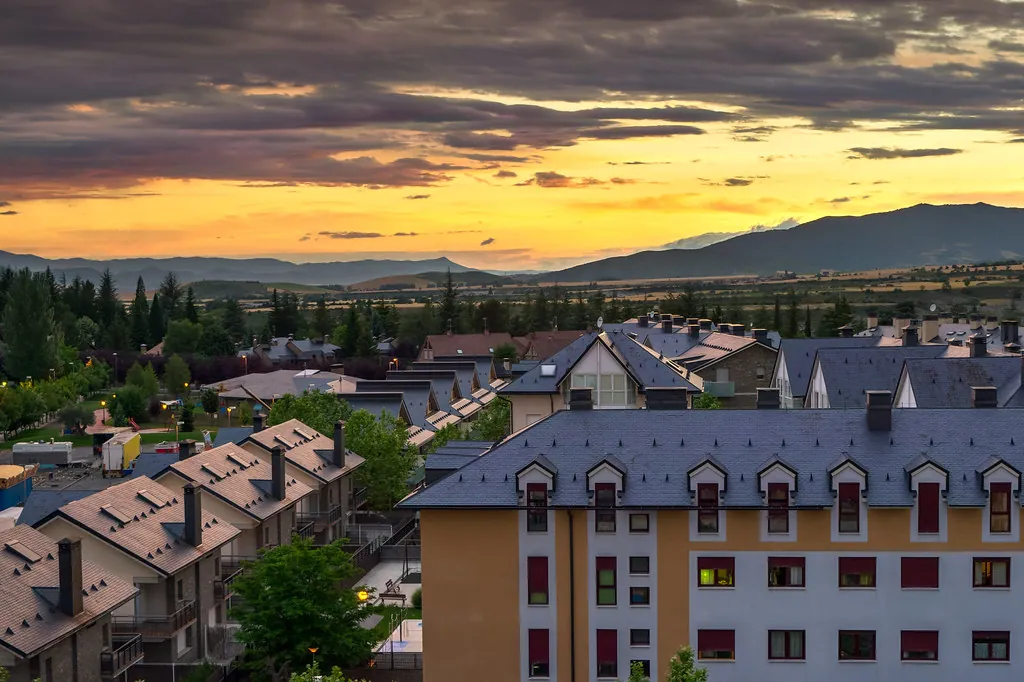
Biel sits at 760 m on a dry ridge between the Jalón and Arba river basins, 80 km north-west of Zaragoza. It belongs to the comarca nicknamed Las Cinco Villas, a scatter of small hill settlements that watched each other’s backs long before Spain was a country. The population today is 178, give or take a birth in Zaragoza hospital, and the census swells only when the almond trees bloom and weekend walkers appear with cameras and sensible boots.
Stone, Sky and Silence
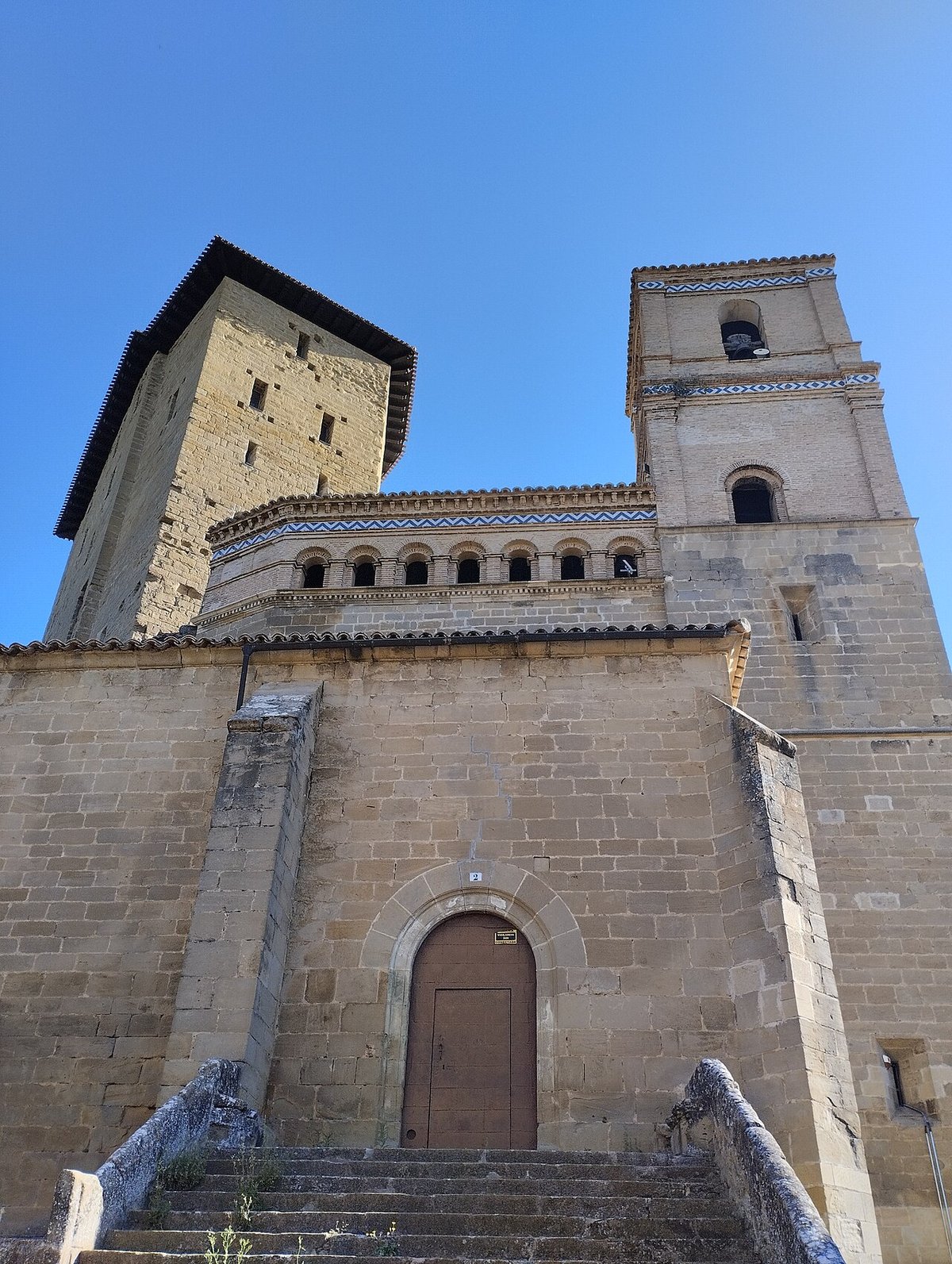
Local limestone determines everything here: the colour of the cottages, the width of the lanes, even the taste of the tap water. Houses grow out of the rock rather than being placed on it, which explains why so many have uneven staircases and mysterious cupboards set into the earth. A short loop walk—twenty minutes if you resist stopping—takes you from the plaza past the sixteenth-century church of San Martín, along Calle Nueva (never wider than a donkey cart) and up to the castle keep. Only the 25-metre curtain wall remains; inside is rubble and a single surviving spiral stair that ends in mid-air. English Heritage would have a field day with risk assessments, but in Aragon a low wire fence and a polite sign are considered sufficient. Climb anyway: the view stretches south across wheat terraces that shift from silver-green in April to the colour of digestive biscuits by July.
Down in the village, former communal washhouses still trickle with spring water. Pensioners fill plastic carafes here rather than pay for the mains supply; the water is cold enough to make teeth ache and tastes faintly of iron. Sit on the surrounding bench and you’ll be greeted within ninety seconds—first with a formal “Buenos días,” then with questions about whether you really think it’s going to rain. Tourism in Biel is low-key because no one has told the residents they’re a sight.
What to Do When Nothing Happens
Biel works best as a place to reset the senses. The GR-90 long-distance footpath skirts the village, linking empty tracks that once delivered grain to the Ebro. A circular hike eastwards drops into the Barranco del Cuco, a ravine haunted by bee-eaters in May, then climbs back through rosemary and white thyme. Total distance: 7 km; total people met: nil. Mountain-bikers can string together farm lanes towards Luna or Farasdués, but should download an offline map—signposts vanish at field boundaries, and farmers rarely see the need to mention that the track ahead turns into a dry riverbed.
Birdlife is plentiful if you surrender ambition. Golden oracles (a local name for orioles) whistle from poplars during spring migration, and booted eagles circle overhead in the thermals. Bring binoculars, a hat, and twice as much water as you think sensible; shade is restricted to single holm oaks and the occasional bus shelter built for the school bus that now comes only on weekdays.
Evening entertainment is self-catered. The social-bar opens three nights a week, sometimes four if Barcelona are on television. Coffee costs €1.20, wine €1.50, and conversation is thrown in free. Close at eleven, stroll fifty metres beyond the streetlights, and the Milky Way reappears in its full motorway glory—no charge, no filter, and rarely a mobile signal to interrupt.
Eating (or Not) in Biel
There is no shop. None. The bakery van calls on Tuesday and Friday mornings; freeze a baguette or you’ll be eating crisps for lunch. Self-catering visitors should stock up in Ejea de los Caballeros, 22 km south on the A-127. Mercadona there sells everything from Manchego to Yorkshire Tea, and the petrol station opposite has the last cash machine before the hills.
If you’d rather be cooked for, drive ten minutes to neighbouring Uncastillo where Casa Lacasa serves roast ternasco (milk-fed lamb) with proper chips and a plate of piquillo peppers for under €20. Mid-week lunches include wine and dessert; the owner’s mother still makes the custard. Vegetarians can survive on migas—fried breadcrumbs with garlic, grapes and the occasional scrap of bacon—but should specify “sin carne” or the chef will assume you’re joking.
When to Come, How to Leave
Spring is the sweet spot: almond blossom in late February, green wheat by April, daytime highs around 18 °C and nights cool enough for the log-burner in the cottage you’ve rented. Autumn runs a close second; stubble fields glow copper and the wind smells of thyme and distant bonfires. Summer is hot—34 °C is normal—and the village empties as families head to the coast you thought you were avoiding. Winter brings a sharp, cloudless cold; snow isn’t guaranteed but the track to the castle turns to slime, and only one house still sells firewood by the wheelbarrow.
You will need a car. There is no railway, no bus, and the nearest taxi firm quotes €95 from Zaragoza-Delicias station. From the UK, fly to Zaragoza with Ryanair from Stansted (Fridays and Mondays), pick up a hire car, and reach Biel in 70 minutes. The final 12 km after the A-127 are winding but paved; ignore Google’s suggestion of a “short-cut” across the river—tractors get stuck there in spring floods.
Accommodation inside the village amounts to three restored cottages booked through Cinco Villas Rural. Expect beams, slate floors, Wi-Fi that works until too many people stream, and a welcome pack of olive oil made from the owner’s trees. Price: €90–€120 a night for two, minimum stay two nights. Alternatives lie 25 km away in Sádaba (Hotel Cienbalcones, pool, bar, €85 B&B) or Ejea (three-star, business-style, €70).
The Catch
Biel is tiny. You can see everything in half a day, and the silence that feels restorative at 10 a.m. can tip into boredom by 4 p.m. if the weather closes in. When the social-bar shuts early, evenings revolve around cards, books, or that download you meant to watch six months ago. Rain turns lanes into runnels; wheelchair access is hopeless; and if you forget to buy milk on Friday you’ll wait until Tuesday. Come prepared, or the village will feel less like escapism and more like mild punishment.
Yet measured against the blare of coastal resorts or the selfie queues in nearby Sos del Rey Católico, Biel offers something Britain lost decades ago: a place where time is told by bells, not notifications, and where the landscape changes faster than the population. Bring supplies, lower the pulse rate, and you may find the most useful thing Spain can still export—an off-switch.