Full Article
about Blesa
Ocultar artículo Leer artículo completo
The church bell strikes noon, yet barely a soul stirs along Blesa's single main street. At 711 metres above sea level, this hamlet of 88 permanent residents keeps its own timetable—one dictated by cereal harvests and the slow rhythm of tractor engines rather than tour buses or timetables.
Blesa sits in the Cuencas Mineras, Teruel's former mining heartland where centuries of coal extraction have left their mark on both landscape and livelihood. Today, the only digging involves farmers turning over ochre soil between rows of wheat and barley. The abandoned workings stand as silent witnesses to an industry that once powered Aragon's economy, their weathered headframes visible as distant silhouettes against the cereal plains.
What the Stones Remember
The village's architecture speaks of practicality over ornamentation. Thick stone walls pierced by diminutive windows keep interiors cool during scorching summers and retain warmth through bitter winters. Arabic tiles crown simple dwellings, their terracotta hues echoing the iron-rich earth beneath. Local mampostería—rough stone masonry built without elaborate coursing—creates textured facades that photographers might dismiss as ordinary, yet documentarians prize for their authenticity.
The parish church anchors the settlement without architectural grandstanding. Its modest proportions reflect a community that invested faith in function rather than flourish. Step inside during late afternoon and you'll catch slanted sunlight filtering through plain glass, illuminating walls that have witnessed baptisms, marriages and funerals spanning generations of Blesanos who either remained to work the land or departed for Barcelona and Zaragoza.
Wandering the narrow lanes reveals telling details: wooden doors weathered to silver-grey, their ironwork hand-forged by local blacksmiths; stone water troughs now filled with flowering succulents rather than livestock; communal washing areas where elderly women once scrubbed clothes whilst exchanging weekly gossip. These elements form an open-air museum of rural Spanish life, though no admission charges or gift shops intrude upon the experience.
Walking Through Aragon's Breadbasket
The surrounding countryside offers gentle walking rather than dramatic hiking. Farm tracks radiate outward, connecting Blesa to neighbouring hamlets like Montalbán and Ojos Negros—names that resonate with Britain's own industrial heritage, though here they reference Spain's railway and mining past rather than Derbyshire countryside.
Spring brings the most rewarding rambles, when wheat shoots create verdant tapestries rippling in the cierzo wind that sweeps down from the Moncayo massif. Autumn paints the landscape in burnished golds and rust browns, whilst winter strips everything back to reveal the subtle topography of dry riverbeds and erosion gullies that drain towards the distant Ebro basin.
The GR-24 long-distance footpath passes within 8 kilometres, though few international trekkers venture this far south of the Pyrenees. Those who do find themselves sharing dusty tracks with combine harvesters rather than fellow hikers, exchanging buenos días with farmers who regard strangers with reserved curiosity rather than commercial enthusiasm.
The Reality of Rural Dining
Food presents the greatest challenge for visitors. Blesa offers no restaurants, cafés or indeed any commercial food outlets. The single village shop operates irregular hours, stocking basics like tinned tomatoes, dried beans and local olive oil. Planning becomes essential: either self-cater using Teruel's supermarkets before arrival, or drive 25 minutes to Montalbán where Bar El Cruce serves robust ternasco—milk-fed lamb roasted until the exterior crackles whilst interior flesh remains rose-pink.
This gastronomic absence stems from demographic reality rather than oversight. With fewer than ninety residents, many elderly, there's simply insufficient demand to sustain a restaurant. Local specialities survive within family kitchens: migas aragonesas—fried breadcrumbs studded with garlic and chorizo; gazpacho aragonés (distinct from Andalusian soup, this features game and vegetables in rich broth); and longaniza de Graus, cured pork sausage seasoned with mountain herbs.
When to Time Your Visit
Access remains straightforward year-round via the A-2512 from Teruel, though winter weather can transform this normally reliable route. Snow falls infrequently but when it does, the 50-kilometre journey becomes treacherous for those unfamiliar with Spanish rural driving conditions. Spring and autumn provide optimum conditions: mild temperatures averaging 18°C, clear skies offering views across the Iberian plateau, and sufficient daylight for countryside exploration.
Summer brings fierce heat—temperatures regularly exceed 35°C by midday—yet rewards early risers with luminous dawn light across the cereal plains. Accommodation options within Blesa itself remain non-existent; the nearest hospitable beds lie 15 kilometres distant in the slightly larger village of La Puebla de Híjar, where Casa Rural el Molino offers three simply furnished rooms from €45 nightly.
The Quiet Persistence of Place
Blesa represents Spain that package holidays forgot—not through deliberate obscurity but simply because it was never designed for visitors. This constitutes both its appeal and its limitation. Come seeking Instagram moments or boutique experiences and you'll depart disappointed. Arrive prepared to observe rural rhythms, converse with octogenarians who remember life under Franco's dictatorship, and witness how contemporary Spain grapples with rural depopulation, and Blesa offers rare authenticity.
The village's future hangs in delicate balance. Young people continue migrating towards coastal cities where employment prospects outweigh quality of life considerations. Yet recent newcomers—artists priced out of Barcelona, remote workers seeking affordable tranquillity—inject cautious optimism. Whether Blesa evolves into weekend-home territory or maintains its agricultural identity remains uncertain.
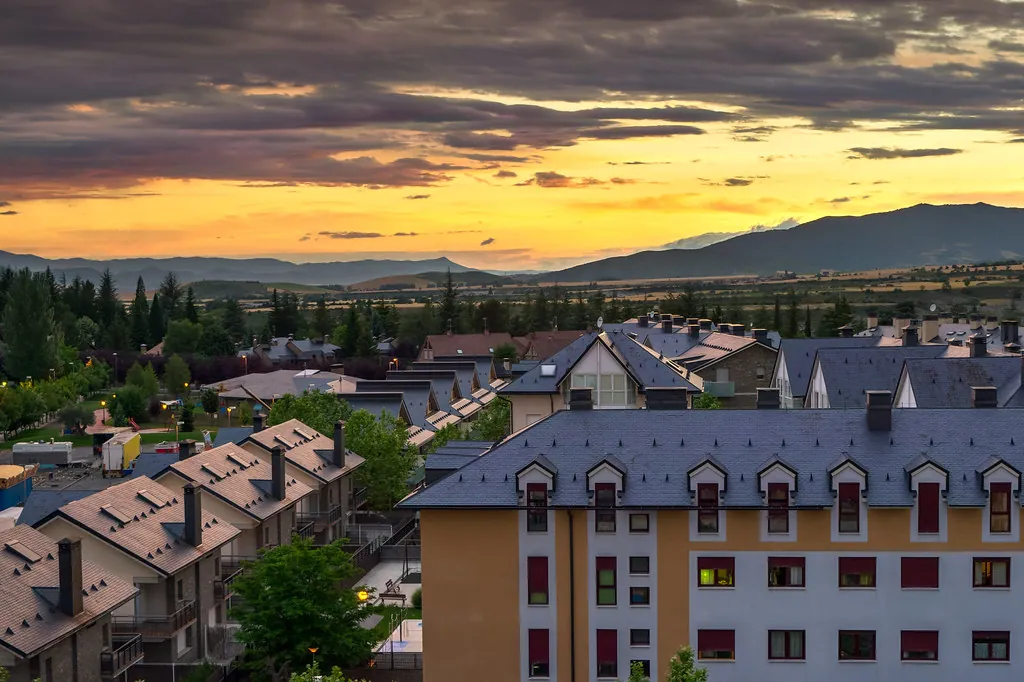
What endures is the landscape itself: those endless cereal fields that sustained Romans, Moors and Christian kingdoms before Spain existed as a concept. Standing atop the low hill overlooking Blesa at sunset, watching shadows stretch across terrain that has fed generations, you understand why some villagers never left despite hardship, isolation and economic uncertainty. The view alone makes a compelling case for staying put—though you'll need to bring your own sandwiches whilst appreciating it.