Full Article
about Boquineni
Ocultar artículo Leer artículo completo
The church bell strikes noon and every dog in Boquiñeni starts barking at once. Not the frantic yaps of city terraces, but the lazy, half-interested woofs of animals who know the postman isn’t due for another three hours. From the bench outside the only bar, you can watch the whole scene: a farmer in mud-caked slippers shuffling across the plaza with a newspaper tucked under his arm, two elderly women comparing aubergines at the back of a dusty hatchback, and swifts slicing the air above the 16th-century tower of San Miguel Arcángel. Somewhere behind the stone houses a cockerel is still crowing, even though lunch-time in Aragon is measured by wine glasses, not sun dials.
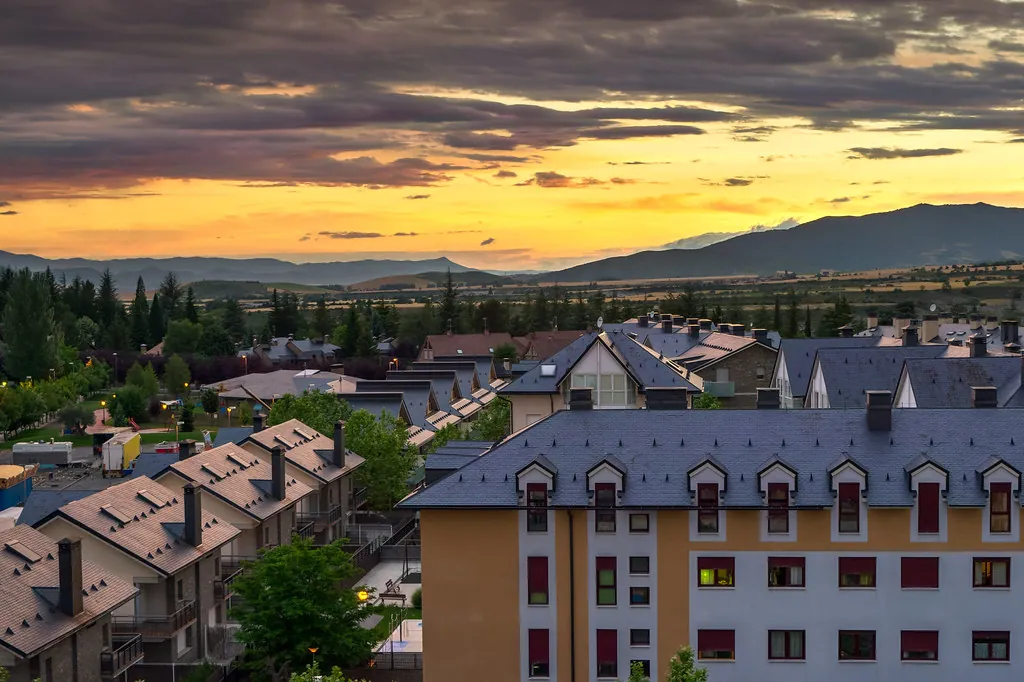
At 227 metres above sea level Boquiñeni isn’t high enough to call itself a mountain village, yet the land rises fast enough to the north that the air here carries a river-plain softness. The Ebro slides past four kilometres away, irrigation channels fanning out like loose knitting, turning the surrounding soil into a chessboard of market gardens and peach orchards. The effect is a micro-climate: mornings can be misty until April, afternoons still enough for butterflies, and summer nights warm enough to sit outside until the bar owner starts stacking chairs. Frost is rare; mosquitoes are not. Bring repellent in July and August or the locals will laugh while you scratch.
Mudéjar brick and vegetable plots
Start with the tower. San Miguel’s brickwork is classic Aragon mudéjar: red clay laid in geometric straps, a minaret that became a bell tower when the town reconquered itself from the Moors. Inside, the nave is unexpectedly wide, the columns painted a faded ox-blood, the baroque retablo glinting with gold leaf that candle smoke has dulled since 1732. No one will charge you to enter; the door is simply open until the priest locks it at dusk. Donations sit in an ashtray-sized box that rattles like a maraca when the occasional coin drops in.
From the church steps three streets radiate, all leading within five minutes to vegetable plots. Tomatoes climb bamboo wigwams, lettuces edge the pavements like green gravel, and every gate seems to sprout a clutch of plastic bottles converted into drip feeders. The houses themselves are built from local sandstone the colour of digestive biscuits; wooden balconies sag just enough to show their age, but geraniums hide the worst cracks. Peek through an open doorway and you’ll see the internal patio formula repeated: well, vine, washing line, canary in cage, motorbike under tarpaulin. It is domestic theatre with the lights permanently up.
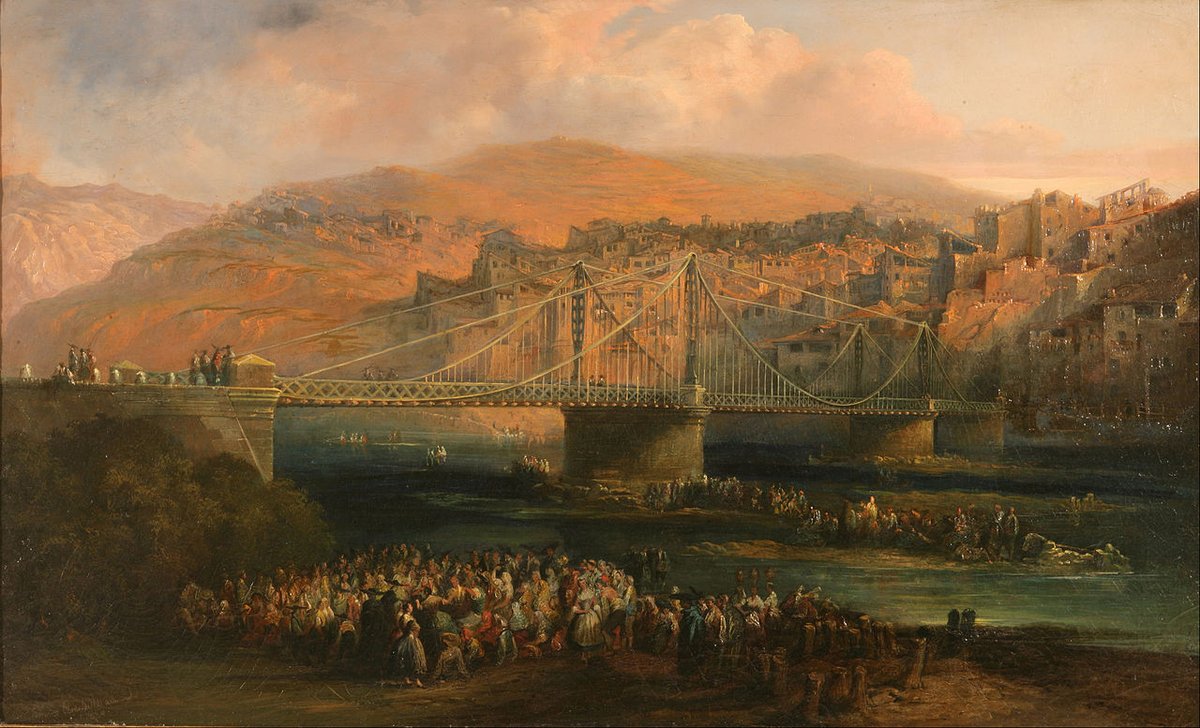
The Town Hall, rebuilt in 1920 after the river burst its banks, is pure small-town confidence: a first-floor balcony big enough for two councillors shoulder-to-shoulder, a clock that loses four minutes every week, and a plaque listing every mayor since 1840. The current incumbent doubles as the owner of the agricultural co-op; his office hours are scribbled on a card thumb-tacked to the door. If you want stamps, the woman who sells them works in the bakery opposite – buy a bag of mollete rolls while you’re there; they cost €1.20 for six and stay fresh long enough for a picnic the next day.
Flat pedals and river reflections
Boquiñeni sits on a lattice of farm tracks that cyclists treat as personal motorways. Head south on the CV-404 and within ten minutes you’re among peach orchards; the fruit hangs so low you can brake, pick, and pedal on without putting a foot down. The gradients are negligible – this is cereal-belt country – so a hybrid bike suffices; hire one in Zaragoza for €18 a day and bring two water bottles because fountains are seasonal. The signed circular route to neighboring Pina de Ebro is 24 km; allow two hours if you stop to photograph the ruined lock keeper’s house where the old canal breaches.
Walkers can follow the irrigation ditch called the Canal de Tauste westwards towards a ridge of low hills. The path is a grassy lane wide enough for a tractor; at kilometre three you pass a stone cross erected in 1902 after a flash flood drowned five harvesters. Beyond that the trail narrows, climbing 120 m to a limestone bluff known locally as El Castillo – nothing remains except foundation stones and a view that stretches south to the Moncayo massif on clear days. Allow ninety minutes return; wear shoes you don’t mind whitening with dry earth.
Lentils, lamb and the politics of peppers
The only restaurant in the village opens at 14:00 sharp, closed Tuesday and whenever the cook’s grandchildren visit. The menu is printed on a single sheet laminated in 1998: judías blancas con almejas arrive in a bowl big enough for two, the beans soft and the clams tasting of river not sea. Follow with ternasco – milk-fed lamb shoulder roasted until the rim of fat turns to caramel – and you’ll spend €22 including house wine that comes in a plain glass bottle refilled from a 1,000-litre plastic drum behind the bar. Vegetarians get a plate of pisto (ratatouille under a fried egg) and lectures about vitamin B12 from the owner.
If you’re self-catering, the co-op store sells local lentils labelled simply “de la vega” at €2.40 a kilo. Ask for ñora peppers and the assistant will rummage in a cardboard box under the counter; these dried, sweet fruits are the base of chilindrón sauce, the regional gravy that smothers everything from chicken to hake. A small packet costs under a euro and fits into a suitcase pocket; declare it at customs if you’re feeling honest.
Fiestas, floods and the exodus home
The third weekend of September is when the town doubles in size. Former residents who left for Barcelona or Zaragoza in the 1960s return to honour San Miguel; grandmothers reserve pew space with lace-edged handkerchiefs, teenage great-grandchildren sneak off to the fairground bumper cars erected on the football pitch. Saturday night ends with a firework castle that leans alarmingly in the breeze; Sunday morning starts with a procession of the saint’s statue, carried by eight men in velvet robes who negotiate the church door with the millimetric caution of removal men wedging a sofa upstairs. If you want to sleep, book a room in nearby Gallur – the band plays until 04:00.
August’s summer fiestas are tamer: open-air verbenas where the local brass band segues from pasodoble to Bruce Springsteen without warning, and children chase each other between tables loaded with sliced watermelon. The river rarely features in celebrations; the 1930 flood is still within living memory and older residents eye storm clouds with the suspicion of people who have seen water reach first-floor windows.
Getting here, staying over, knowing when to leave
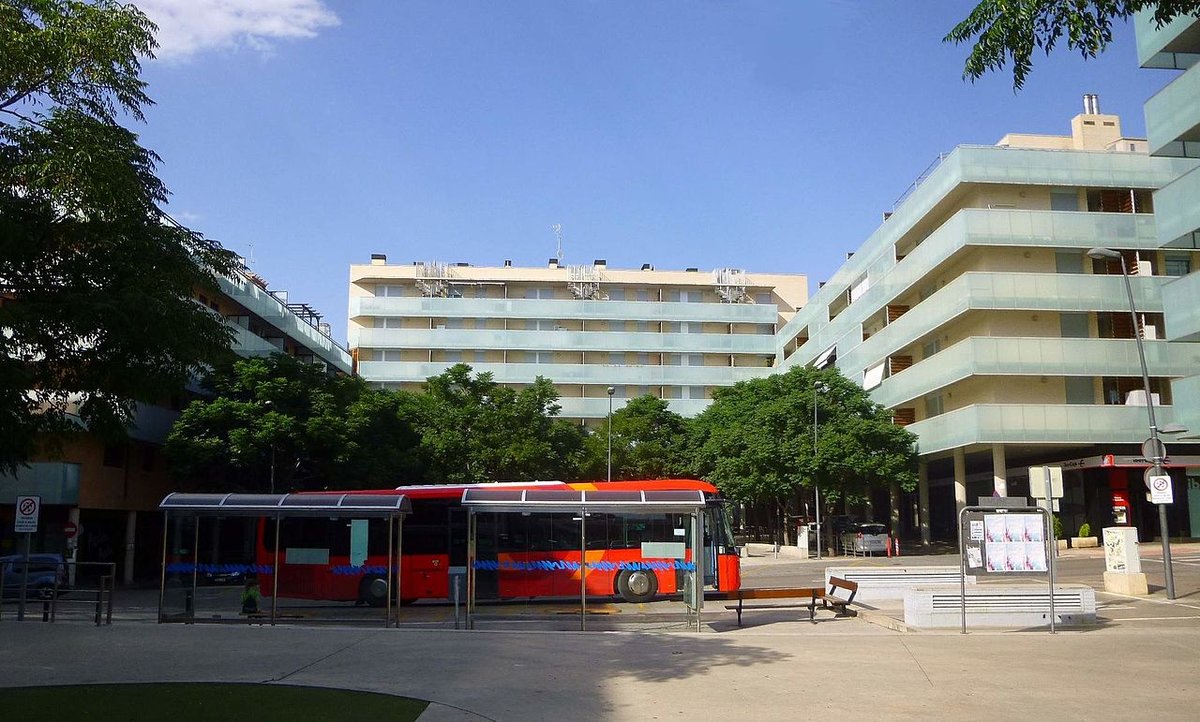
Boquiñeni lies 38 km south-west of Zaragoza. There is no railway; buses leave Estación Delicias at 07:45 and 18:15, take 55 minutes and cost €4.10. A hire car is faster: take the A-68 towards Logroño, exit 19, then follow the N-232 for seven minutes. Petrol stations are scarce once you leave the motorway; fill up beforehand.
Accommodation is limited. One rural house – Casa Rural El Cerco – has three doubles and a small pool, week-night rate €70 including toast-and-coffee breakfast. Owners Pilar and José speak enough English to explain how the pellet stove works; they’ll also lend you bikes if you ask the night before. Alternative bases are in nearby villages: Alagón has a three-star hotel with Wi-Fi that actually reaches the bedrooms; Pina de Ebro offers a hostel overlooking the river for €25 a bed.
Stay two nights and you’ll have walked every street by the second morning. Stay three and you’ll start recognising dogs by name. The secret is to treat Boquiñeni as a comma, not a full stop: pair it with a night in Zaragoza’s tapa district, or en-route to the monasteries of Veruela and Piedra where monks once distilled liqueurs in desert canyons. Arrive expecting a living museum and you’ll leave disappointed; arrive prepared to slow your pulse to irrigation-clock speed and the village repays you with details: the smell of fresh-dug onions at dawn, the way swallows stitch the sky above the tower, the taste of a pepper sauce whose recipe travelled with shepherds and came home to roost beside the Ebro.