Full Article
about Borau
Ocultar artículo Leer artículo completo
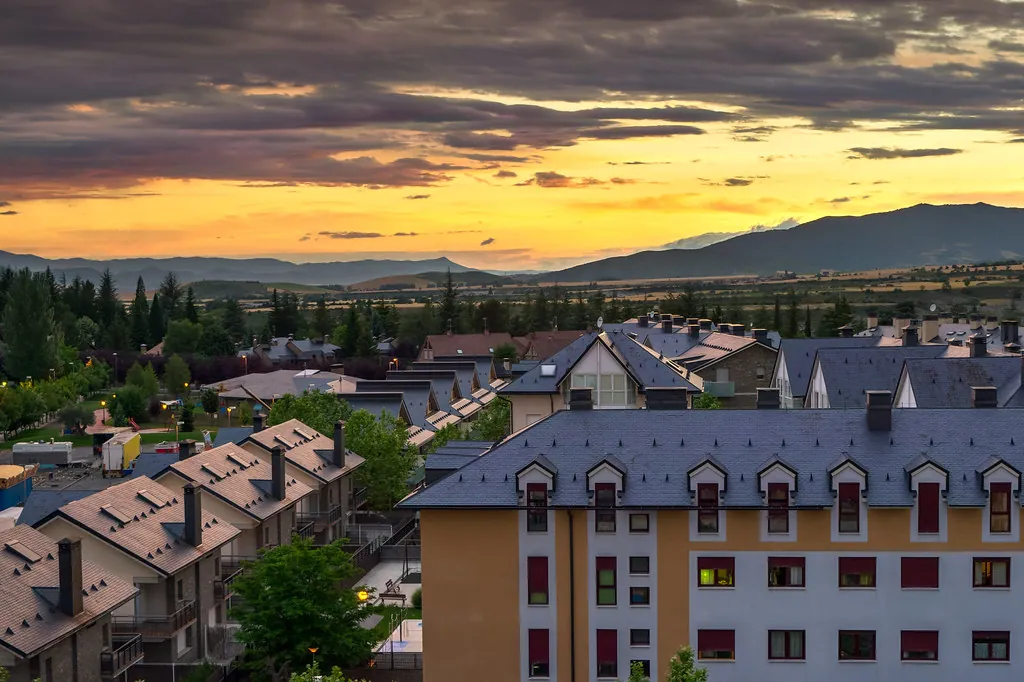
The church bell tolls eleven and every slate roof in Borau catches the note, sending it back across the valley like an echo that forgot to leave. Ninety residents, one grocery-café, no cash machine, and a road that stops climbing only when the beech forest refuses to move aside—this is the Jacetania at its most matter-of-fact.
Stone houses shoulder the lane so tightly that passing cars fold their mirrors in. At 1,008 m the air is thinner than coastal Spain, and the village gradient soon exposes anyone who skipped the gym. A Yorkshire couple on the next table admit they planned a “gentle potter” before discovering the only level stretch is the 20 m shelf outside the fronton court. They traded boots for walking poles by day two.
The built Spain of package brochures never reached here. Television aerials sprout like black sticks from chimneys; a 4×4 parked on a cobbled ramp looks ready to graze in the meadow below. The parish church of San Pedro keeps watch from the upper ridge, its square tower a navigation point for hikers who lose the signed path in late-afternoon cloud. Inside, a single bulb swings over pews polished by centuries of Sunday coats; the priest arrives from Jaca only when the diary allows.
Walkers arrive for the Senda del Estarrún, a soft river trail that leaves the village southwards, and for tougher loops that climb to summer pastures called bordas. Ruined stone huts mark where families once spent June to September making cheese and ignoring Madrid’s politics. Go a little higher and the horizon cracks open: the ridge of the Pyrenean cordillera runs like a broken saw, still white well into May. British Ordnance Survey habits die hard—people try to name summits and end up inventing their own. The local map sells for €6 in the grocery and is worth every cent when the fog drops.
Spring brings every shade of green the human eye can register; by August the slopes turn straw-pale and the valley smells of sun-baked pine. October is the photographers’ month, when beech woods catch fire without flames: ochre, copper and a red that would make a Dartmoor oak jealous. Winter narrows life to the width of a wood-burner. Snow seldom blocks the access road for more than a day, but ice turns the final hairpins into a toboggan run. Chains live in boots, not boots in chains, and the village empties further when the first real dump arrives. If you want postcard hush, February supplies it—along with the realisation that the nearest 24-hour petrol pump is 25 km away on the A-23.
Food is mountain logic: what the ground or the flock provides. Ternasco de Aragón, milk-fed lamb roasted whole, arrives with chips on request for Brits who blink at the more accurate accompaniment of roasted padron peppers. Cordero al chilindrón offers a gentler, tomato-peppery stew that tastes like Sunday lunch if your oven came with a view of France. Casa Gómez, a dairy barn turned cheesery in Jasa twenty minutes down-valley, sells a goat’s cheese mild enough for children who think Boursin is adventurous. The village café stocks it on Fridays; other days you eat what María has thawed. Vegetarians negotiate: tortilla, salad, bread rubbed with tomato and not much apology. Pudding is usually an apple from the tree out back.
There is no fixed menu of “experiences”. You walk, read, eavesdrop on the irrigation arguments of old men, or drive 19 km to Jaca for a cinema that shows one film a week. Evenings are lit by the Milky Way rather than municipal bulbs; Vodafone UK flickers between one bar and none, so WhatsApp widows are forced back into conversation. Bring cash—Spanish cards only in the shop, and the ATM in Villanúa swallows UK chips on a whim. Fill the tank before the final climb; the fuel gauge becomes a nervous twitch on day trips to the Ordesa canyons.
Fiestas happen when enough second-home owners return. The main act clusters around the last weekend of August: mass in the morning, communal rice in the square at three, a five-a-side tournament on the fronton, and dancing that finishes when the generator runs out of diesel. A British couple who bought a ruin in 2019 were invited to stir the paella pan; they still talk about the moment 200 Spanish neighbours applauded their stirring technique. Winter keeps its celebrations low: a street bonfire for San Antonio in January, processions that fit into two 4×4s, and a roscón cake sliced with the same knife used to cut fodder string.
Logistics reward the organised. Ryanair from Stansted to Zaragoza drops fares below £50 return when the schools are in; the drive north-west is 1 hr 45 min on the A-23, past wind farms and sudden castles. Hire cars must be booked early at the airport kiosk—weekend demand from Madrid skiers surprises nobody except the British. Trains reach Jaca from the capital, but the onward bus to Borau operates Monday to Friday and turns into a pumpkin after 18:00. Miss it and a taxi costs €35, assuming the driver can be persuaded to leave the tapas bar.
What you don’t get is as important as what you do. No souvenir stalls, no craft beer, no Sunday Times supplement styling. Instead, Borau offers the sound of your own pulse at altitude, stone that has outlasted every civil war, and a night sky so clear you’ll invent constellions just to have someone to blame for the vertigo. Pack knee supports, a paperback you don’t mind finishing, and enough euros to cover María’s honesty box. After that, the only thing left to do is listen when the bell tolls—because the mountain always answers.