Full Article
about Botorrita
Ocultar artículo Leer artículo completo
A Plain That Whispers in Dead Languages
The road south-west from Zaragoza unbuttons the Ebro valley like a shirt: first the city’s edge-of-town DIY sheds, then the polígonos, then nothing but wheat and sky. At kilometre 25 the horizon tilts a metre or two and you are in Botorrita, population 500, elevation 394 m, where the loudest sound is usually a lorry tyre humming on the A-23. Look left and the cabezo – a low, copper-coloured hill – betrays the secret: beneath the barley lies Contrebia Belaisca, a Celtiberian city that once minted its own coins and, more unusually, wrote its own receipts.
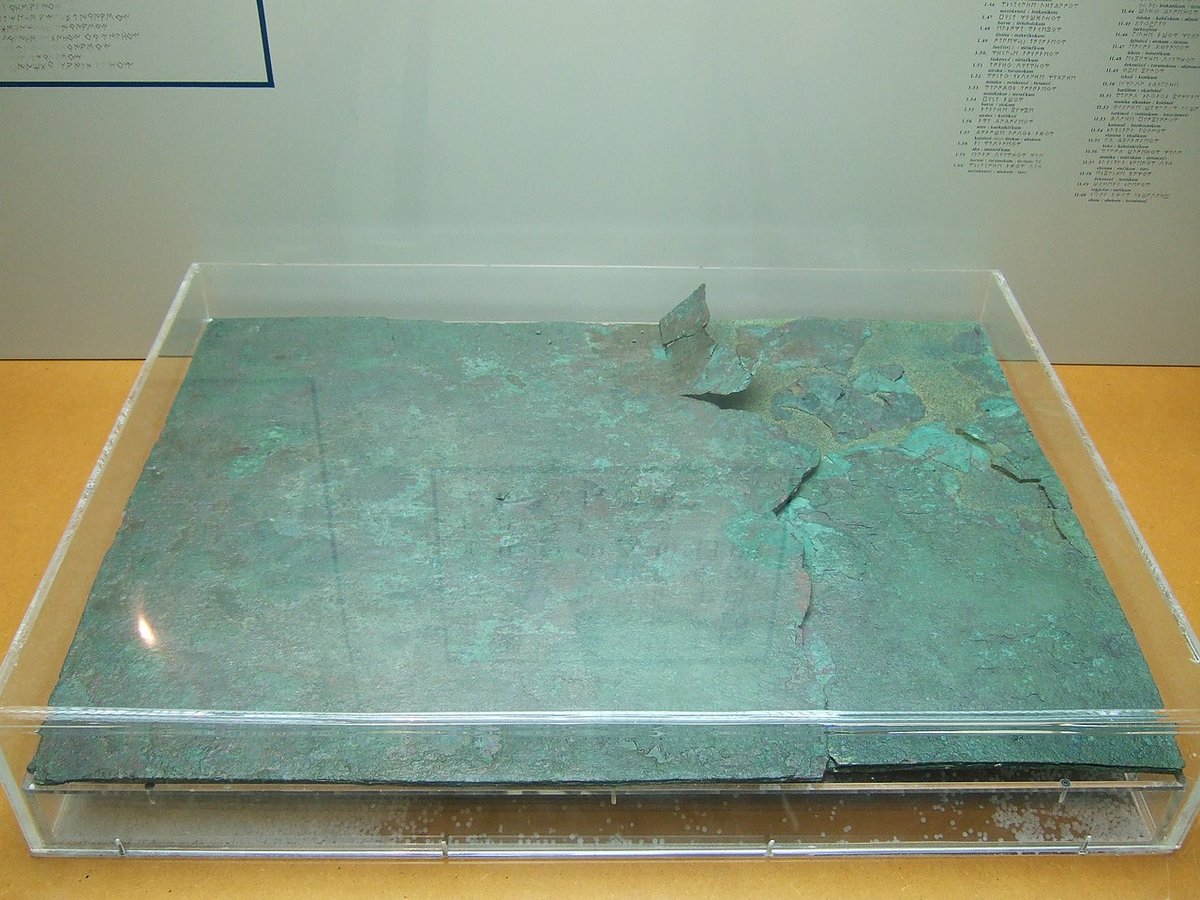
The Bronces de Botorrita, four sheets of bronze hammered with legal texts in a half-understood Iberian dialect, are the village’s CV. The originals sit in Zaragoza’s provincial museum, but the village has kept the hole they were yanked from in 1972. Peer over the fence on the Cabezo de las Minas and you can still see the grid of walls and alleys where the metal lay folded like sandwich wrappers for two millennia. Interpretation panels show reconstructions; swallows show their own aerial version, nesting in the mud-mortar.
How to Walk Through a Lawsuit
A 2 km loop starts at the Aula Arqueológica, squeezed into the old primary school opposite the bakery. Inside, a glass case holds a replica of Bronze IV, the longest known text in Celtiberian – essentially a boundary dispute between local tribes, complete with curses for anyone who moves the stones. The curator, when present, will play a two-minute audio that makes the language sound like Spanish being spoken through a sock; she will also point out that the bronze contains the first written mention of a “market day” on the Iberian peninsula, proving that bureaucracy was already the regional sport.
From the door, follow the dirt track past the irrigation pond; the hill rears up like a loaf left too long in the oven. The path is easy, trainers suffice, but the final 50 m are loose shale – walking poles overkill, dignity useful. At the summit the village shrinks to a handful of terracotta roofs and the plain ripples away in browns and chalky greens. On clear days the Pyrenees float on the horizon like a badly hung photograph; on hazy days the cereal dust gives the light the colour of weak tea.
The ruins themselves are knee-high. You are looking at foundation pads, not Disney turrets: a street 1.8 m wide, a drainage channel, the base of a temple later recycled by the Romans for a temple to the same gods with better PR. Take the leaflet; without it the site is simply a confusing set of low walls. With it, you can stand where a bronze plaque once listed the price of a goat (three silver halves, if you are bargaining).
Bread, Lamb and Early Nights
Back in the grid of four streets, the only bar open outside fiestas is Casa Pacos, whose opening hours obey lunar logic. If the metal shutter is up, order a coffee with milk and a slab of torta de chicharrones – pork crackling pressed into pastry, 1.20 € a slice. The owner keeps the bronze inscription as a place-mat photocopy; locals will tell you, between crumbs, that the council once tried to trademark the phrase “Buy me, I am Celtiberian” for souvenir T-shirts. The project died for lack of tourists.
Meals follow the agricultural calendar. In late April the espárragos from the banks of the Ebro appear, served scrambled with egg. June brings borrajas, a green that tastes like cucumber meeting spinach; it is fried with garlic and appears on every table whether you ask or not. Lamb is roasted whole in wood-fired bread ovens on Sunday mornings; the smell drifts out at eleven and is usually gone by two, so timing matters more than TripAdvisor. Vegetarians survive on migas – fried breadcrumbs with grapes – and the knowledge that dessert will be almond-based and therefore safe.
Evening options are limited. Street-lighting is efficient but philosophical: the place switches off at 00:30 sharp. If you are staying overnight, bring a book or a sky-map; light pollution is negligible and the Milky Way looks like someone spilled sugar on slate.
When to Come, How to Leave
Spring and autumn offer colour without furnace temperatures. In mid-April the almond blossom is finished but the wheat is still bright enough to photograph; by late October the stubble fields glow like low-budget savannah. Mid-summer is scorching – 38 °C is routine – and the walking path closes at 13:00 to stop heat-struck visitors adding themselves to the archaeological record. Winter is mild, rarely below –2 °C, but the wind that scours the plain can make an hour on the cabezo feel like a tutorial in medieval penance.
There is no railway, no bus, and the nearest taxi rank is at Zaragoza airport. Hire cars start at £22 a day if booked ahead; the drive is 25 minutes on the A-23, exit 299, then follow the brown sign that simply says “Yacimiento”. Petrol is cheaper than in the UK but motorway service stations sell overpriced sandwiches – better to stock up in Zaragoza’s Central Market before leaving. Mobile coverage is 4G on the hill, patchy in the village centre; download offline maps.
Accommodation is non-existent in Botorrita itself. Most visitors base themselves in Zaragoza: Hotel Pilar Plaza (£41, solid breakfast, five minutes’ walk from the basilica) or Hotel Diagonal Plaza (£51, free airport shuttle, handy for early flights). The road back to the city is well-lit and usually empty after 21:00, but Spanish drivers treat the inside lane as decorative, so keep right unless overtaking.
A Village That Prefers Questions to Answers
Botorrita will never crowd-source its way onto a “Top Ten” list. The gift shop is the size of a cupboard, the audio-guide has two buttons, and the bronze replicas cost more than the real metal did two thousand years ago. That is the deal: you get space, silence, and the right to stand on a hill where people once argued about property lines in a language no one now speaks fluently. Bring curiosity, water, and a sense of proportion. The plain will supply the rest.