Full Article
about Brea de Aragon
Ocultar artículo Leer artículo completo
The church bell strikes two, and the only reply is the clatter of a single fork against a china plate. In Brea de Aragón’s Plaza Mayor, the waiter at Café Avenida is clearing the last of the chuletón bones while his colleague rolls down the awning. By 14:45 the square is empty, the temperature nudging 36 °C, and the town has simply switched off until dusk. If you arrive expecting souvenir stalls or multilingual menus, you’ve taken a wrong turn somewhere between Zaragoza and Madrid.
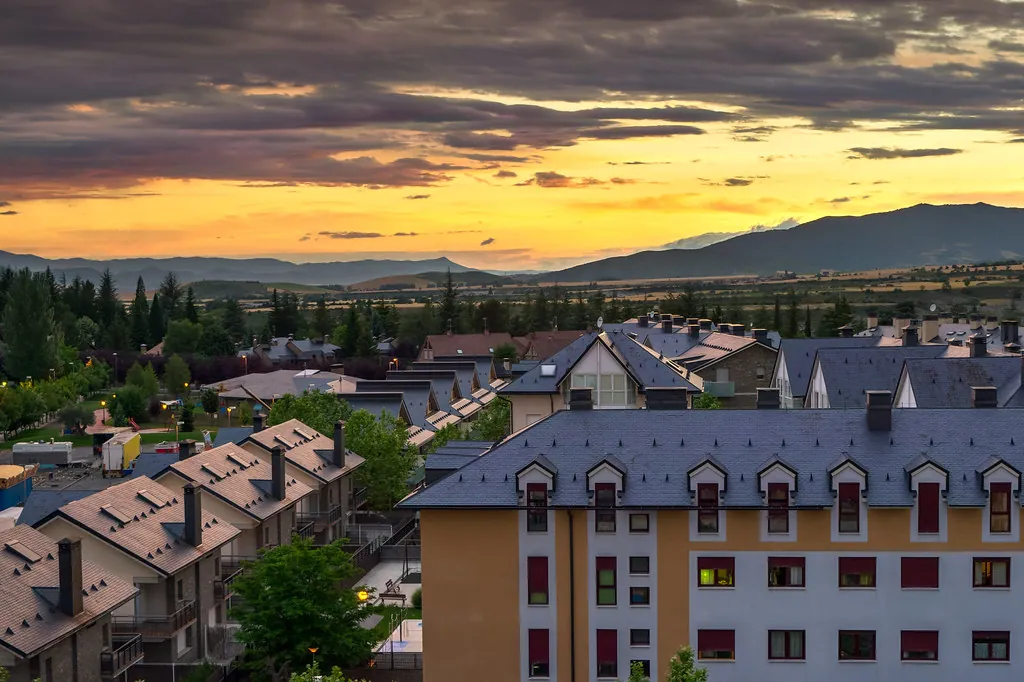
At 553 m above sea level, Brea sits on the dry, wheat-coloured shoulder of the Jalón valley, 65 km south-west of Zaragoza. The surrounding hills look like sleeping brown animals; in April they’re flecked green with cereal shoots, by July they’re bleached the colour of toast. This is farming country first, tourism nowhere. The 1,500 inhabitants still measure distance in “how long it takes to hoe a row” and treat visitors with the slow curiosity reserved for someone’s second cousin twice removed.
What passes for a centre
The original medieval core vanished in the 1970s when the town hall, flush with agricultural subsidies, replaced warped timber with concrete balconies and flat roofs. Purists call it a carbuncle; locals call it home. What survives is the tower of the Assumption church, a brick-and-mudéjar spike that pokes above the rooftops like a warning flag. Inside, the air smells of candle wax and floor polish; a 14th-century wooden Virgin surveys the nave with the faintly bored expression of someone who has seen five centuries of small-town gossip come and go. There are no ropes, no audio guides, no donation box shaped like a credit-card reader. If the door is locked, knock at the presbytery house; the sacristan will wipe his hands on a tea towel and let you in for nothing.
Below the tower, Calle Mayor is a five-minute shuffle from end to end. The butcher sells morcilla the diameter of a Coke can; the bakery turns out tortas de aceite so thin you could read the Heraldo de Aragón through them. Only one shop stays open through siesta: the petrol station, which doubles as off-licence, toy shop and informal bank. If the solitary ATM outside the ayuntamiento is out of order – and it will be – the cashier can advance you up to fifty euros with a purchase of diesel, crisps or both.
Lunch, or why you need to reset your watch
Spanish timings are not a quaint theory here; they are municipal law. Kitchens close at 15:30 sharp. Arrive at 15:35 and you will be offered a packet of crisps and a lukewarm estrella. The three functioning restaurants all face the same square, so competition is expressed through portion size rather than price. At Avenida Sport & Tapas a chuletón for two weighs in just under a kilo, costs €28 and arrives on a wooden board the size of a pram lid. Ask for it “en su punto” and the chef will oblige; ask for it well-done and he will pretend not to understand English, which is fair because he actually doesn’t. House red comes in a glass rinsed with tap water – don’t flinch, it’s part of the ritual – and costs less than the Guardian on a Saturday.
Vegetarians should lower expectations: the set menu del día is lamb, eggs, or lamb with eggs. Coeliacs will discover that wheat is considered a food group, not an ingredient. On the upside, everything is cooked yesterday, reheated today, and tastes better than it has any right to.
Walking it off (or not)
The tourist literature talks up the Sendero del Barranco de la Hoz, a 7 km loop that cuts through limestone cliffs and abandoned threshing floors. The reality is a dusty track that starts where the pavement ends, signed with a painted stone and a notice threatening fines for “non-authorized mushroom picking”. Go early: by 11:00 the sun has the texture of a hair-dryer and the only shade belongs to a tethered goat. Stout shoes are advisable, water essential, and a stick useful for discouraging the village dogs who treat the path as their personal A-road.
Cyclists will find quiet but lumpy roads. The N-234 to Calatayud has a shoulder wide enough for a supermarket trolley and no barrier; locals drive as though auditioning for Rally de España. Better to head north on the farm lane towards Mainar, where traffic consists of the occasional tractor and the aroma of wild thyme.
When to bother, and when not to
April and late-September are the sweet spots: mid-twenties by day, cool enough at night to justify the fleece you optimistically packed. In May the fields turn emerald and the town throws a modest fiesta for the Virgen de la Asunción: one evening of fireworks, two of communal paella, and a brass band that has clearly practised in someone’s garage. October brings the vendimia; if you ask at the ayuntamiento they will direct you to a cooperative near Mallén where you can stick your finger in the fermentation tank and pretend you understand tannins.
August is a furnace. The thermometer nudges 40 °C, the cicadas sound like faulty electricity, and even the dogs siesta. Come then only if your car air-conditioning is surgical-grade and you enjoy the smell of hot pine needles. January is the opposite: the wind whips across the plateau, most bars close for the month, and the only entertainment is watching the town’s three resident storks balance on the church tower like elderly Brits on a cruise railing.
Spending the night (or sensibly, not)
Accommodation is limited to two hostales and one three-star hotel that behaves as though it is two-star on its days off. Rooms are clean, mattresses unyielding, and Wi-Fi reminiscent of 2003. Double rates hover around €55 including breakfast – toast, industrial jam, and coffee that tastes of burnt toast. A smarter move is to time your visit between Zaragoza and Madrid, lunch here, walk the gorge, then push on to Calatayud where the chain hotels have lifts and pillows you don’t have to fold in half.
Parting shot
Brea de Aragón will not change your life. It will not trend on Instagram, and nobody will ask for the postcode of that darling little plaza. What it offers is a calibration exercise: a place where the till still rings mechanically, the barman remembers how you took your coffee yesterday, and the evening entertainment is arguing about whether the storks will return before Semana Santa. Drive in, order the lamb, drink the €2 wine, and leave before the church bell reminds you that somewhere, in a hurry you can’t quite recall, silence costs extra.