Full Article
about Cadrete
Ocultar artículo Leer artículo completo
The morning train from Zaragoza pulls in at 304 metres above sea level, and something shifts. Cadrete's station might be just fifteen minutes from the capital, but the air carries less diesel, more dust. Locals step off with the unhurried pace of people who've traded city centre rents for garden plots and village house prices that haven't topped €150,000 in years.
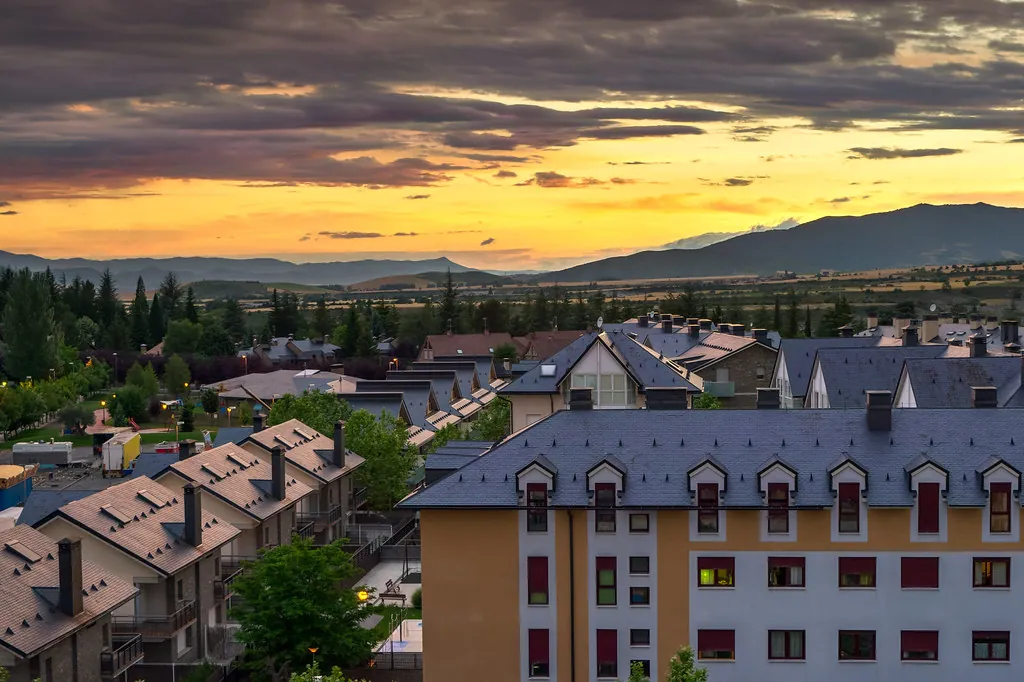
This is commuter country, Aragon-style. The village spreads across a low ridge above the Huerva river, its medieval core clinging to higher ground while newer streets sprawl towards the main road. You notice the difference immediately: the centre moves to agricultural time, the outskirts to office hours. Same village, two clocks running.
Castle Views and Mudéjar Towers
The climb to Cadrete's castle starts from Plaza de España and takes twelve minutes if you're fit, twenty if you're stopping to read the information panels. Muslim builders chose the site in the 11th century, and they knew their terrain. From the battlements, the Huerva valley spreads north towards Zaragoza like a brown-green patchwork, irrigation channels glinting where vegetable plots survive against housing pressure.
The fortress itself is more silhouette than substance - walls remain, but interior chambers have weathered into rough stone. What saves it from ruin-porn tedium is the approach path, which winds past prickly pear and rosemary before depositing you at a viewpoint where vultures ride thermals above the Ebro basin. Come at sunset when the sandstone glows orange and photographers from Zaragoza gather with tripods and telephoto lenses.
Back in the village centre, the Church of San Miguel demands attention for its tower alone. Mudéjar brickwork wraps the structure in geometric patterns that caught Moorish craftsmen adapting Christian requirements. Inside, the retablos display that particular Aragonese baroque where gold leaf competes with polychrome saints for visual supremacy. The church keeps irregular hours - if it's locked, try the tobacconist opposite; she keeps a key for visitors who ask politely.
Between River and Ridge
Cadrete's agricultural past hasn't entirely vanished. Follow Calle San Antonio past the last houses and gravel tracks lead into soto territory - riverside woodland where poplars provide summer shade and farmers still divert water through channels built when these lands fed Zaragoza before supermarkets. The Huerva itself runs thin most years, but after spring rains it swells enough to float kayaks from nearby villages.
Walking tracks head east towards María de Huerva and west to Botorrita, following old mule paths that connected farming communities before asphalt. They're not mountain routes - the highest point hits 450 metres - but summer heat makes every incline feel steeper. October brings ideal conditions: clear skies, 20°C temperatures, and agricultural activity that hasn't yet succumbed to mechanised monotony.
Cyclists appreciate these lanes for different reasons. Road riders use them as training circuits from Zaragoza, grinding through rolling terrain that never quite flattens. Mountain bikers prefer the single-track sections above the river, where chalky soil creates grip even during Aragon's sporadic rainy spells. Both groups converge on village bars around 11am, ordering coffee and debating tyre pressure while locals discuss onion prices.
Food Without Fanfare
Cadrete's dining scene won't trouble Michelin inspectors, but it feeds people properly. Bar Central on Plaza de España serves ternasco (milk-fed lamb) that arrives sizzling on earthenware plates, accompanied by peppers roasted until their skins blister black. The migas here achieve that perfect texture - neither soggy nor dry - thanks to bread that's aged exactly three days, no more, no less.
For lighter eating, try Casa Chisco's terrace where elderly men play dominoes and teenage waiters navigate between tables with practiced efficiency. Their seasonal vegetable plates showcase produce from gardens that survive despite development pressure: artichokes in April, beans through summer, cardoons when frost threatens. A three-course lunch menu costs €14 including wine, though portions assume you've walked up that castle hill first.
Evening options concentrate along Avenida Zaragoza, where commuter traffic creates just enough demand for several bars to stay open past 10pm. None push culinary boundaries, but the tortilla at Bar El Paso achieves that custard centre Spanish grandmothers prize. Order it with a caña of Ambar, Zaragoza's local lager, and watch village life proceed at its unforced pace.
When the Valley Celebrates
September's fiestas honour San Miguel with the intensity that only small places achieve. The castle hosts medieval reenactments that draw participants from across Aragon, their chain mail clanking up paths normally walked by retirees and dog walkers. Brass bands parade through streets too narrow for their formations, forcing tuba players to navigate 90-degree corners while maintaining melody.
The religious component matters - locals still process San Miguel's statue through streets strewn with rosemary - but secular elements dominate after dark. Pop-up bars appear in every plaza, serving kalimotxo (wine and cola) to teenagers who've known each other since nursery school. Bull-running events use younger, smaller animals than Pamplona's famous version, resulting in fewer injuries but equal adrenaline for participants who've trained on these streets since childhood.
Summer's August celebrations take a different tone. Without patron saint obligations, the focus shifts to outdoor cinema, foam parties for children, and verbenas where DJs play Spanish pop from the 1980s until 4am. British visitors often find these events more authentic than Barcelona's tourist-heavy offerings, though you'll need conversational Spanish to navigate the social dynamics.
Getting There, Getting Around
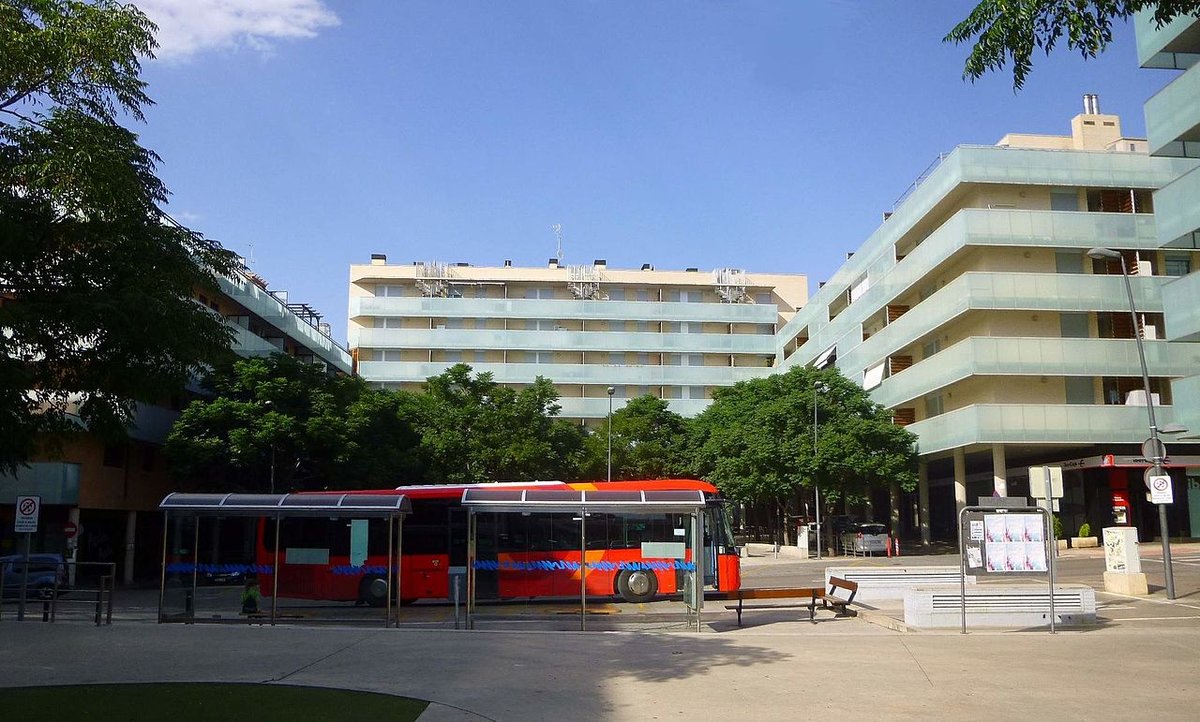
The A23 from Zaragoza provides the fastest route - twenty minutes driving towards Teruel, exiting at kilometre 267. Public transport exists but demands planning: weekday buses connect with Zaragoza's Portillo station at 7am, 2pm and 6pm, returning at corresponding times. Saturday service halves frequency; Sundays require negotiating with local taxi drivers who've perfected the art of charging urban visitors premium rates.
Without a car, you're walking or cycling. The tourist office stocks basic hiking maps, though paths are signed well enough for independent exploration. Mountain bikes can be rented in Zaragoza and brought on regional trains - the station's bike hooks make this practical if awkward during rush hour.
Accommodation options remain limited. Two rural houses offer rooms from €45 nightly, both converted from 19th-century townhouses with architectural quirks like uneven floors and bathrooms carved from former storage spaces. Zaragoza's hotels provide better facilities, but staying in Cadrete means experiencing those dawn-to-dusk transitions that define Spanish village life.
The Reality Check
Winter arrives sharp and sudden. When the Cierzo wind blows down from the Pyrenees, temperatures drop ten degrees in an hour and that castle viewpoint becomes genuinely hostile. Summer conversely lasts from May through September, with July and August best avoided unless you enjoy 38°C heat that shimmers off stone walls and drives even locals indoors between 2pm and 5pm.
Development pressure increases yearly. New housing estates creep closer to traditional farmland, bringing commuter attitudes and city expectations to a place whose infrastructure evolved for 3,000 residents, not 5,000 plus daily incomers. Parking grows problematic during fiestas; visit then and you'll circle the centre repeatedly before squeezing into spaces designed for cars smaller than your rental.
Yet Cadrete persists as something increasingly rare: a Spanish village that hasn't become a weekend playground or heritage theme park. Its bars serve construction workers alongside retirees. Its streets host both agricultural machinery and estate agents' BMWs. This tension between traditional function and modern reality creates a place that's neither quaint relic nor urban suburb, but something messier and more honest. Come for the castle views, stay for the glimpse of how Spain negotiates its rural future while honouring its agricultural past.