Full Article
about Calomarde
Ocultar artículo Leer artículo completo
The stone fountain at the entrance to Calomarde runs winter-cold even in August. Children filling plastic bottles there are often the only sound in the lane—no café playlist, no coach engine idling, just water hitting metal and the echo of boots on granite. At 1,312 m the air is thinner than the tourist footfall; the village head-count (77 on the books, closer to forty in midwinter) fits inside a single London bus.
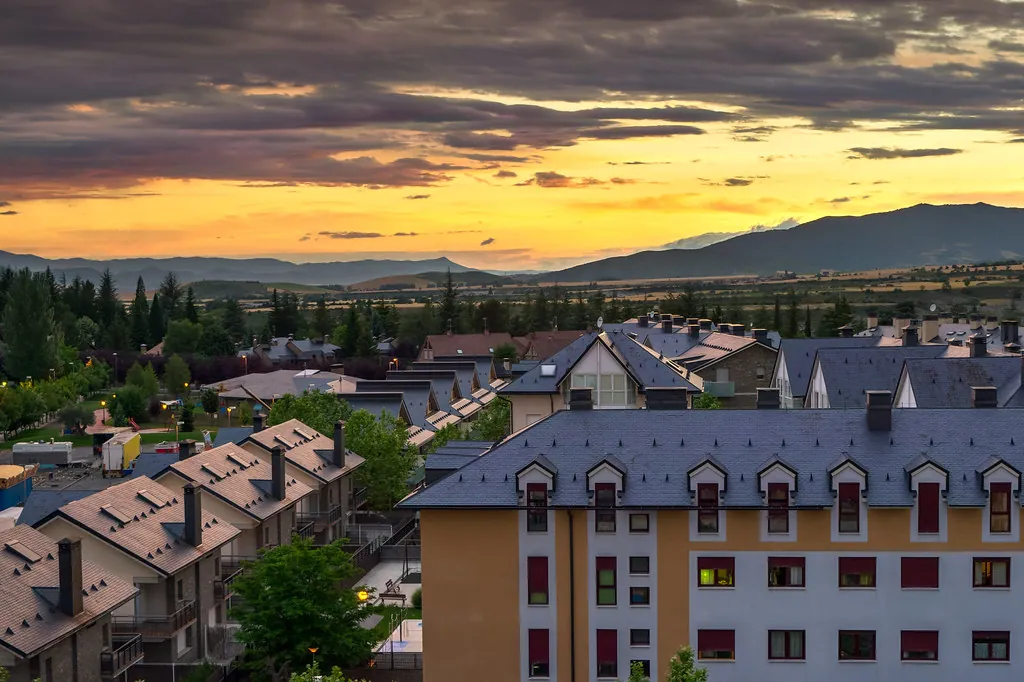
This altitude shapes everything. Mornings can start at 4 °C in October while the plain below Teruel still dozes at 15 °C. The red sandstone houses—built from the local rodeno that glows rust at dusk—sit tight against the wind. Shutters stay closed until the sun clears the pine ridge; by then the smell of resin and wood smoke has already drifted down the single main street. Mobile signal dies in the same corner the sun reaches last, so download maps before you leave the A-1512. EE drops to 3G; Vodafone often gives up entirely.
Most visitors race past on the way to postcard-perfect Albarracín seventeen kilometres away. Those who brake at the brown-and-white sign find a pull-in barely longer than a cricket pitch; arrive after 11 a.m. on a Sunday and you’ll queue behind two hatchbacks and a tractor. Parking is free but finite—once the verge fills, the only option is to reverse 400 m to the old laundry yard.
There is no ticket office, no audio guide, no entrance fee. Instead, the village offers a self-guided loop of stone, water and silence. Start at the church of San Roque: locked unless the sacristan remembers to open up for the Saturday-evening mass, but the porch gives enough shelter to study the 18th-century bell arch rebuilt after lightning in 1934. Opposite, the tiny grocery (open 09:00–13:00, shorter hours if the owner’s granddaughter is sick) sells un-labelled jars of rosemary honey for four euros. The flavour is herbal, lighter than most Spanish versions; it passes the British “toast test” without dripping off the crust.
Walk fifty metres and the lane forks. Left climbs towards the cemetery and the start of the Los Arcos canyon path; right meanders past vegetable plots guarded by shaggy dogs who bark once, then lose interest. Either way you’ll pass at least one fuente. The water is potable—locals have relied on it for centuries—so refill rather than buying plastic downstream. In July the fountains keep butter firm and wine cool; in January they ice over and the village elders break the surface with a hoe.
The canyon loop is the reason walkers divert here. The trailhead is unsigned: look for the metal gate beside the last house, then follow the drystone wall east. A faint path hugs the limestone rim before dropping into a narrow gorge where griffon vultures circle at eye level. The whole circuit is 7 km with 280 m of ascent—half a day if you stop to photograph the rock arches that give the route its name. English hikers on TripAdvisor warn the markings are “hopeless”; download the Wikiloc file before you set off and still expect to back-track twice. Proper boots are advised: the descent is on shattered scree that behaves like ball-bearings after rain.
Rain is the wildcard. Atlantic fronts slam the Sierra de Albarracín six months a year; between November and March the thermometer hovers between 2 °C and 11 °C but the wind-chill makes it feel colder than a Peak District February. Sudden downpours turn the approach road into a slalom of fallen pine needles and loose gravel. Chains are not required, yet confidence in reverse gear helps: the camber is steep and the drop unforgiving.
Summer flips the switch. At 30 °C the stone walls radiate heat until midnight, encouraging a slower timetable. August fiestas swell the population to perhaps three hundred. A brass band plays pasodobles in the square; cider costs two euros a bottle and the mayor hands out free chorizo bocadillos from a kiosk that was the village bakery until 1987. Accommodation is impossible unless you booked in March. Better to visit late May or mid-September when the light is soft, the roads quiet and the bars still open—though never on Monday or Tuesday, when both village bars close and lunch is a picnic or the twenty-minute drive to Albarracín.
Where to sleep? There is no hotel. Five cottages rent by the week; the largest sleeps six and still has the original hay-loft beams. Expect wood-burning stoves, solar showers that run tepid after one song on the radio, and Wi-Fi that vanishes whenever the router gets cold. Nightly rates drop from €90 to €55 after October; owners prefer cash and will meet you at the fountain because postcodes are meaningless here.
Food is simpler than in the regional capital. The grocery stocks tinned tuna, local sheep cheese (curado, nutty, less salty than Manchego) and bread that arrives frozen from a Teruel bakery. If the bars are open, order chuletón al estilo aragonés—a T-bone for two, grilled over vine shoots until the fat edges crisp. Vegetarians get tortilla de calabacín and little sympathy; coeliacs should bring their own crackers. Coffee is instant unless you specify “café de máquina”, in which case the owner dusts off the 1990s Gaggia and charges an extra thirty cents.
Leave time for the drive out. The A-1512 east towards Gea de Albarracín threads a ridge where wild boar wander at dusk; the western route back to the N-330 descends through switchbacks so tight that rental-car passengers learn the Spanish word “mareo” (car-sickness) first-hand. Either way, pull over at the mirador two kilometres south. From the lay-by Calomarde appears as a red smudge between dark pines, smoke curling from a single chimney. Photograph quickly: within minutes the same mountain weather that keeps the village empty can hide it completely behind a roll of grey cloud.
Some places earn their keep by showing visitors a good time. Calomarde does the opposite: it asks you to idle, to listen for hoof-beats on stone, to notice how water tastes when no chlorine has touched it. The reward is not a tick on a sightseeing list but a brief alignment with a rhythm older than weekend breaks. Turn the car key and the 21st-century reboots; until then, the Sierra keeps its own clock.