Full Article
about Camarena de la Sierra
Ocultar artículo Leer artículo completo
Camarena de la Sierra wakes up slowly. At 1,294 metres, the morning light hits the limestone walls later than in the valley below, and the only sound is the clatter of a farmer unloading hay for a handful of sheep. The village doesn't do "buzz". It does thin air, stone roofs that have seen off three centuries, and a population of 123 who can tell exactly which car engine belongs to whom.
This is not postcard Spain. The houses are stern, built to withstand winters that can trap residents for days and summers that crisp the skin like parchment. Walk the single main street—Calle Mayor, though there's nothing particularly mayoral about it—and you'll pass the 16th-century Iglesia de San Juan Bautista, its bell tower patched so many times the stone has turned into a mosaic. Inside, the air smells of candle wax and mountain damp; outside, swallows stitch the sky above roofs tiled with slim, curved Arab tiles carried up by mule when this place was already old.
A village that works better as a compass than a destination
Camarena functions as a base camp rather than a highlight. The GR-88 long-distance path crosses the ridge just above the last houses, and a morning's walk east drops you into pinewoods where wild boar root among last autumn's leaves. Boot prints are more common than tyre tracks: the road up from the A-23 is a 40-minute ribbon of hairpins, and the weekday bus from Teruel often arrives with more letters for the post office than passengers. Bring a map; phone signal vanishes at the first bend, especially if you're on Vodafone or O2. EE users get one bar on the church steps—enough to send a smug text home.
Hiking options range from the gentle 5-kilometre circuit to the Fuente de la Teja spring—water cold enough to make fillings ache—to the tougher haul over the Collado del Buitre at 1,650 m, where griffon vultures tilt on thermals and the view stretches south to the citrus groves of Valencia province. Allow extra time: altitudes on Spanish maps look modest but the air is thinner than most British legs expect. In May the slopes are loud with cowbells and the smaller, sharper sound of Iberian green frogs in every cattle trough; by October the same pastures smell of wild thyme and drifting wood-smoke.
What passes for nightlife
Evenings centre on the two bars, though "centre" is generous terminology. Bar Moritz opens at seven, closes when the last dice player leaves, and serves a chuletón al estilo de Teruel that hangs off the plate like a small canoe. One T-bone feeds two hungry walkers comfortably; chips arrive in a separate basket big enough to use as a hat. Order migas con uvas—fried breadcrumbs studded with sweet grapes—if you want something that won't frighten less adventurous palates. The wine list is short and local: Garnacha from 40 km down the road, rough enough to take the skin off your tongue but cheaper than bottled water. Monday visitors go thirsty—both bars shut, and even the bakery locks its door.
There is no petrol station, no cash machine that works for more than a week at a time, and no souvenir shop. What you do get is a tiny grocer that opens 09:00-13:00, sells tinned tuna, local cheese wrapped in waxed paper, and gossip. Ask for queso de oveja and the owner will cut a wedge from the wheel on the counter, wrap it in a page of yesterday's Heraldo de Aragón, and tell you whose grandson is studying in Edinburgh.
Winter rules
From December to March the village belongs to the cold. Snow can block the TE-34 for days; council ploughs prioritise the link to the Javalambre ski station 18 km away, not the side road to Camarena. Residents keep sacks of firewood stacked against front doors and clear their own paths. If you fancy snow-shoeing, ring the ayuntamiento first: the tourist office is theoretically open on winter weekends but the key is kept by the school caretaker who lives three kilometres out and doesn't answer the phone after eight. On clear nights the Milky Word feels close enough to snag on church roof—light pollution registers zero on every app.
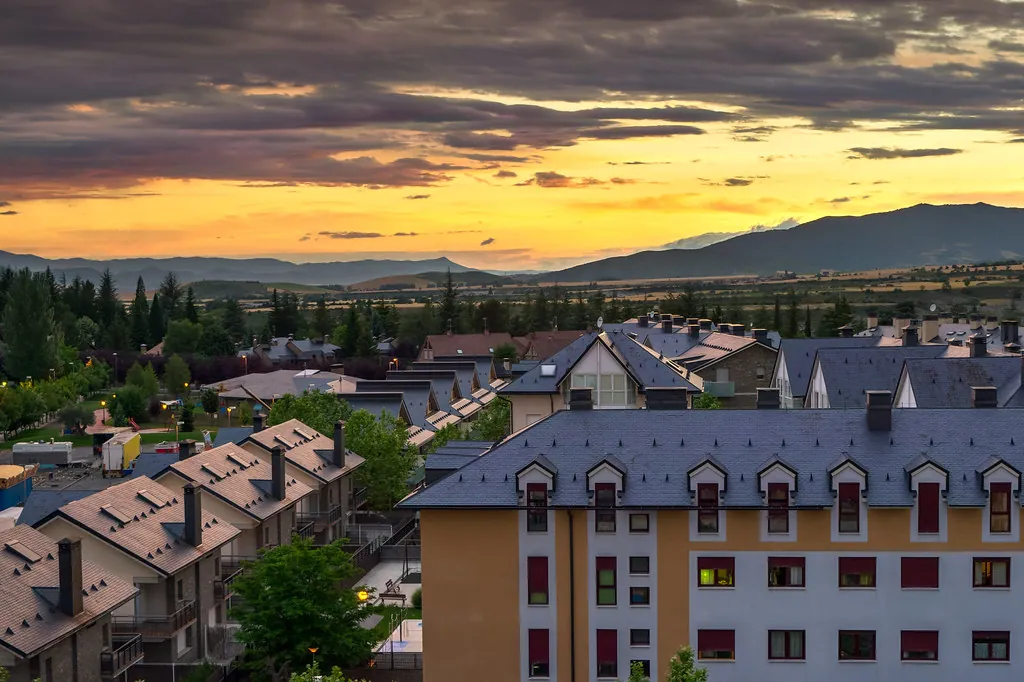
Accommodation is limited. Hostal El Olmo has eight rooms overlooking the stone-roofed cottages opposite; at £45 a night you get a radiator, two blankets thick enough to smother a goat, and a bathroom where the hot water arrives eventually. The Wi-Fi password is written on the back of the door and works in the corridor if you stand sideways. Families prefer the wooden cabins at Cabañas de Javalambre three kilometres downhill—each with fireplace, small kitchen, and a pool that children insist is warm enough in July even when steam rises from their lips.
A calendar that still matters
Festivities are short, intense, and almost entirely for locals. The fiestas patronales in mid-August squeeze 600 people—returning emigrants, cousins, plus the curious passing motorist—into a square designed for 60. A brass band plays pasodobles, someone roasts a whole pig in an oil drum, and teenage girls parade in dresses their grandmothers would recognise. Fireworks ricochet between stone walls louder than any storm the mountains ever brewed. Two days later the village exhales, sweeps up the streamers, and goes back to 123 souls.
In December the Belén viviente turns the upper lanes into a living nativity. Mary is played by the teacher's daughter, the Wise Men arrive on actual mules, and real sheep block the through-road for an hour. Tickets aren't sold; you simply stand where directed and try not to breathe on the baby—usually the baker's youngest—wrapped in a towel that has definitely seen better decades.
Getting here, getting out
Valencia airport is the smoothest gateway: hire car, A-23 towards Teruel, turn off at Sarrión, then climb. The drive takes 90 minutes if you resist stopping for photos of the almond blossom. Fill the tank at the Repsol outside Teruel; after that the only other fuel is at Mora de Rubielos, 25 km east, and it closes for siesta. Public transport exists in theory: a Tuesday-Thursday bus from Teruel that arrives at 14:30 and leaves at 06:00 next day, timing that feels either monastic or punitive depending on your fondness for early starts.
Leave time for Teruel on the return leg. The cathedral's Mudéjar tower is worth the 40-minute detour, and the modern café at the foot of the escalinata does a flat white that tastes like London after three days of mountain coffee. Then again, you could simply stay in the hills, let the dusk settle over the rooftops of Camarena, and discover how loud silence can sound when no one is selling you anything.