Full Article
about Camarillas
Ocultar artículo Leer artículo completo
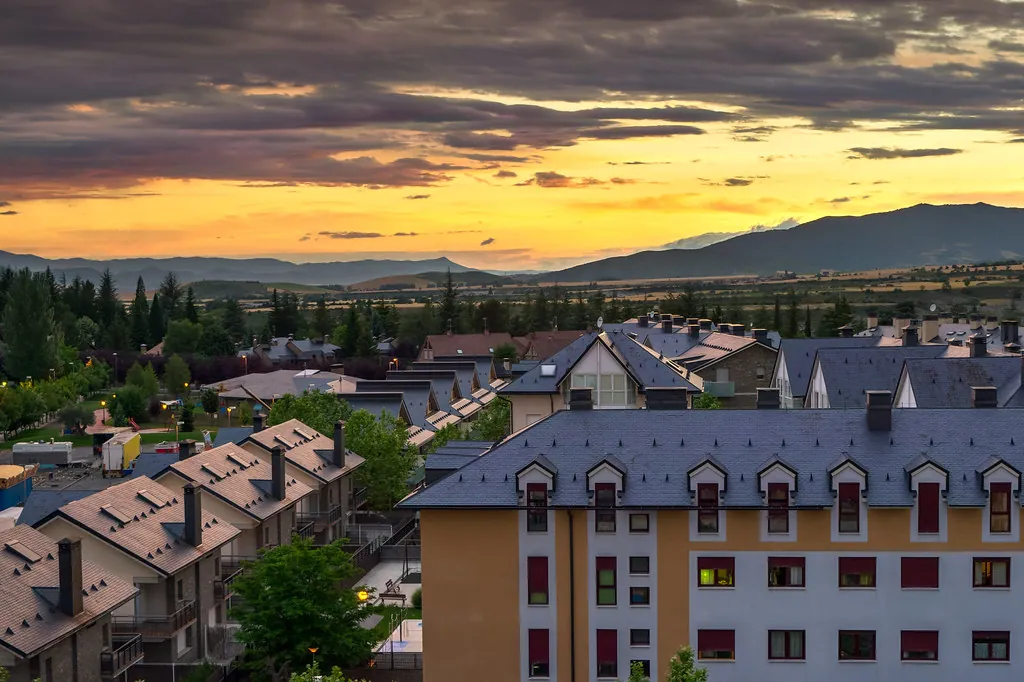
At 1,314 metres above sea level, Camarillas sits high enough to make your ears pop on the drive up. The village appears suddenly after a series of hairpin bends—stone houses huddled against the wind, their terracotta roofs weathered to the colour of autumn chestnuts. Below, the Teruel plateau stretches out like a rumpled blanket, all ochre folds and sudden ravines. It's the kind of view that makes you realise how Spain keeps its secrets in the empty quarters, far from the coastal flashbulbs.
The Quiet Resistance
This is no chocolate-box village. Camarillas wears its decline openly: shuttered houses outnumber occupied ones, their wooden balconies sagging like tired eyelids. The population hovers around 84 souls, a figure that swells to perhaps 150 during August fiesta when descendants return from Zaragoza and Valencia. They come to keep the village alive for three days, lighting the stone church and filling the single bar with voices that echo off empty walls the rest of the year.
Yet there's defiance here. The 16th-century aqueduct still carries water from the mountain spring, its perfectly fitted stones requiring no mortar. Local farmers continue raising goats and sheep on the high pastures, moving them between stone corrals that predate the Reconquista. The parish priest makes the 40-kilometre drive from Teruel every Sunday to say mass for a congregation that might number twelve. These aren't gestures for tourists—they're how people here have always measured time, by seasons and centuries rather than minutes.
The architecture tells its own story of survival. Houses grow directly from the bedrock, their ground floors once stables for animals that lived beneath the family quarters. Windows are small and deeply set, designed to keep out the cierzo—that notorious Aragonese wind that can reach 100 km/h and drop temperatures fifteen degrees in an hour. Iron gratings protect against wolves long since vanished, though wild boar still root through vegetable gardens on autumn nights.
Walking the Empty Spaces
The PR-TE-51 footpath starts from the village fountain, marked by a painted yellow stripe that might last another winter. It climbs immediately—no gentle warm-up here—following an old drove road where shepherds once guided flocks to winter pastures. The stone is loose, proper walking boots essential, and the altitude means you'll feel the first kilometre in your lungs. But then the path levels onto a ridge, and suddenly you're walking through thyme and lavender with griffon vultures circling overhead.
They've got wingspans wider than most British living rooms, those vultures, and they've returned in numbers since the local council started leaving carcasses out on the high ground. Watch them tilt against thermals, riding air currents with the casual expertise of creatures that have mastered their element. Below, the landscape folds into successive waves of sierra, each ridge paler and more distant until the horizon dissolves into a blue so pure it hurts to look at.
The path reaches the ruined castle after ninety minutes of steady climbing. What's left is less Disney, more Game of Thrones: walls reduced to waist-height, a tumble of stones where the keep once stood, and views that explain why they built here. You can see forty kilometres in every direction—useful when your neighbours might be Moorish raiders. Today the only invaders are the occasional German camper van, their occupants looking slightly stunned to find civilisation this high.
Bring a picnic because there's no café at the top. The wind up here carries the scent of pine and something medicinal—rosemary perhaps, or the wild thyme that grows between rocks. Eat sitting on the southern wall where stones still hold yesterday's warmth, and watch shadows climb the opposite slopes as afternoon advances. It's peaceful in the way that makes you check your phone for signal, then feel grateful when you find none.
What Passes for Civilisation
Casa Ramón opens when the owner feels like it, which translates to weekends outside August and daily during fiesta week. Don't expect a menu—he'll tell you what's available, and you'd be wise to accept. The grilled lamb chops come from animals that grazed these slopes, their flavour concentrated by altitude and mountain herbs. The Teruel ham is properly cured, sliced thick enough to chew properly, served with bread that started life in a wood-fired oven forty kilometres away.
The wine is local too, though local here means within a hundred-kilometre radius. It's garnacha, robust enough to stand up to the wind and cheap enough that you'll get change from a twenty for two glasses and the lamb. Order the migas if they're on—fried breadcrumbs with garlic and bacon, comfort food for agricultural workers that translates surprisingly well to British palates. Think savoury bread pudding meets stuffing, served in portions that make British tapas look like a joke.
There's no shop as such, just a front room in someone's house that opens sporadically. They stock tinned tuna, UHT milk, and those Spanish crisps that taste faintly of paprika. Fill up in Teruel before you come—proper shopping requires a 50-kilometre drive back down the mountain, and that road feels longer when you're out of coffee.
The Honest Truth
Camarillas isn't for everyone. Winter brings snow that can cut the village off for days, and the cierzo has been known to rip roof tiles clean away. Phone signal vanishes in the valleys, and the nearest petrol station is half an hour's drive. Most visitors see the castle, photograph the aqueduct, and leave within the hour—TripAdvisor reviewers aren't wrong about that thirty-minute window.
But stay overnight and something shifts. The silence becomes profound rather than empty. Stars appear in quantities that make light-polluted Britain feel like a different planet. You start noticing details: how the church bell rings the hour slightly off-tempo, or how swallows nest in the same holes their ancestors used when these houses were new. The village reveals itself slowly, like a photograph developing in darkroom chemicals.
Come in May when the high meadows turn yellow with broom, or October when beech trees flame against limestone cliffs. Bring walking boots and a sense of temporal elasticity—nothing happens quickly here, and that's rather the point. Camarillas offers what the coast cannot: space to hear yourself think, and the realisation that some parts of Spain still measure wealth in silence and sky.