Full Article
about Canada de Benatanduz
Ocultar artículo Leer artículo completo
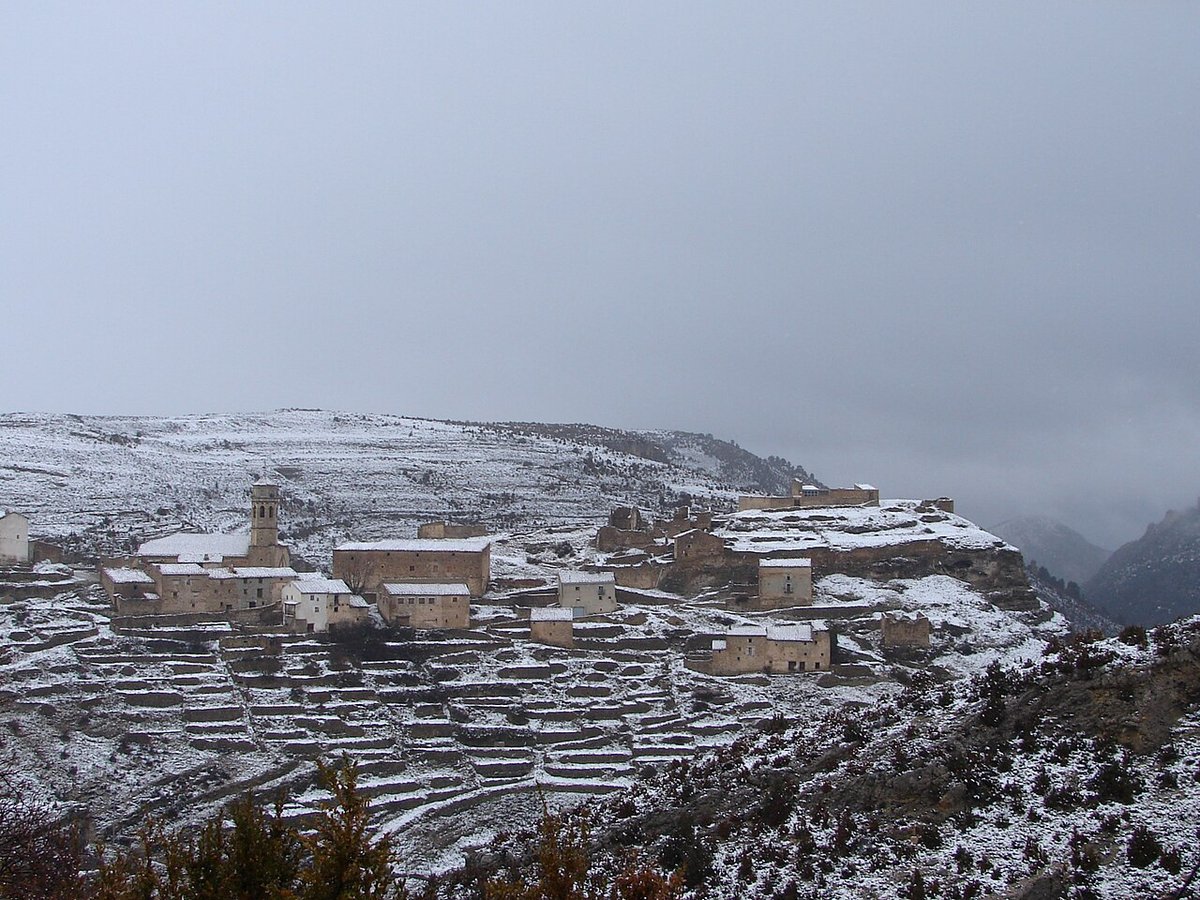
At 1,422 metres above sea level, Canada de Benatanduz sits higher than Ben Nevis. The village thermometer drops to -10°C most winters, and even in July you'll want a jumper after sunset. Thirty-five souls call this scatter of stone houses home—though the census claims more, the mayor admits most have moved to Teruel or Valencia, returning only for fiestas.
The approach tells you everything. From the A-23 motorway, you climb 25 kilometres of switchback tarmac. Each bend reveals another limestone ridge, another abandoned farmhouse collapsing into its own threshing circle. Phone signal dies halfway up. By the time you reach the village parking area—a flat patch of gravel really—the digital detox is complete.
Stone Against Sky
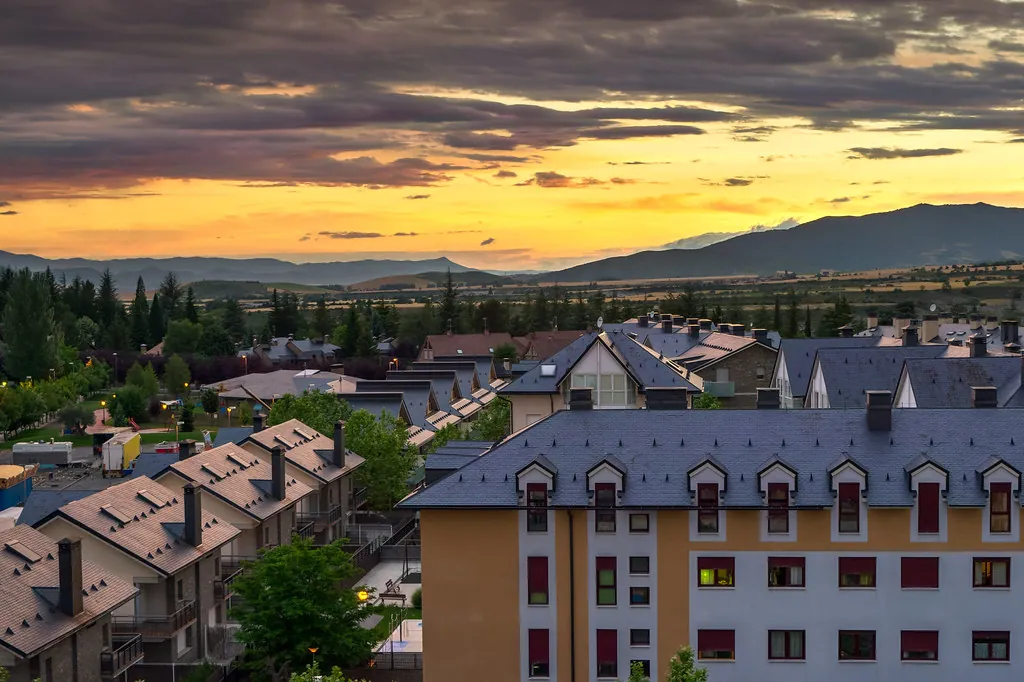
La Villa, the only neighbourhood that feels like a proper village, clings to a ridge so narrow that some houses have front doors at street level and back gardens dropping twenty metres. Builders worked with what they had: chunks of rosy limestone hacked from the same ground the houses stand on. Walls are a metre thick. Roof tiles, wavy and ochre, came from a kiln in Cantavieja that closed in 1973. Look closely and you'll see iron balconies forged in the 1920s by a local blacksmith who also made agricultural tools—hence the slightly agricultural look to the scrollwork.
The 1568 Hospital de los Pobres squats at the village edge, its doorway just 1.6 metres high—people really were shorter then. Inside, the council has restored the 1975 schoolroom exactly as pupils left it: wooden desks carved with initials, a map of Spain still showing Spanish Sahara, a coal stove that never quite heated the single classroom. The keyholder lives opposite; knock loudly. She'll show you for free, but accepts donations towards roof repairs.
Walk downhill (everything here is either uphill or downhill) to find the other three barrios: Los Raus, El Plano and Las Fuentes. They're less villages, more clusters of houses separated by almond terraces and sheep tracks. Allow an hour to loop between them. The gradient reaches 18% in places—stout shoes advised, mobility scooters forget it.
What the Wind Brings
The Maestrazgo climate doesn't do moderation. Winter brings the cierzo, a wind that barrels down the Ebro valley and slaps into these heights. Temperatures can swing 20 degrees in a day. April often sees snow; August can touch 30°C at midday then plunge to 12°C by midnight. Locals claim the air "scrubs your lungs." They're not wrong—the village sits above the thermal inversion layer that traps pollution on the coastal plains. On clear nights the Milky Way looks close enough to snag on the church weathervane.
Spring arrives late. Wild rosemary and thyme scent the paths from May onwards, replaced in September by damp earth and rotting leaves—mushroom season. Picking regulations are strict: carry ID, no more than 3 kg per person, and download the regional government's mushroom app before you set out. Fines start at €300 for overzealous foragers.
Eating Above the Clouds
Food here follows altitude, not fashion. The village bar doubles as the grocery and opens only Thursday to Sunday. Order migas del pastor—fried breadcrumbs studded with pancetta-like bacon. It's essentially savoury bread pudding, comfort food for shepherds who spent weeks tending flocks in these hills. The local trout, served simply grilled with lemon, tastes of snowmelt rather than fish. Pair it with wine from lower down the Guadalope valley; vineyards can't survive at this height.
Teruel ham appears on every menu. Cured for at least 14 months, it's milder than the acorn-fed Iberian hams of the south-west—closer to Parma, making it a good entry point for British palates. The sheep's cheese, queso de oveja curado, develops a nutty flavour after eight months in mountain caves. Buy some at the Saturday market in Castellote, 25 minutes down the road, along with honey made from rosemary flowers that grow wild on the slopes.
Walking the Empty Ridges
Three way-marked paths start from the village fountain. The shortest (45 minutes) loops to an abandoned hamlet where roofs have collapsed but stone bread ovens remain intact. A longer route (2.5 hours) climbs to the Cruz de los Raus at 1,610 metres—higher than any point in England. The panorama takes in a dozen ridges fading to violet, with only the occasional ruin breaking the wilderness.
Serious walkers should tackle the full Ruta de les Masades, an 11-kilometre circuit past five deserted farmsteads. Pack water—there's none en route—and start early. By 11 a.m. summer heat becomes brutal despite the altitude. The path follows dry-stone walls built in the 18th century, when these slopes supported wheat and rye. Abandoned during the 1960s rural exodus, they're now returning to pine and juniper.
Wildlife requires patience. Wild boar leave hoofprints in muddy patches; you'll smell them before you see them. Griffon vultures circle on thermals—wingspan nearly two metres, they make buzzards look petite. Dawn and dusk offer best chances for spotting roe deer slipping between almond groves.
The Honest Truth
Canada de Benatanduz isn't trying to impress. The village website hasn't been updated since 2018. The bakery closed in 1992. If you want nightlife, Teruel is 90 minutes away. Mobile reception is patchy even by Spanish standards—WhatsApp messages can take hours to send.
What you get instead is space. The nearest traffic light is 40 kilometres distant. Nights are so dark that torch beams seem to disappear into the sky. Walk ten minutes from your car and you'll hear only wind and your own footsteps. For Britons used to crowded national parks and booked-solid pubs, the sense of emptiness can feel almost unnerving.
Come prepared. Fill up with fuel in Cantavieja—the village has no petrol station. Bring cash; the bar's card machine works "when it feels like it." Book accommodation ahead; there are exactly three rental houses, none with daily cleaning service. And pack that extra jumper. Even in August, Canada's nights remind you why Spain's highest villages stay half-empty—beautiful, yes, but not always comfortable.