Full Article
about Canizar del Olivar
Ocultar artículo Leer artículo completo
The church bell tolls eleven and the only other sound is gravel crunching beneath your boots. From Cañizar del Olivar's highest lane you can count the village rooftops in seconds—there aren't enough to reach double figures—and beyond them the olive terraces ripple away like green-grey waves. At 954 metres above sea level the air carries a thin snap of mountain cold even when the plains of Zaragoza swelter below.
This is Spain stripped of postcards. No souvenir stalls, no ticket offices, not even a cash machine. What you get instead is arithmetic: 103 residents, 1 parish priest, 2 bar-taverns and roughly 8,000 olive trees. The trees win by a distance.
Stone, Sun and the Smell of New Oil
The village name gives away the plot—cañizar once meant a place of reeds, olivar still means olive grove—but the reeds vanished long ago. Dry-stone walls now shoulder the terraces, each stone prised from the same earth that feeds the trees. Houses follow the same logic: soft limestone quarried nearby, timber beams from local pines, clay tiles baked in Muel three hours away. The result is a colour scheme the fashion industry would call “greige” yet photographers chase at golden hour because every surface bounces light differently.
Start at the plaza, the only paved square. The 18th-century church tower is square rather than arched—cheaper to build and easier to repair after the periodic earthquakes that ripple down from the Pyrenees. Opposite, Bar Luisa opens at eight for coffee and closes when the last customer leaves; mid-week in February that can be nine-thirty. A coffee still costs €1.20 if you stand at the counter, €1.50 at an outside table. The terrace looks onto a stone cross where older men sit in descending order of age, swapping the same agricultural forecasts their fathers recited.
From here any lane leads uphill within minutes. Front doors stand ajar; through them you glimpse tiled corridors ending in courtyards where a single lemon tree grows in an oil drum. Half the houses are weekend retreats now—owned by families who left for Barcelona or Zaragoza in the 1960s—so curtains flap in empty bedrooms and swallows nest undisturbed. The upside for visitors is silence thick enough to hear your own pulse. The downside: if you want lunch you must warn someone the day before.
Walking Among Trees That Were Here Before Your Grandparents
The best map is still the one sketched by the mayor on the back of a pharmacy receipt: follow the concrete track past the cemetery, fork left at the ruined threshing floor, keep the electricity pylons on your right. After twenty minutes the olives give way to monte bajo—scrub of juniper and kermes oak that smells of pepper when bruised—and the path narrows to a goat trail along a limestone spine. Below, the Martín river glints like polished tin; beyond it the sierra known as Minas de Escucha rises rust-red where iron ore was clawed out until 1989.
Return loops exist but nobody measures them in kilometres. Distances are given in time and sweat: “two hours if you stop for water”, “half a morning if the sun is mild”. Mid-July the thermometer brushes 36 °C by eleven o’clock; in January a northerly can hurl sleet sideways. Spring and autumn are the forgiving seasons, when wild asparagus pushes through terrace walls and the oil harvest fills every barn with the scent of crushed olives—part cut grass, part wet earth, part something metallic that catches at the back of the throat.
You can tag along at harvest if you ask early. Owners rarely refuse an extra pair of hands, but the work is bruising: nylon nets spread beneath the trees, long flexible sticks that whip your shins, eight-hour days that end with fingers too stiff to hold a wine glass. Payment is usually a litre of freshly pressed oil, cloudy and so peppery it makes you cough. British visitors invariably compare the taste to radishes; locals nod and say “that means it’s healthy”.
Where to Sleep, What to Eat, How to Get Here
Accommodation choices are binary. Hotel De La Trucha sits 12 km away beside the Martín river—clean rooms, trout on the dinner menu, a British guest once wrote “spotless” on Hotels.com and meant it. Closer to the village, Casa Rural La Olma offers two bedrooms and a kitchen; the key is fetched from Conchi at number 14, payment in cash on the table before you leave. Either way book ahead—Teruel's provincial government lists only nine legal beds inside the municipal boundary.
Food is what you'd expect from a place that measures winter in how long the jamón lasts. Breakfast: toast rubbed with tomato, a thread of local oil, coffee with evaporated milk because fresh spoils too quickly. Lunch: migas—fried breadcrumbs threaded with pancetta and grapes that explode with sweetness. Dinner: whatever game the neighbour shot—partridge stewed with chocolate and chilli, or river trout stuffed with ham. Vegetarians get eggs from the hen that lives behind the bar; vegans should pack supplies.
Driving from Teruel takes 55 minutes on the A-23, then 22 km of secondary road that corkscrews up from 450 m to 954 m. The last 8 km are single-track with passing bays; meeting a tractor full of olives at dusk is not the moment to practise your Spanish reversing. In winter carry snow chains—elevation plus continental climate equals sudden powder even when Zaragoza basks in 15 °C. There is no petrol station; the nearest is in Ojos Negros, 18 km back down the hill.
The Calendar Nobody Prints
Festivities are announced by handwritten A4 sheets Sellotaped to the church door. The romería in May involves walking three kilometres to an abandoned hermitage, sharing sausage and brandy, then returning for an afternoon barbecue that finishes with impromptu karaoke powered by a car battery. August fiestas bring the population up to 400 for forty-eight hours; the mobile disco stops at four in the morning and even the dogs look hungover. On 21 December the olive-oil cooperative opens its doors so locals can taste the new harvest and argue about acidity levels—think wine-tasting but with bread instead of glasses and considerably more shouting.
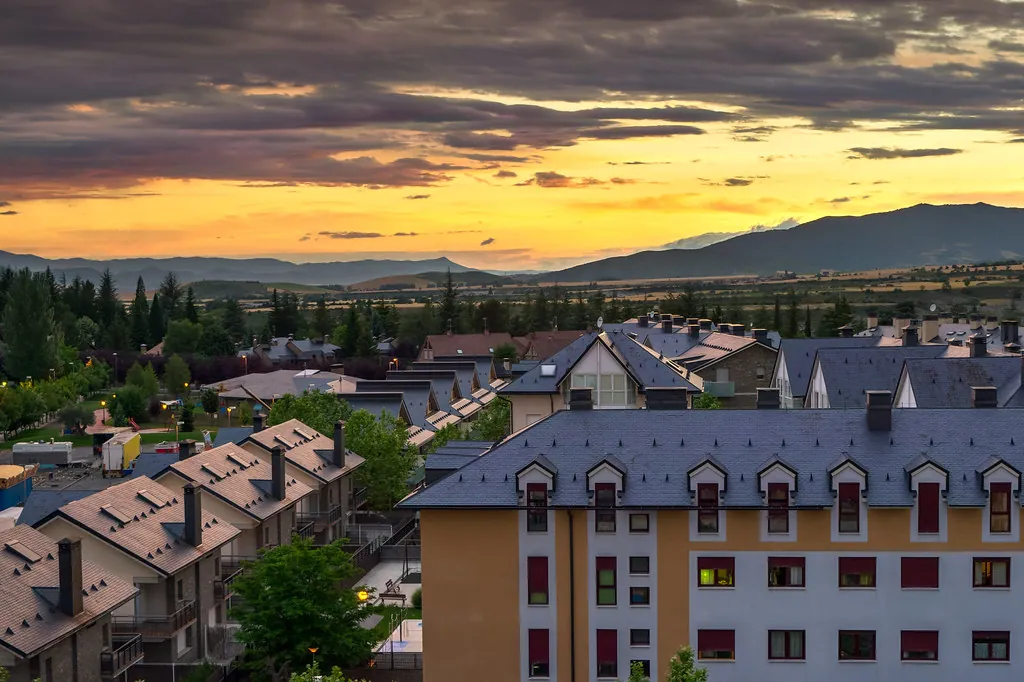
Leave time to simply stand still. At dusk the terraces become a mosaic of purple shadows and silver leaves, and the village lights blink on one by one—first the streetlamp outside Bar Luisa, then the yellow porch bulb at the house where the schoolteacher used to live, finally the red aircraft-warning beacon on the church tower. From the edge of the olives you can watch the whole performance in under five minutes. Then it's dark, and the only sensible thing to do is walk back down for a glass of something strong enough to erase the chill that mountain air leaves on your bones.
Cañizar del Olivar will not change your life. It will not even change your Instagram grid unless you value subtlety over spectacle. What it offers is rarer: a place where the ratio of trees to humans makes sense, where lunch is negotiated not ordered, and where the loudest noise after midnight is an owl complaining about the cold. Bring walking boots, a phrasebook and a taste for peppery oil. Leave the rest of the world where it belongs—on the other side of the sierra.