Full Article
about Capella
Ocultar artículo Leer artículo completo
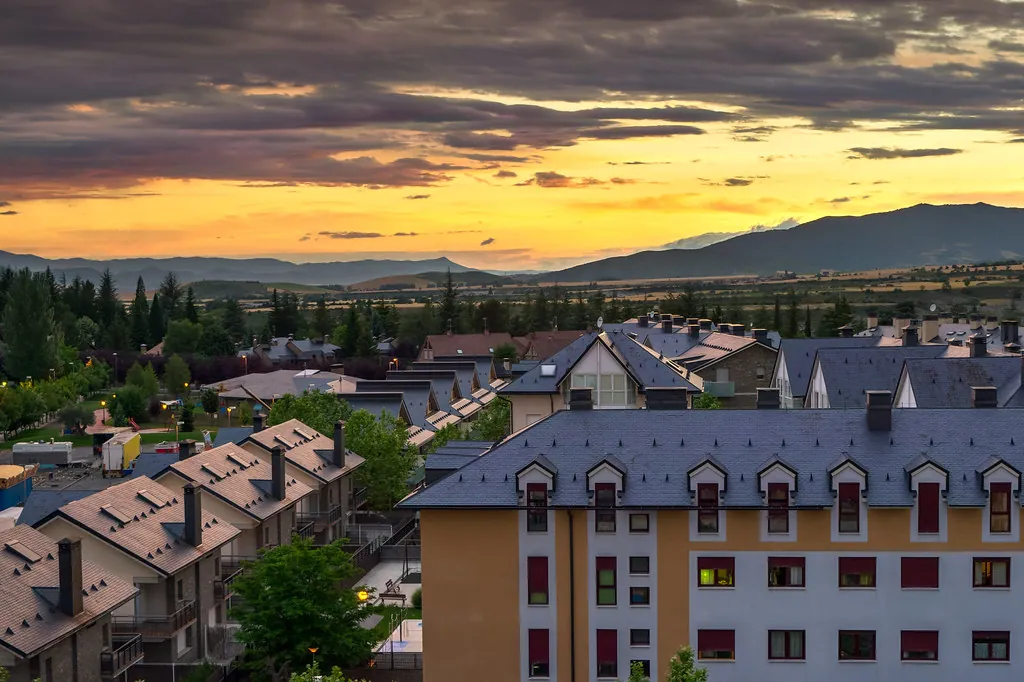
The church tower appears first, rising above wheat fields like a stone compass guiding travellers to Capella. At 526 metres above sea level, this Ribagorza village sits precisely where the Pyrenees start their gentle descent towards the Ebro basin, creating a landscape that neither quite mountain nor quite plain.
Three hundred and sixty inhabitants call Capella home, though numbers swell during August fiestas when descendants return from Zaragoza and Barcelona. Their village occupies a transitional zone that explains everything about daily life here: the climate's gentler than high Pyrenean valleys yet winters still bite, the vegetation mixes Mediterranean almond groves with Atlantic oak forests, and the architecture blends stone robustness with agricultural practicality.
Stone, Slopes and Daily Rhythms
The old quarter climbs a modest hill in tight, steep lanes that discourage rushing anywhere. Local limestone forms the dominant building material, its warm honey colour changing through the day from morning gold to evening amber. Romanesque origins survive in the parish church, though subsequent centuries added baroque flourishes and practical repairs. Inside, carved wooden altarpieces and faded fresco fragments reward those who linger longer than the average passing glance.
What strikes visitors most is the absence of museum-village artificiality. Washing hangs from wrought-iron balconies. Grandmothers sweep doorways while discussing tomorrow's market. New aluminium windows sit beside medieval stone arches without apology. This living quality extends to the agricultural landscape surrounding the houses: small vegetable plots, cereal fields following ancient terraces, and almond orchards that burst white each February.
The transition between village and countryside happens almost imperceptibly. One minute you're navigating narrow streets, the next you're on a farm track between wheat fields. This immediate access to walking routes distinguishes Capella from many Spanish villages where development has severed historic connections to agricultural hinterlands.
Walking Into Ribagorza's Heart
Several marked paths radiate from the village, though calling them "footpaths" flatters what are often centuries-old mule tracks. The GR-1 long-distance route passes within five kilometres, connecting Capella to a network of trails through lower Ribagorza. Shorter circuits lead to neighbouring hamlets like Castilló and Benabarre, typically taking two to three hours through landscapes of increasing solitude.
Morning walks prove essential during summer months. By eleven o'clock, the sun hits with Mediterranean intensity despite the altitude. The nearby Aragonese Camino de Santiago offers gentler gradients for those preferring less strenuous exercise, following the river Ésera through poplar and willow galleries where golden orioles call from hidden perches.
Wildlife encounters require patience and silence. Roe deer emerge at dawn to graze abandoned terraces, while wild boar leave tell-tale rooting signs along stream banks. Griffon vultures circle overhead, having expanded their range from established Pyrenean colonies. Autumn brings the best chances for mammal sightings as animals concentrate around remaining water sources.
Photographers should forget postcard perfection and concentrate instead on agricultural details: ancient threshing floors, irrigation channels carved from single limestone blocks, and the interplay between cultivated fields and regenerating woodland. The hour before sunset transforms stone walls into photographic subjects, when angled light picks out centuries of weathering and repair.
What Actually Matters Here
Local cuisine reflects geographical positioning between mountain and plain. Lamb from nearby pastures appears in traditional stews during winter months, while migas—fried breadcrumbs with garlic and grapes—provides economical sustenance year-round. The village's two bars serve straightforward cooking without pretension: think lentil stews, grilled meats and almond tarts made by someone's aunt.
Don't expect extensive restaurant choice. Capella functions as agricultural centre rather than tourist destination, meaning food arrives at Spanish agricultural hours rather than British holiday schedules. Lunch happens between two and four, dinner after nine. Many establishments close Monday and Tuesday, so planning becomes essential unless self-catering.
The August fiestas transform this quiet rhythm completely. Mid-month celebrations honour the Assumption with processions, brass bands and street dancing that continues past midnight. Returning emigrants swell numbers tenfold, creating temporary crowds that might surprise those seeking rural tranquillity. Book accommodation well ahead if visiting during fiesta week—options remain limited even at peak times.
Practicalities Without the Sales Pitch
Reaching Capella requires accepting that Spanish infrastructure priorities favour connections between major cities over rural access. From Huesca, take the A-22 autovia towards Lleida, exiting at Monzón for secondary roads winding through agricultural landscapes. The final forty minutes involve narrow, well-surfaced lanes where encountering tractors proves more likely than other tourists. Total journey time from Zaragoza airport reaches two hours, assuming no agricultural traffic delays.
Public transport exists but demands patience. A twice-daily bus connects to Barbastro on market days, though services reduce outside school terms. Hiring cars becomes almost essential for exploring wider Ribagorza, particularly given limited accommodation within Capella itself. Rental vehicles should include GPS—road signage follows Spanish conventions that occasionally assume local knowledge.
Accommodation comprises two rural houses and limited private rooms. The Casa Rural Ribagorza offers four bedrooms in a restored stone building near the church, charging around €70 per night including breakfast. Alternative options exist in Benabarre, six kilometres distant, providing more choice though requiring transport for evening meals. Booking ahead remains wise regardless of season—rural tourism in Aragon grows steadily though infrastructure develops slowly.
Weather catches visitors unprepared. Summer temperatures exceed 35°C despite altitude, while winter brings occasional snow that paralyzes unprepared local transport. Spring and autumn provide optimal conditions: May flowers almond orchards white, September harvests create golden landscapes under clear skies. Always pack layers—even July evenings can require jumpers once sun drops behind surrounding hills.
Capella rewards those seeking understanding over entertainment. Come with time to sit in the main square watching agricultural life continue, with sturdy shoes for exploring ancient paths, and with Spanish sufficient for basic conversations. This isn't a destination for ticking boxes or capturing social media moments. Instead, it offers something increasingly rare: a place where tourism remains incidental to daily life rather than its primary purpose.