Full Article
about Carenas
Ocultar artículo Leer artículo completo
The first thing you notice is the quiet
Engine off, door slammed, and the countryside simply swallows the sound. Carenas sits 650 m above sea-level on a shallow ridge above the river Piedra, thirty-five minutes’ zig-zag from Calatayud. Olive groves roll away in every direction, the soil pale and chalk-dry; the only vertical punctuation is the church tower, a square-shouldered chunk of stone that has clocked the hours since the 1500s. No souvenir stalls, no interpretive centre, no piped music. Just the hum of your own blood pressure dropping.
Locals put the population at “about one-eighty, give or take a funeral”. The village is too small for a dedicated mayor; it shares an ayuntamiento with three neighbouring hamlets. What that means in practice is that the bins get emptied on Tuesdays and the road sweeper turns up when someone in the comarca remembers to book him.
A street plan drawn by a sheep
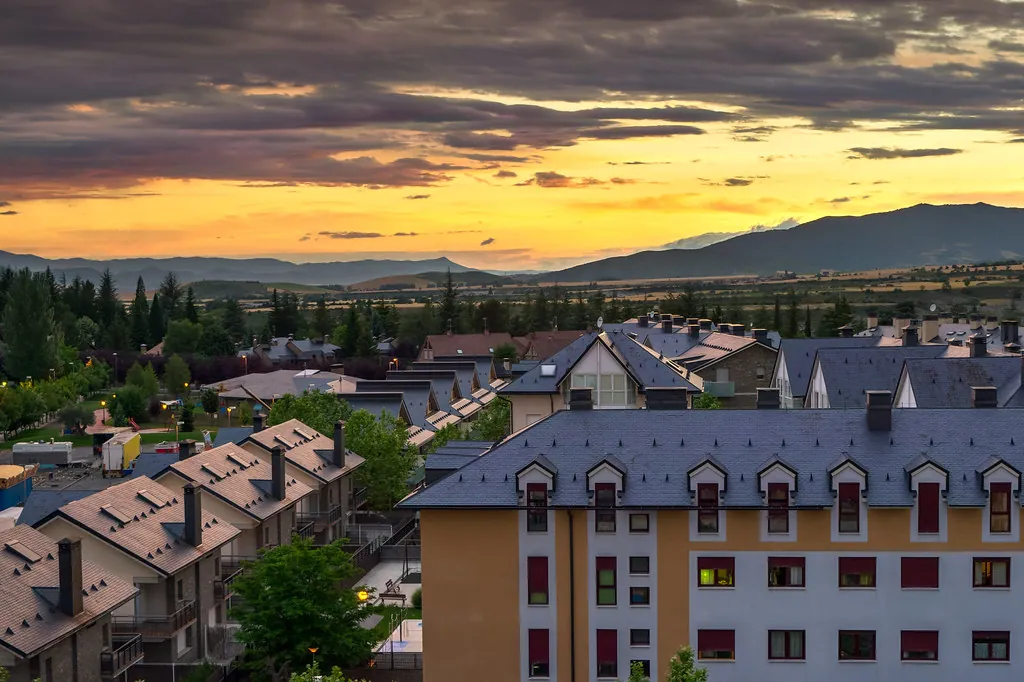
Carenas grew outwards from the spring that still bubbles behind the church, so lanes radiate like spilled water. Houses are a patchwork: stone footings, adobe upper walls, roofs of curved Arabic tile that have turned the colour of burnt toast. Paint is optional; several facades flake like sun-burnt shoulders, yet geraniums still riot on the iron balconies because people live here year-round, not for the Instagram grid.
Walk clockwise and you’ll pass the old bread oven, now stacked with firewood; anti-clockwise and you reach the single grocery, open 09:00-13:00 except Thursdays, when Señora Pilar drives to Zaragoza to collect her sister. Bread arrives in a white van at 11:00; if you want a baguette, loiter by the church gate and follow the horn.
There is no ticket office, no audioguide, no gift-shop fridge magnet of the Virgin. The heritage is simply there: a Romanesque doorway reused in the church south wall, a coat-of-arms hacked by Napoleonic soldiers during their retreat in 1813, a threshing circle on the edge of town where the view stretches forty kilometres to the snow-dusted Moncayo. Entry fee: zero euros.
What to do when the sights take twenty minutes
You walk. Carenas is stitched to its neighbours by a lattice of agricultural tracks originally carved for mules. Signage is minimal—look for the double-dash of red paint on a fence post—but the logic is simple: keep the olives on your right and you’ll loop back to the ridge. Distances are honest: six kilometres to Paracuellos de la Ribera, nine to Ateca, both flat enough for children provided you carry water because shade is theoretical.
Spring brings a brief, brilliant window when the cereal strips between olives turn emerald and poppies ignite the verges. By July the palette has bleached to bronze; the air smells of warm thyme and the only movement is a harvesting machine that looks like a mechanised dinosaur. Autumn smells of grape must—small plots of Garnacha cling to any pocket of deeper soil—and the first frost usually arrives around All Saints, crisping the wild fennel to liquorice scent.
If you prefer pedals to boots, the hotel Espacios del Mundo will lend hybrid bikes (€20 half-day) and a laminated map that marks gradient in felt-tip pen. The lane down to the Piedra gorge is tarmac but single-track; meet a tractor and someone has to reverse fifty metres to the nearest passing bay. Courtesy dictates the rider going uphill keeps the tarmac, so prepare for polite Spanish stand-offs and the smell of clutch.
Eating: phone first or go hungry
Carenas has two bars, one baker, zero restaurants in the British sense. Meals happen when someone feels like cooking. The smarter option is to ring the hotel before 14:00 and ask if they’ll serve lunch to non-guests—most days they will, provided you don’t mind sharing a table with German bird-watchers. Expect a three-course set menu at €18: ternasco (milk-fed lamb) slow-roasted until it sighs off the bone, followed by migas fried with streaky bacon and a handful of grapes that burst like sweet balloons. The local rosado from Bodegas Ateca slips down like alcoholic strawberry water; one glass is refreshing, three require a siesta on the pool lounger.
The village alternative is Bar La Plaza, open when the metal shutter is up. Coffee comes in glasses, wine in baby tumblers, and the chalkboard might read “chuletón 800 g – para dos” or simply “hay tortilla”. They close the kitchen the moment the last steak hits the grill, so arrive before 15:00 or risk a packet of crisps for lunch. Cards are accepted, though the terminal is connected to the wall by what looks like baling twine—cash soothes everyone.
Where to lay your head
Espacios del Mundo is the only accommodation inside Carenas itself: four rooms carved from a 17th-century manor, underfloor heating, rain showers, a pool that glows turquoise after dark. Prices start at €110 B&B mid-week; they drop to €90 if you stay three nights, worth knowing because the village won’t fill three days unless you’re writing a thesis on dry-stone walls. The owner, Jesús, speaks fluent Auto-Translate English and will email GPS coordinates for the nearest petrol station (Tarazona, 38 km).
Alternative is Valle del Río Piedra, a clutch of timber cabins five kilometres outside the village. They come with kitchens, barbecues and enough space for a family to argue over Uno. Downside: you have to drive in for bread, and the track after rain resembles chocolate mousse.
Timing: pick the right month or pay in sweat
April and late-September are the sweet spots: 20 °C at midday, cool enough at night for a jumper. May brings out the butterflies, October the grape harvest; both months you’ll share the village with maybe three other tourists, unless a Spanish hiking club has booked the hotel, in which case breakfast sounds like a Madrid commuter train.
August is honest-to-goodness hot: 35 °C by 11 a.m., cicadas screaming like faulty smoke alarms. The fiestas—second weekend—liven things up with street discos that finish at 05:30, but they also triple the population and your chance of sleeping is inversely proportional to the number of empty whisky bottles by the fountain. Winter is crisp, often sunny, occasionally snow-dusted. Daytime 8 °C, nights -3 °C; the hotel stays open but both bars may close if the owners fancy a long weekend in Teruel. Bring slippers—stone cottages breathe cold like a cave.
Getting here without the tears
Ryanair from London-Stansted to Zaragoza lands at 12:05 local; collect a hire car before the siesta shutter comes down. Take the A-68 towards Logroño, peel off at junction 20 signed Calatayud-Oeste, then follow the A-132 through seductive emptiness. Google promises 75 minutes; the road’s twists and grain-harvest lorries make it ninety. Fill the tank in Tarazona—after that, petrol is mythical. There is no railway, no Uber, no bus on Sundays. If you can’t face driving, stay in Zaragoza and day-trip; you’ll spend four hours in a car but at least you’ll eat dinner after 21:00.
The honest verdict
Carenas will not change your life. It offers no souvenir beyond the memory of silence so complete you can hear your camera lens whirr. Go if you need a pause between city hits, if you like your landscapes stripped to olive, stone and sky, if you’re happy to eat whatever Señora Pilar felt like cooking. Treat it as a comma, not a chapter: two nights, a long walk, a bottle of rosado on the church steps while the sun drops behind the Moncayo. Then drive away before the shutter clatters down on the bakery and you discover the nearest cash machine really is eighteen kilometres of blind corners.