Full Article
about Cascante del Rio
Ocultar artículo Leer artículo completo
The church bell strikes noon, yet nobody checks their watch. In Cascante Del Río, perched 984 metres above sea level in Teruel's forgotten folds, time moves to older rhythms. Sixty-six souls inhabit stone houses that have watched the same river bend for centuries, their walls built from the very hills that surround them.
The River That Named Everything
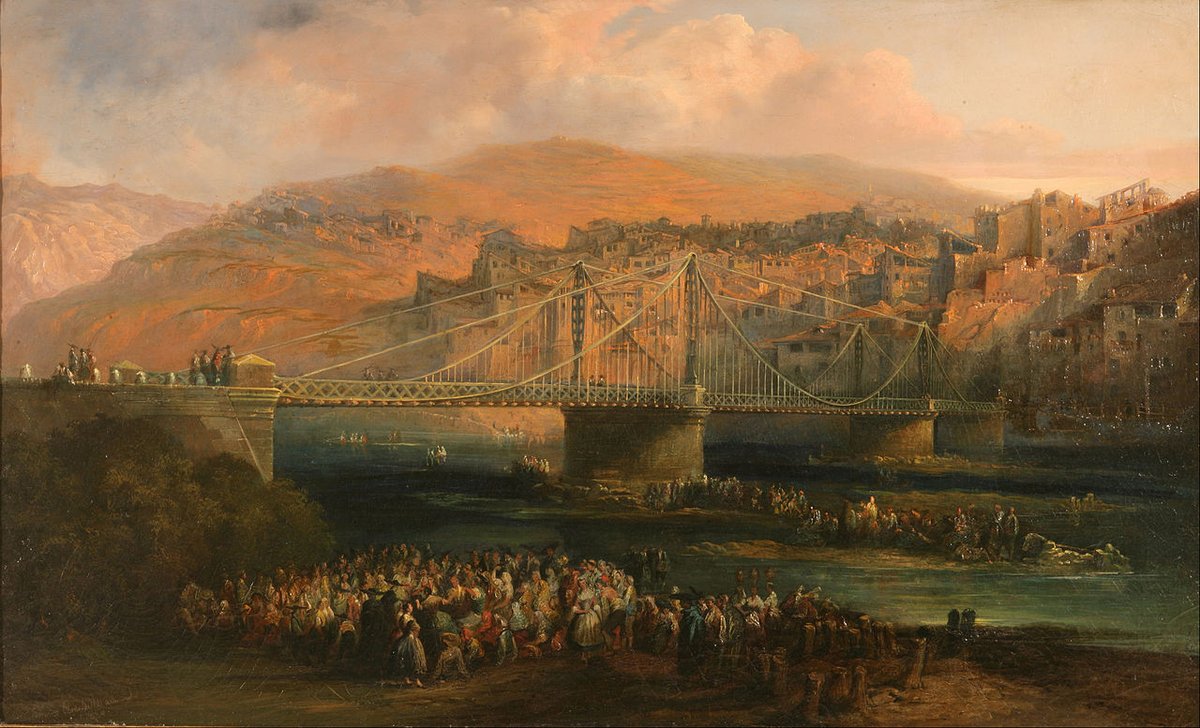
Cascante Del Río literally means "Cascante of the River"—and the waterway remains the village's pulse. It threads between vegetable plots and poplar groves, providing shade during summer's furnace and the soft murmur that replaces traffic noise. The houses turn their backs to the road and their faces to the water, following an logic that predates cars by several centuries.
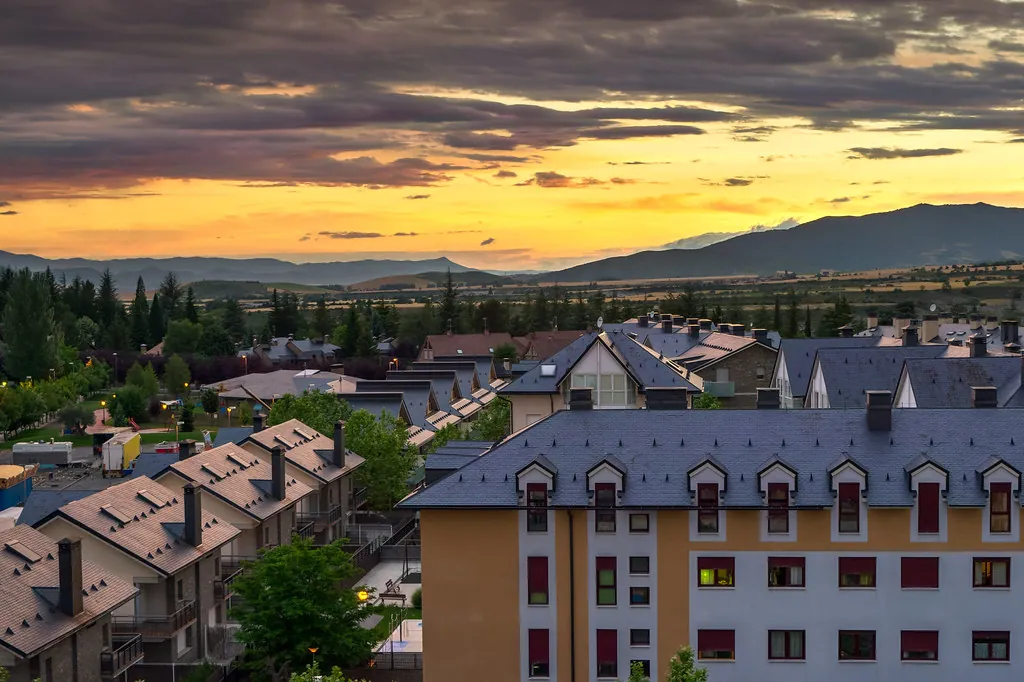
Local stone gives the buildings their honey-grey hue, mottled with lichen and patched with modern cement where walls have shifted. Balconies of wrought iron hold geraniums in summer; winter sees wood smoke curling from chimneys that have vented hearths since the 1600s. There's no historic centre to speak of—just streets that narrowed when someone built an extra room, then narrowed again when their neighbour did the same.
The parish church squats at the village heart, its masonry tower more functional than decorative. Inside, the walls bear witness to generations of farmers who measured their year by saints' days rather than calendar months. The altar cloth might be faded, but the candles burn with the same beeswax scent that greeted their great-grandparents.
Walking Into Silence
Tracks radiate from the village like spokes, following ancient rights of way to abandoned farmsteads where stone corrals crumble back into the earth. These aren't marked trails—just paths that sheep and their shepherds wore into the limestone over decades. The gradients deceive: what looks gentle on a contour map works muscles that city walking never touches. Proper boots matter here; the stone can glaze into treacherous marble when wet.
Spring brings the best walking, when the surrounding hills shift from winter's bronze to improbable green. Wild thyme cushions release scent underfoot, and the air carries enough moisture to make breathing easy at this altitude. Autumn offers a different palette—ochres and rusts that photographers chase across the rolling fields. Summer walking happens early or not at all; by eleven the sun has already begun its work of turning the landscape into a copper etching.
The village sits in rain shadow, meaning clear skies but also brutal temperature swings. July and August can touch thirty-five degrees by midday, then plummet to fifteen after dark. Winter brings proper mountain weather—snow isn't unusual, and the road from Teruel becomes entertaining when ice joins the usual repertoire of hairpins and sudden drops.
What Actually Grows Here
Kitchen gardens along the riverbank produce vegetables with the concentrated flavour that comes from altitude and temperature stress. Tomatoes stay small but taste like their wild ancestors; lettuces grow slowly enough to develop proper bite. The local diet reflects this—robust stews that would make a nutritionist wince but keep farmers working through twelve-hour days.
Migas—breadcrumbs fried with garlic, paprika and whatever the garden offers—appears on every table. The bread itself matters less than the technique: stale country loaves crumbled by hand, never machine, then coaxed into golden submission with olive oil that tastes of the neighbouring groves. Lamb arrives from flocks that graze the higher pastures, their meat carrying the faint herbaceous note of wild rosemary and thyme.
Mushroom season transforms the surrounding pine woods into a giant larder. Níscalos—saffron milk caps—hide under fallen needles, while setas de cardo poke through clearings where wild boar have rooted. But this isn't pick-your-own entertainment; local knowledge runs deep, and mistaking a níscalo for its poisonous cousin can ruin more than just dinner. The village pharmacy stocks activated charcoal for good reason.
When Everyone Returns
August transforms Cascante Del Río's population arithmetic. The sixty-six residents swell to several hundred as families return from Zaragoza, Barcelona, even London. The village fountain—restored in 2019 after a EU grant—becomes an evening meeting point where Spanish, Aragonese and English mingle in exhausted polyglot.
The fiesta programme fits on a single A4 sheet taped to the church door: procession at seven, dinner in the square at nine, dancing until the generator runs out of diesel. Nobody charges admission; contributions go into a jam jar that gets passed around like communion wine. The band arrives from a neighbouring village, their amplifiers powered by cables that snake across rooftops in arrangements that would give British Health and Safety inspectors nightmares.
Christmas follows a quieter pattern. Nochebuena sees extended families squeezed into houses built for simpler times, twenty people around tables meant for six. The midnight mass draws even the lapsed; the church heating can't cope with December temperatures, so worshippers keep coats on and hands in pockets. Afterwards, villagers exchange gifts of homemade mantecados—lard biscuits that taste infinitely better than they sound—while children throw firecrackers whose echoes bounce off the surrounding hills.
Getting There, Staying Warm
Teruel's tiny airport receives exactly zero international flights, which tells you everything about Aragon's tourism priorities. The practical route runs through Zaragoza: two hours on the AVE high-speed train from Madrid, then ninety minutes by hire car into increasingly empty country. The final approach involves the N211, a road that specialises in sudden bends and truck drivers who know every corner by heart.
Accommodation options remain stubbornly limited. The village itself offers two rooms above the bar—basic but clean, with bathrooms that were definitely installed during Spain's building boom. Hot water arrives via solar panels, which works brilliantly except during the week of solid cloud that tends to arrive each February. Alternative bases include Montalbán (twenty-five minutes drive) or even Teruel itself, though this turns dinner into a designated-driver dilemma.
Spring and autumn deliver the sweetest spot: warm days, cool nights, and roads empty enough to make driving pleasurable rather than tactical. Winter brings spectacular clarity—the air thins enough to see fifty kilometres on a good day—but also the possibility of finding yourself snowed in behind a fallen tree. Summer works for those who rise early and siesta properly; the village bar reopens at six when shadows finally reach the square.
Cascante Del Río won't change your life. It offers no epiphanies, sells no souvenirs, provides no Wi-Fi. What it does give is the increasingly rare experience of a place that continues regardless of whether anyone visits—a village where the river keeps its own counsel, and where tomorrow looks remarkably like yesterday looked, and the day before that.