Full Article
about Castejon de Alarba
Ocultar artículo Leer artículo completo
The cereal fields around Castejón de Alarba start rustling well before dawn. At 916 metres, the village sits high enough for the wind to carry the sound across stone walls and half-shuttered windows, waking anyone who thought countryside meant silence. This is Aragon's Iberian System at its most honest: a scattering of houses, 81 permanent residents, and a landscape shaped more by threshers than tour buses.
A Village That Prefers Breathing to Bragging
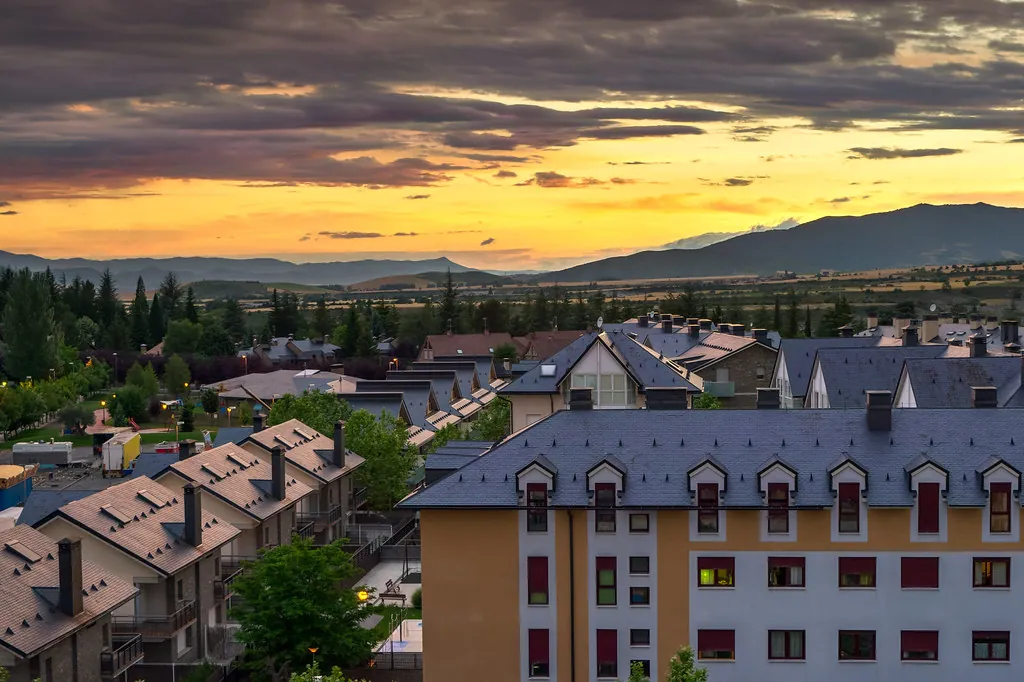
Forget the fantasy of a perfectly restored hilltop idyll. Castejón de Alarba keeps its scars—peeling paint, collapsed threshing floors, gates wide enough for tractors that no longer start. The place is small enough to cross in five minutes, yet large enough to lose mobile signal halfway down Calle Mayor. Stone and brick houses shoulder together against winter cierzo winds; in summer the same walls radiate heat long after sunset. It isn't picturesque in the postcard sense, but the textures reward anyone who looks twice: lichen on roof tiles, hand-forged iron hinges, the way wheat chaff catches in doorframes after harvest.
There are no ticketed monuments, no audio guides, no artisan ice-cream parlours. The parish church of San Miguel stands at the top of the slope because that is where medieval builders put it; the bell still marks the hours for fieldworkers rather than visitors. Step inside and you will find mismatching plaster, a faint smell of wax, and the temperature drop that stone churches everywhere deliver. Outside again, the view slides south-east across rolling cereal plains towards the slight hump of Sierra de Vicort—brown-to-gold country that turns emerald for a fortnight in April if the rain behaves.
Walking the Paper-Thin Map
Footpaths radiate from the tarmacked A-2103 like dry veins. Most are farm tracks used twice a year for sowing and harvest, so footwear matters: trainers in May, boots in October when the mud sets like concrete. A short loop north climbs gently to a low ridge where the village sinks to toy size; the return leg passes an abandoned threshing circle where storks sometimes nest on the cross-beam. Total distance: 4 km. Total signage: one faded arrow on a fence post. Download the track the night before—there is no 4G to bail you out once the grain towers block the signal.
Keener walkers can follow the GR-90 long-distance footpath which skirts the municipal boundary. A 12 km figure-of-eight links Castejón with neighbouring Valdeconcha, crossing two seasonal river beds and a pine plantation that smells of resin after midday sun. Take two litres of water; fountains are marked on the map but most run dry from July onwards.
Birdlife is modest yet satisfying: cirl buntings chatter from almond trees; hen harriers quarter the stubble in winter; thekla larks vanish the moment you raise binoculars. Dawn and dusk double the chance of anything spectacular—eagle owls breed in the quarried gullies south of the village and can be heard if the wind drops.
What Arrives on the Plate
Food here is dictated by drought and flock. Milk-fed lamb—ternasco—appears on every family table at weekends; restaurants within 25 km roast it with potato quarters until the edges caramelise. The local variant on migas fries yesterday's breadcrumbs in olive oil with diced bacon and a single grape per diner, a sweet-salty contrast that divides visitors. Calatayud DO wines, garnacha-heavy and priced around €9 a bottle in the co-op, wash it down without the tannic punch of Rioja.
Vegetarians survive on garden produce. From mid-June peach stalls pop up on the N-234 honesty system: €2 for a paper bag of fruit that drips down your wrist. The village bar, open weekends only outside August, serves a tortilla thick enough to tile roofs; ask for it "jugosa" if you like the centre runny. Payment is cash—euros only—and the owner keeps a tab in pencil on the back of a seed catalogue.
Timing the Trip
Spring brings green wheat and noisy skylarks; it is also when the cierzo wind can gust to 70 km/h and sandblast any notion of a gentle picnic. Autumn trades colour for comfort: clear air, warm afternoons, cold beers at the Calatayud Sunday market. Winter is stark, beautiful and closed—many houses are second homes whose Madrid owners appear only at Christmas, so the place can feel abandoned. Summer spikes at 35 °C but cools quickly after dark; the village fiestas on 20 August squeeze the year's population into two days of street dancing, communal paella and fireworks that echo off surrounding hills. Book accommodation six months ahead if you insist on those dates; otherwise pick any weekday in late May and you might have the grain silos to yourself.
Getting In, Stocking Up, Getting Out
No railway, no petrol station, no cash machine. Fly to Madrid, collect a hire car, head north-east on the A-2 for 90 minutes, then peel off on the N-234 towards Calatayud. From the ring-road take the A-1502, switch to the A-2103, climb 12 km of tight bends and arrive when the road runs out of asphalt. The journey feels longer than the 180 km suggest—exactly the point.
Shopping happens in Calatayud before you ascend: bread, ham, milk, tonic water, whatever you forgot at duty-free. The village social shop opens 17:30–19:30 on Tuesdays and Fridays and sells tinned tuna, tinned tomatoes, tinned beans and little else. Mobile coverage is strongest on the church steps; Vodafone beats Movistar by one bar. Check fuel—Arcos de Jiloca, 17 km north, has the nearest pump and it closes Sundays.
Leave the car on the rough ground by the cemetery; nobody bothers with tickets or wheel clamps. The daily bus from Calatayud stops at the junction below the village at 14:10; if you miss it, walking uphill with luggage takes 35 minutes and works off the migas.
Last Light on the Stone
Evening here is a slow fade. Swallows stitch the sky above the bell-tower; somewhere a tractor reverses with that monotonous beep; the smell of thyme drifts across from uncultivated margins. Nothing dramatic happens, which is precisely why people still come. Castejón de Alarba offers no souvenir fridge magnets, only the quiet recalibration that occurs when mobile signal fades and the loudest noise becomes your own breathing. Stay a night or two, walk the grain tracks, drink garnacha while the wind combs the wheat, then drive back to the motorway where traffic reintroduces twenty-first-century time. The village will keep rustling, half awake, long after you have reached cruising speed.