Full Article
about Castejon de Tornos
Ocultar artículo Leer artículo completo
At 1,085 m, the air thins just enough to make the church bells carry further. They ring at noon over Castejón de Tornos, scattering swifts from the medieval tower and reminding the fifty-odd residents that time has not slipped away entirely.
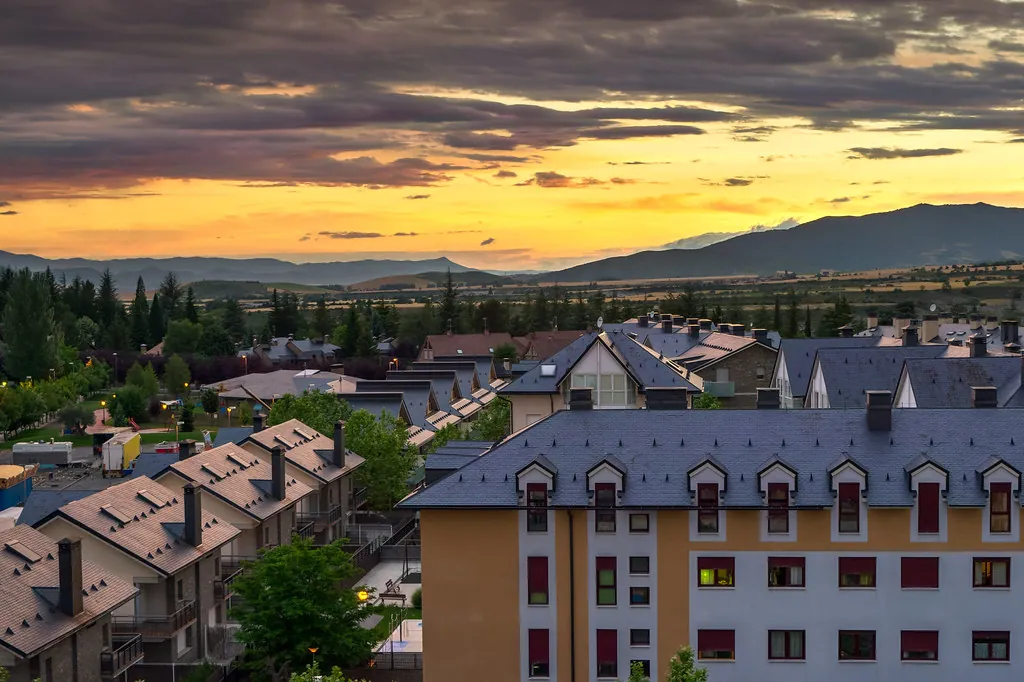
The village squats on a sun-baked ridge above the Jiloca valley, forty-seven bone-rattling kilometres south-east of Teruel. Drystone walls hold back the moorland; beyond them, the land drops into folds of pine and juniper that hide wild boar, red deer and the occasional golden eagle. This is not postcard Spain—colour has been rationed to grey rock, green-gold forest and the fierce blue of high-altitude sky.
Stone that Learnt to Breathe
Houses were built from whatever the ground offered: mica-flecked schist for the walls, river-cane for the ceiling beams, grey Arabic tiles fired in nearby Monreal. The masonry is two-feet thick; in July the interiors stay cool, in January they hoard every degree a small hearth can give. Look for the datestones—1694, 1741, 1837—carved above doorways whose iron studs once stopped ramming boars. Many dwellings are still family-owned, locked up for eleven months while owners work in Zaragoza or Valencia, reopened only for the August fiesta or the December matanza.
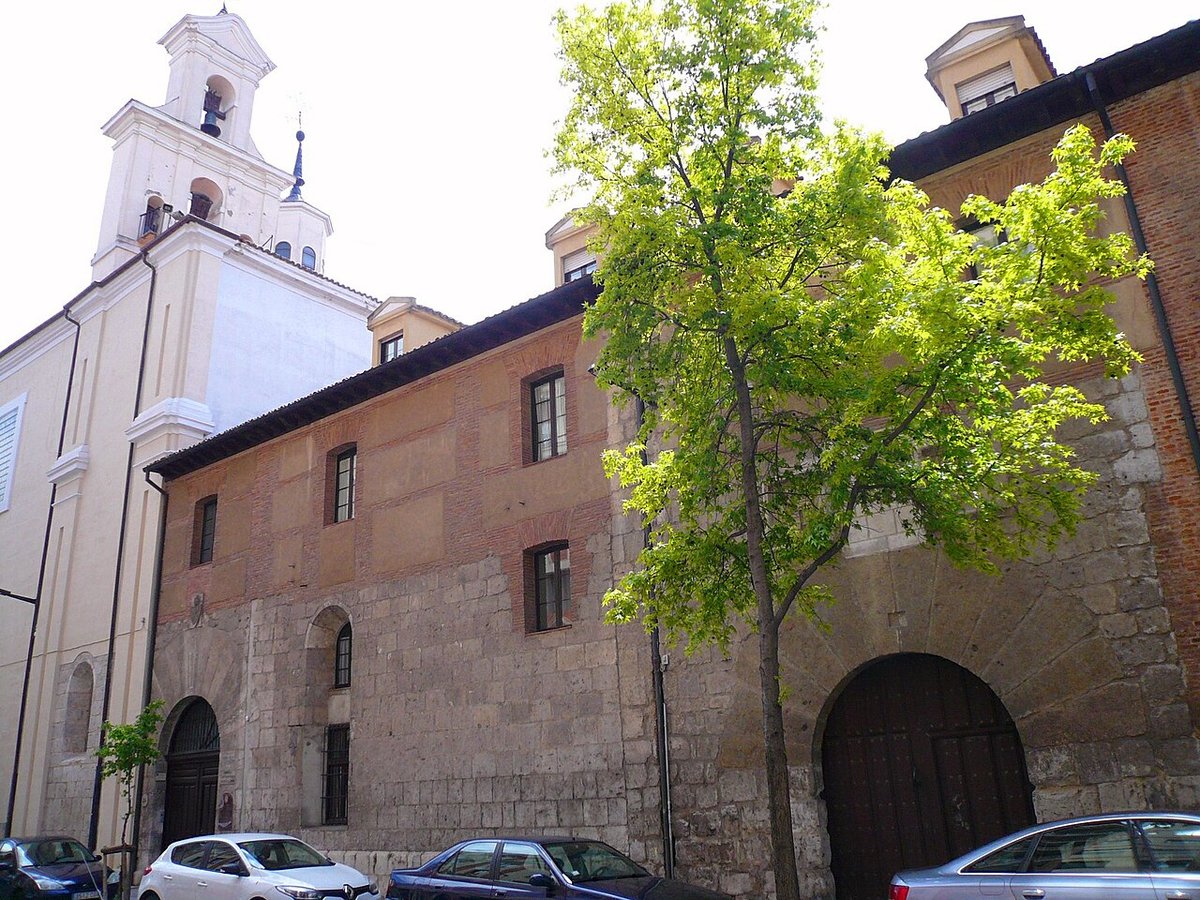
The parish church of San Pedro keeps its original Romanesque arch, but the tower was heightened after the 1853 earthquake; the new brickwork is a shade lighter, a calendar in stone. Inside, the air smells of candle wax and pine disinfectant. There is no admission fee; if the door is shut, ask for the key at the house opposite with the green persiana.
Tracks Used by Shepherds, not Strava
Walking starts immediately where the asphalt ends. The PR-TE-50 way-marked loop heads north along an old drove road to the ruined farm of El Carril; allow two hours and carry water—there are no fountains after the village pump. For something tougher, the unmarked ridge path to Gazuera (1,420 m) gives views clear to the Sierra de Javalambre, but the route fragments among game trails: download the GPX beforehand or follow the cairns and instinct.
Spring brings night frosts well into May, so early risers may find deer grazing among the almond blossom rather than hikers. Autumn is stable, warm by day, cold enough for a fleece at dusk; it is also mushroom season. Local etiquette is simple: pick only what you recognise, leave the small ones, and never park a 4×4 across the edge of a field—farmers still cut hay here for winter feed.
Food that Comes with its own Postcode
There is no restaurant. Eating means booking a table at the village social club (open weekends, phone 978 78 60 35—Spanish helps) or self-catering from the mobile shop that arrives Thursday morning. What you will taste depends on who is in residence: perhaps chuleton from a calf reared on the surrounding pastures, perhaps conejo al ajo cabañil, rabbit stewed with sweet paprika and a glass of rough red. Pudding is likely to be cuajado, ewe’s-milk junket sprinkled with pine-nut brittle.
If you are invited to a matanza in December, accept. Days are spent slaughtering, butchering and grilling; nights involve litres of clarete wine and cards played with a 40-pack Spanish deck. Bring a chorizo-sized gift—good olive oil, or British cheddar, which locals regard with amused suspicion.
When Silence is the Festival
Castejón’s patronal fiesta centres on 15 August. Emigrants return, tripling the population overnight. A marquee goes up in the plaza, a rock-covers band drives in from Calamocha, and teenage children who speak Valencia-accented Spanish chase each other round the church. At dawn on the 16th, a lone trumpet plays the Diana from the tower—either moving or eerie, depending on hangover level.
Winter is quieter still. Snow can close the A-1511 for half a day; the council tractor clears a single lane by mid-afternoon. Yet January sunlight on frosted rosemary smells better than any summer brochure, and the night sky—zero light pollution—delivers Orion close enough to touch. Bring chains or winter tyres, plenty of diesel, and a thermos.
Getting Here, Getting it Right
From the UK, fly to Valencia (two hours from London, plentiful seats out of season) then hire a car. The drive north-west on the A-23 and CV-190 is 160 km, about two hours after you clear the airport ring road. Another option is Zaragoza, served by Ryanair from Stansted, but Teruel’s own airport now receives some summer charters—worth checking if you hate motorways.
Roads once inside Aragón are empty but sinuous; allow a full tank and download an offline map—4G drops in every second valley. The last 9 km from Monreal del Campo climb 400 m; meet a truck on the wrong bend and someone is reversing.
Accommodation is limited. There are two village houses signed up as turismo rural: three bedrooms, wood-burning stoves, €90 a night for the entire place. Sheets cost extra, and you will be asked to take rubbish to the bins at the entrance—no collections here. Book through the provincial website or, more reliably, phone the ayuntamiento in Molinos (they share municipal services). Camping is tolerated along forest tracks if you leave no trace; open fires are banned March-October.
Leave the drone at home—locals value the sound of wind—and do not expect a souvenir shop. What Castejón de Tornos offers instead is ratio: more sky than people, more footpaths than cars, more slow minutes in a day than most itineraries allow. If that balance suits you, the village will still be there next century, give or take a tile or two.