Full Article
about Castejon del Puente
Ocultar artículo Leer artículo completo
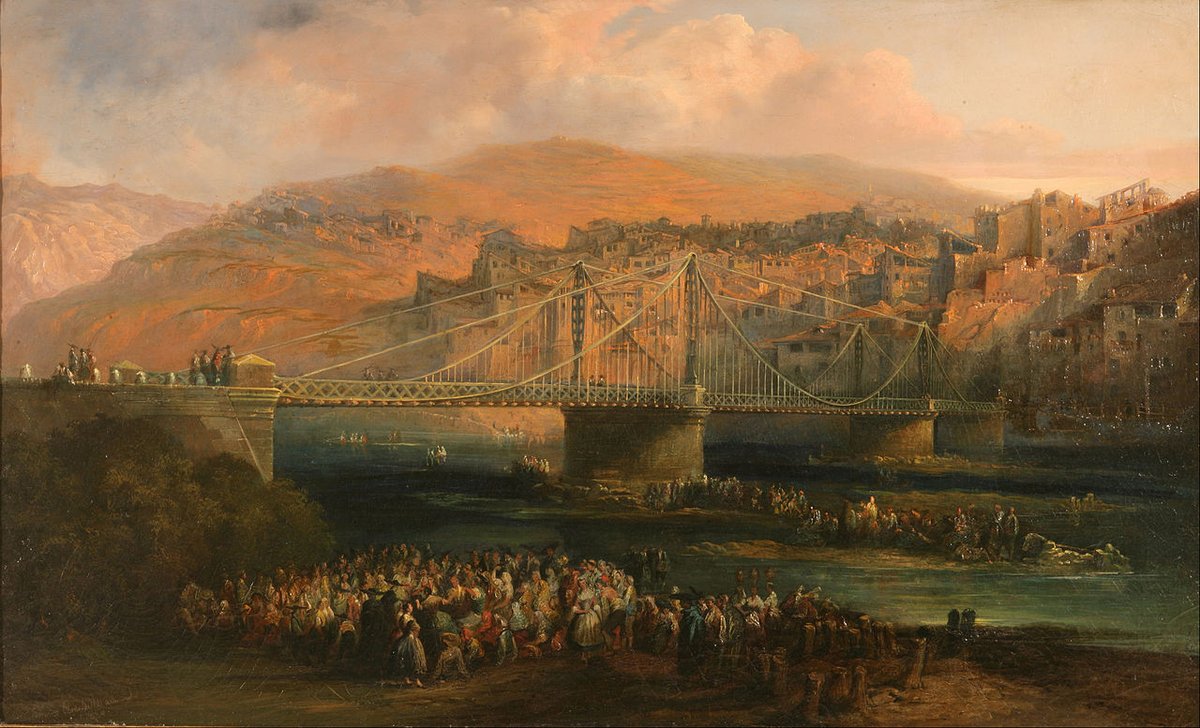
The first thing that strikes visitors to Castejón del Puente isn't the architecture or the views—it's the sound. Or rather, the absence of it. Standing on the village's modest bridge at midday, the only audible sounds are the Cinca River flowing beneath and the occasional click of bicycle gears as Dutch tourists freewheel past. This is rural Aragón at its most unfiltered, where 328 residents continue life at a pace that would seem glacial to anyone arriving from Zaragoza's bustling streets just an hour away.
The River Life
The Cinca dominates village geography and daily rhythm. Unlike many Spanish rivers that have been dammed into submission, this waterway still behaves naturally, swelling dramatically after Pyrenean storms and shrinking to reveal stony beaches during Aragón's fierce summers. Local children learn early which stones mark the safe swimming spots—the deeper pools near the rebuilt bridge offer refreshing relief when temperatures push past 35°C, though water shoes are essential for navigating the riverbed's slippery stones.
Morning sees elderly residents descending to the water's edge with washing baskets, maintaining a tradition that predates indoor plumbing. Their grandchildren arrive later, armed with inflatables and walkie-talkies, creating a scene reminiscent of 1950s Britain rather than modern Spain. The river beach lacks facilities beyond a basic changing hut, yet during July and August it attracts families from Barbastro who prefer its gentle currents to the crowded Costa Daurada beaches two hours east.
What Passes for a Centre
Calle Mayor stretches barely 200 metres from the church to the petrol station that doubles as the village's only consistent retail outlet. Here, agricultural supplies share shelf space with tinned goods and the occasional British biscuit selection box—legacy of a former expat owner who recognised homesick travellers' needs. The church, dedicated to San Pedro, reveals its evolution through mismatched architectural details: Romanesque foundations support Gothic additions and Baroque bell tower, each generation leaving their mark like geological strata.
Stone houses with wooden balconies line the narrow streets, their ground floors once stabling animals now converted into garages for Renault Clios and the occasional tractor. Painted numbers fade year by year—328 inhabitants becomes 319, then 312—as younger residents drift towards Huesca's opportunities. Yet those remaining maintain appearances with pride: geraniums overflow from window boxes, and Sunday mornings see elderly men polishing door furniture that predates their grandparents.
Eating Without Fuss
Food options remain refreshingly uncomplicated. Chill-Outdoor, run by Dutch expat Miriam and her Aragonese partner, occupies a converted garage opposite the river. Their menu changes daily depending on what arrives from local suppliers—perhaps goat's cheese salad using produce from a farm five kilometres away, or vegetarian burgers that have achieved minor Instagram fame among Barcelona weekenders. English is spoken without eye-rolling, and they'll happily adapt dishes for children who regard anything green with deep suspicion.
Beyond this oasis, choices narrow dramatically. Bar El Puente opens sporadically outside summer months—ring ahead to confirm, particularly if visiting outside Spanish eating hours. Their migas con uvas, fried breadcrumbs studded with sweet grapes, provides an excellent introduction to Aragonese peasant cooking. The ternasco de Aragón, milk-fed lamb roasted until spoon-tender, tastes mild enough for British palates weaned on Sunday roasts. Local Somontano wines, fruitier and less austere than neighbouring Rioja, cost embarrassingly little compared to British supermarket prices.
Self-catering proves more reliable. The Tuesday market in Binéfar, ten minutes' drive north, supplies excellent local produce: peppery olive oil from cooperative presses, almonds harvested from surrounding groves, and vegetables that still carry field soil. Stock up before arrival—Sunday closures here mean Sunday closures, not the British compromise of reduced hours.
Moving Through the Landscape
Walking tracks radiate from the village like spokes, following ancient routes between cereal fields and almond groves. The GR-45 long-distance path passes through, connecting with Barbastro's wine routes for those seeking lengthier hikes. More realistic for casual visitors is the three-kilometre circuit to Alberite de San Juan, following irrigation channels that predate Roman occupation. Spring brings almond blossom transforming the landscape into temporary snowdrifts, while autumn olive harvest sees tractors trailing clouds of dust along farm tracks.
Cycling enthusiasts favour the minor roads linking Castejón with neighbouring villages—traffic remains light enough for family groups, though summer heat demands early starts. The climb towards Castillazuelo provides decent thigh-burning exercise, rewarded by panoramic views across the Somontano region where Ebro Valley plains meet Pre-Pyrenean foothills. Mountain bikes handle the rough tracks; road cyclists stick to paved routes unless enjoying dental work vibration.
Timing Your Visit
Spring and autumn offer optimum conditions—temperatures hover around pleasant mid-twenties, and agricultural activity provides constant gentle fascination. February's almond blossom attracts photographers and Japanese tour groups who've discovered Somontano wines, though accommodation books quickly. Easter celebrations maintain genuine local flavour rather than tourist spectacle; processions involve entire families carrying standards sewn by grandmothers.
Summer brings fierce heat and the village's brief transformation into something approaching lively. The August fiesta sees population temporarily quadruple as emigrants return for long weekends. Temporary bars appear in garages, and the river beach hosts evening concerts where sound carries surprisingly far across water. Accommodation becomes scarce and expensive—book months ahead, or time visits for shoulder periods when you'll share facilities with agricultural suppliers rather than party-seekers.
Winter maintains its own austere beauty but limits activities significantly. The river becomes too cold for swimming, though hardy Dutch campers still appear with thermal wetsuits. Restaurants reduce hours further, and accommodation options shrink to two functioning casas rurales. However, log fires and empty walking paths reward those seeking genuine solitude—plus the satisfaction of discovering somewhere that hasn't been 'discovered'.
Getting There, Getting Away
Reaching Castejón del Puente requires wheels. Ryanair's Zaragoza flights from Stansted provide the most straightforward route—hire cars await at the airport, and the A-23 northbound delivers you to exit 322 within 75 minutes. Sat-nav users should note carefully: several Castejóns exist in Aragón, and selecting the wrong one adds hours to your journey. The final approach involves country roads where tractors have right of way; rushing locals will overtake on blind bends, so allow extra time and pull over frequently.
Public transport exists in theory—a twice-daily bus from Huesca reaches Binéfar, requiring taxi connection for the final stretch. However, services align with Spanish working patterns rather than British holiday schedules, making car rental virtually essential. The nearest railway station lies 25 kilometres away in Monzón, served by regional trains from Barcelona—fine if you're combining with city breaks, but requiring onward taxi travel.
Castejón del Puente won't suit everyone. Nightlife means watching stars appear above the church tower, and shopping options extend little beyond basic groceries. Yet for travellers seeking Spain unfiltered through tourist board presentations, this village offers something increasingly precious: the chance to observe rural life continuing regardless of visitor presence. Come prepared for simplicity, bring supplies and patience, and you'll discover why those 328 residents chose to remain while others left for city opportunities.