Full Article
about Celadas
Ocultar artículo Leer artículo completo
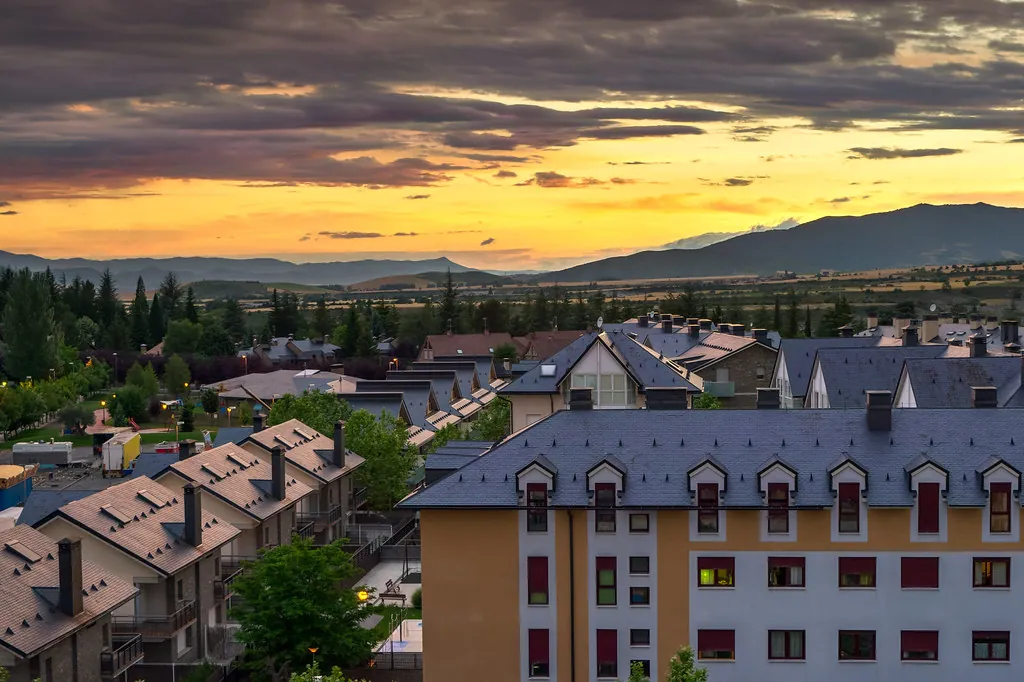
The church bell strikes noon, yet only three cars sit on the main street. At 1,119 metres above sea level, Celadas keeps its own timetable, one that has little regard for the rush that grips Spain's coasts or its regional capitals. Stone houses shoulder against the wind here, their grey roofs angled to shed winter snow that can cut the village off for days. This is not postcard Spain; it is the country that endures when the tour buses leave.
Stone, Sky and Silence
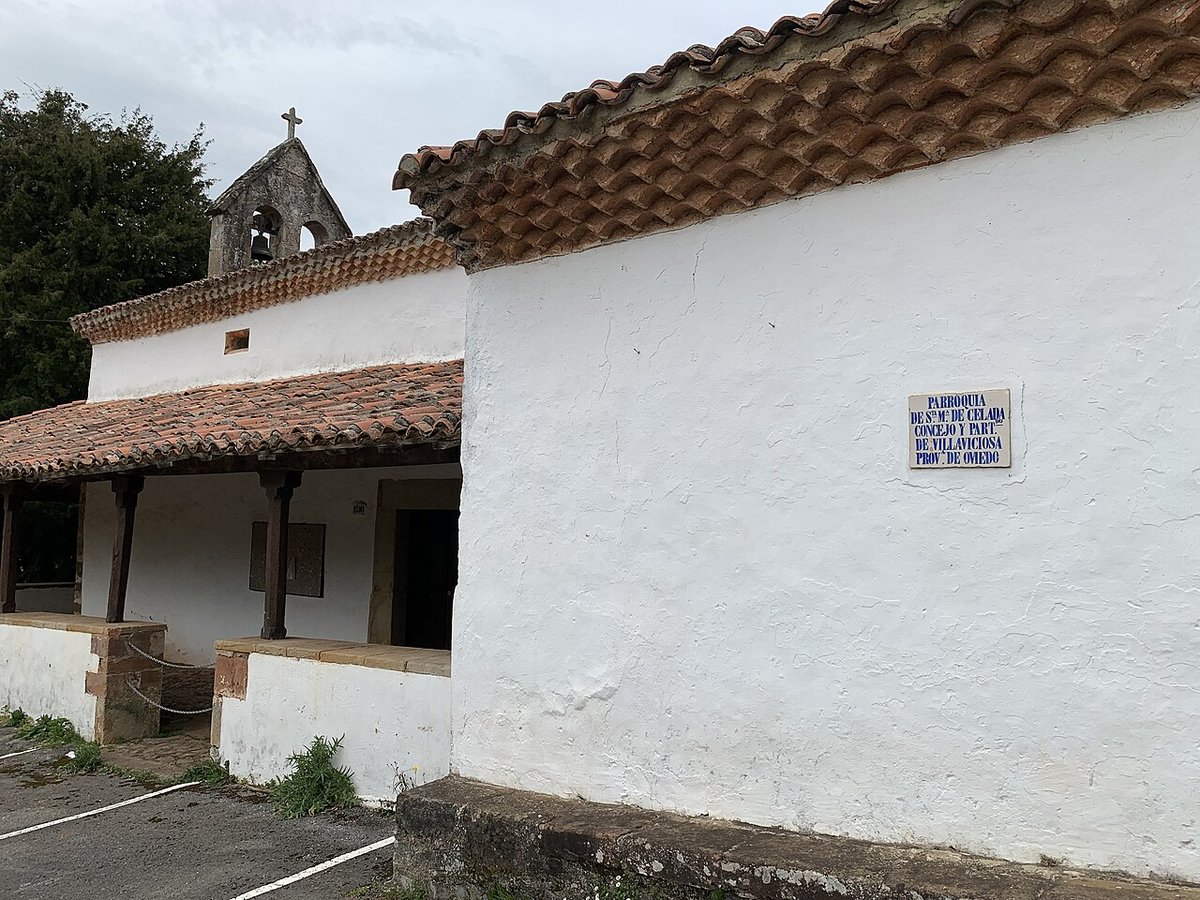
Walk uphill from the modest ayuntamiento and the village reveals itself in layers. First come the 1960s brick garages, then older houses built from the local limestone that fractures into rough rectangles. Iron balconies, painted green or left to rust, project just far enough for a flower pot or a chained bicycle. Nothing is curated for visitors; laundry still flaps above the lane that leads to the Iglesia de San Pedro Apóstol, the only building that demands more than a glance. Its squat tower, rebuilt after the 1939 war, holds a clock that loses two minutes each week. Inside, the air smells of candle wax and the cool plaster used to patch shell scars. The retablo, gilded in 1783, survived because the priest bribed Nationalist officers with two hams and a barrel of oil. That story is told, quietly, by the sacristan if you arrive before he locks up at 13:00.
Beyond the church, lanes narrow until they become footpaths. One leads to the cemetery where surnames carved into iron crosses—Molina, Laborda, Blesa—repeat on the nearby letterboxes. Another path drops past allotments where elderly residents hoe rows of potatoes, stopping only to wipe the altitude-thin air from their lungs. The horizon is never far away; fields of barley and durum wheat stop abruptly at pine plantations that cloak the gentle sierras. On clear days you can pick out the communications mast on Sierra de Cucalón, thirty kilometres distant, and gauge the weather by the colour it turns—white in approaching snow, blue in heat haze.
Trails that Remember Drovers
Maps sold in the village shop (open 09:00–13:00, 17:00–20:00 except Sunday afternoon) mark three circular walks. The shortest, 4.3 km, skirts the headwaters of the río Salce, a stream so modest that July reduces it to damp gravel. Stone walls along the path once guided mule trains carrying salt fish from Tarragona to Teruel markets; if you look closely you can still see bronze plaques stamped “1857” on the occasional milepost. Boot prints of weekend hikers from Valencia overlap the hoof scars, yet even on Easter Monday you will meet fewer than a dozen walkers.
A longer route, 9 km, climbs to the abandoned farmstead of Masada de las Vacas. The track rises 250 metres through holm-oak and juniper, levelling onto a windswept plateau where the stone basin of an old ice-house collects rain. Griffon vultures circle overhead, riding thermals that rise from the plain below. Bring water: the only fountain, 3 km out of the village, was capped in 2011 after arsenic levels from old mine workings tested three times the legal limit. A plastic pipe now dribbles potable water, but locals still fill bottles at the municipal tap in Plaza de la Constitución before setting off.
Bread, Wine and the Winter Exodus
Celadas supports one bakery, one butcher and a combined grocer-bar whose coffee machine hisses from 07:00 until the last dice game finishes at 22:30. The bakery’s wood-fired oven dates from 1924; on Fridays it produces coca de guiso, a rectangular dough topped with tomato and strips of pork belly, sold by weight. Arrive after 11:00 and you will queue behind grandparents collecting pre-orders stacked in brown paper. Prices feel stuck in another decade: a kilo loaf costs €1.20, a bottle of decent local garnacha €3.80 if you bring your own container to fill from the cask behind the counter.
Yet convenience has its limits. The nearest supermarket sits twelve kilometres away in Sarrión, and snow can make the road impassable. Younger residents leave for university in October and return only when the almond trees bloom; population drops below 250 in January. Houses with collapsed roofs are not ruins but futures waiting for sons or daughters who may never come back. British buyers attracted by €35,000 fixer-uppers learn that builders charge extra for the 90-minute drive from Teruel and that installing fibre broadband means negotiating with a farmers’ cooperative that still refers to the internet as “la wifi”.
Fiestas that Measure the Year
Festivity here follows the agricultural calendar, not the tourist. On the night of 16 August, villagers carry the statue of San Roque three times round the square before lighting a bonfire of grapevine cuttings. The fire must burn until the statue is returned at dawn; if it dies early, folklore claims the almond harvest will fail. Visitors are welcome to join the procession but should bring a jacket—night-time temperatures can dip to 12 °C even in midsummer—and expect to drink mistela, a mistelle so sweet it stains the plastic cups yellow.
The following morning, competition shifts to the plaza de toros, a temporary ring of wooden boards erected in forty minutes by teams of neighbours. Heifers, not fighting bulls, chase anyone brave enough to enter; the prize is a silk neckerchief and the right to parade in the evening dance. Tickets cost €5, sold from a kiosk that doubles as the post office counter. Health-and-safety officers from Teruel arrive, sigh, and note that helmets are still optional.
Getting There, Staying Sane
Teruel’s tiny airport receives no UK flights, so the practical route runs via Valencia. Hire a car at Manises, join the A-23 heading north, and turn off at junction 42 after 75 minutes. The final 29 km twist through stands of Aleppo pine; watch for wild boar at dusk. A single daily bus departs Teruel at 15:15, returning 07:00 next day, but it reaches the village too late for the bakery and too early for breakfast anywhere else.
Accommodation is limited. Casa Rual La Fuente offers three rooms above the old laundry, €55 a night including eggs from the owner’s hens. Heating is by pellet stove; instructions are in Spanish, but the matches sit on top. There is no reception—text your estimated arrival and the key appears under a flowerpot. Alternative beds lie in Sarrión, but then you miss the silence that rolls in after 23:00 when even the dogs decide the altitude warrants an early night.
Pack sturdy shoes, a fleece for every month except July, and a sense of patience. The village will not entertain you; it will absorb you, slowly, like the limestone absorbs the rain. When the wind drops and the stone walls release the day’s heat, you may understand why some of those who left still ask relatives to scatter their ashes here, high above the Mediterranean, where Spain narrows into sky.