Full Article
about Cervera de la Canada
Ocultar artículo Leer artículo completo
The morning bell strikes seven from the stone tower, yet only three tables are occupied at Bar Nuevo. Two farmers discuss barley prices over cortados; a teenage girl scrolls through her phone, thumb moving faster than the swallows outside. This is Cervera de la Cañada at weekday breakfast: 264 souls, 703 m above sea level, and silence deep enough to hear the grain dryers humming two streets away.
The Horizontal Cathedral
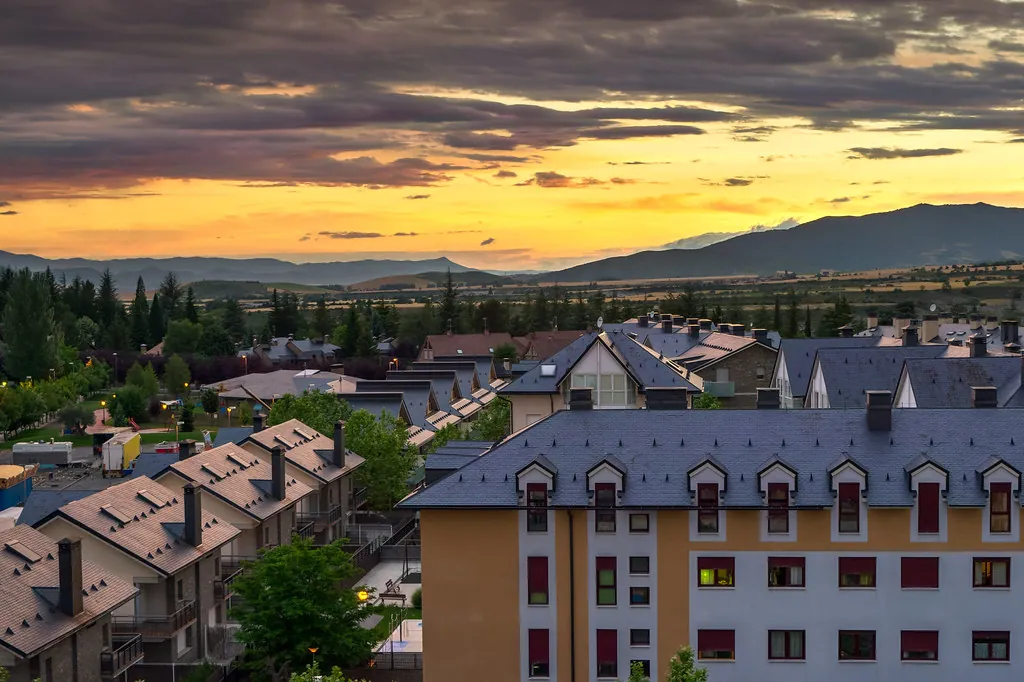
Aragón’s interior plateau stretches so wide that the horizon behaves like a wall. From the mirador beside the cemetery the land rolls out, bronze and biscuit-coloured, until it fuses with a sky that feels oversized for such a small municipality. No coast, no ski resorts, no motorways—just cereal fields that shimmer like sharkskin when the cierzo wind arrives. That wind can reach 80 kph in February; bring a scarf even if the thermometer claims 12 °C.
The village itself sits on a gentle rise, a defensive habit the Moors left behind. Streets are short and steep enough to make calf muscles complain, yet the total stroll from one end to the other is under eight minutes. Stone houses, the colour of weathered Stilton, shoulder against each other for shade. Timber eaves project like eyebrows, casting stripes of shadow that shift almost imperceptibly as the sun arcs. Notice the carved datestones—1634, 1761, 1899—each one a quiet boast that this place has been hanging on for centuries.
Parroquia de San Juan Bautista squats at the top, its Romanesque door recycled from an earlier mosque. Inside, the air smells of candle wax and old paper; retablos painted with cochineal and malachite gleam in the half-light. There is no ticket office, no audio guide, and often no one else. If the door is locked, ask for Ana María at the ayuntamiento opposite; she keeps the key between her post office duties and will let you in for nothing, provided you sign the visitor book printed on duplicate pads last updated in 1992.
Eating What the Fields Dictate
Forget tasting menus. Cervera cooks what the land yields: wheat, pork, lamb, chickpeas, saffron when the weather behaves. The only public dining room is the Bar-Restaurante Nuevo (Calle del Medio, 4; menú del día €12). Order the ternasco—milk-fed lamb roasted with garlic and bay until the fat edges caramelise—then chase it with migas aragonesas, breadcrumbs fried in chorizo oil and strewn with grapes that burst like hot balloons. Vegetarians get a plate of borrajas (borage) stewed with potato; it tastes faintly of cucumber and resignation. House wine arrives in a glass rinsed with aguardiente; locals insist it sterilises, though it probably just improves the flavour. If you need coffee afterwards, the machine switches off at 16:30 sharp—don’t argue.
Self-caterers should visit the Saturday morning bread van (10:00–10:45 by the church) or drive 18 km to Calatayud’s Mercadona before noon. The village shop closed in 2018; the nearest petrol pump is 24 km away in Alhama de Aragón—plan accordingly.
Walking the Dry Ridges
Three waymarked paths start from the olive press on the western edge. The shortest (5 km, yellow waymarks) loops through almond groves to a ruined corral where storks now nest in the rafters. Mid-March blossoms photograph well against the clay, but the track turns to glue after rain—normal footwear suffices in summer, boots essential in April. The longest route (12 km, white-green waymarks) climbs to the ridge of Cerro de la Nevera, gaining 300 m. From the summit you can spot the Moncayo massif 70 km east, snow-capped until late May. Carry at least a litre of water; there is no shade and the only spring marked on the 1:50,000 map dried up years ago, something the elderly gentleman at the bar will tell you only after you’ve set off.
Birders arrive in April for Calandrella brachydactyla—the short-toed lark—skylarking above the fallow. Bring a scope: birds here are wary, a legacy of generations of hunters. Dawn starts at 06:15; by 09:00 thermals make identification through shimmering air almost impossible.
When the Village Decides to Wake Up
August turns the calendar upside-down. The population triples as cerveranos return from Zaragoza, Madrid, even Manchester. The fiestas patronales honour the Virgen de la Blanca with processions that squeeze through streets never intended for brass bands and drones. Night-time temperatures hover at 22 °C; locals sleep on balconies and visitors struggle to find a spare patch of shadow. Book accommodation early—there are precisely six rental rooms in the entire village, two with en-suite bathrooms, none with air-conditioning. Expect firecrackers at 07:00 and again at midnight; earplugs are not negotiable.
Winter brings the opposite problem. January highs of 8 °C feel colder when the cierzo slices across open fields. Heating is by butane bottle; apartments charge €3.50 per day for an extra heater. Snow is rare but possible—if it falls, the access road from the A-2 is cleared within 24 hours, yet the steep final kilometre can defeat summer tyres. Carry chains or wait it out with the farmers in the bar; they’ll teach you mus, the local card game, and let you buy the next round of chupitos.
Getting Here, Getting Out
No train line, no bus on Sundays. Monday-to-Friday, Autobuses Zaragoza-Calatayud line 202 stops at the junction 3 km below the village at 08:10 northbound, 18:05 southbound—€6.40 to Zaragoza, exact change only. From Calatayud high-speed station (AVE) it is 70 min to Madrid-Puerta de Atocha; fares start at €24 if booked a month ahead. Driving from Bilbao takes 3 h 30 m via the AP-68 toll road (€29.60); from London it is a 14-hour haul via Calais, Burgos and the A-2, so break the journey in Logroño where hotel rooms average €65. Petrol is cheaper on the motorway than in the village, fill up before the final climb.
If you leave Cervera before sunrise, the headlights pick out rows of stubble that look like corduroy. The sky reclaims its dominance, bruised purple at the horizon, then suddenly the whole plateau flushes gold. It is the same view the Romans saw, the Moors saw, the 264 current residents see every morning. No entrance fee, no closing time—just a reminder that some parts of Spain refuse to hurry for anyone, even the traveller who has driven halfway across Europe to stand very still and listen to the wind combing through wheat.