Full Article
about Cerveruela
Ocultar artículo Leer artículo completo
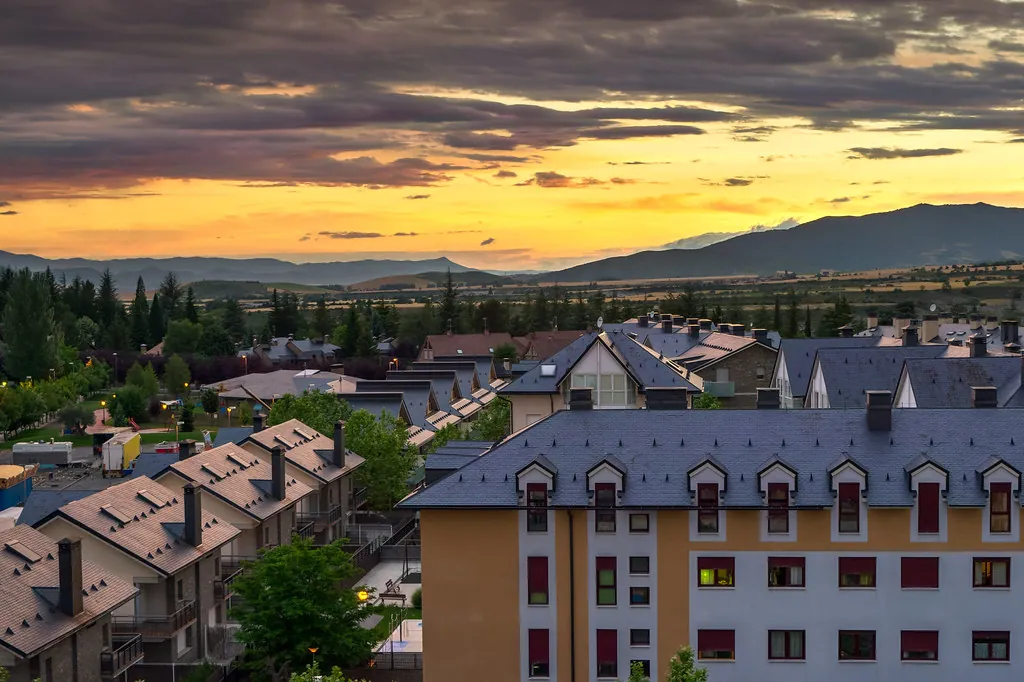
The church bell tolls twice at noon. Nothing else moves. A single swallow traces the ridge-line of the 816-metre hill, then drops into the cereal fields that roll away like a tawny carpet. Thirty-nine permanent residents—yes, you will probably meet them all if you linger for coffee—have learned to trust that hush. In Cerveruela, quiet is the main attraction, and it costs nothing.
Stone, Adobe, and the Art of Keeping Warm
Houses here grew from the ground they stand on. Local limestone walls, adobe bricks sun-baked on site, and roof tiles the colour of dry earth lock together so tightly that winter draughts still respect them four centuries later. Look for the stone crosses carved above door lintels—folk talismans against lightning that pre-date the baroque belfry of Nuestra Señora de la Asunción, the village’s only skyline punctuation. Inside that church, a 16-century pine pulpit is painted the same ox-blood red used for branding sheep; the priest who commissioned it paid half in silver, half in lambs.
Outside, rock-cut wine presses gape like dark mouths along Calle Bajada. They once served share-croppers who paid rent in grapes to the Knights of St John; today their fermentation vats make atmospheric picnic nooks, but pack a cushion—limestone gets cold even in May.
Walking Without Way-marks
Cerveruela issues no glossy trail maps, and that is deliberate. Farm tracks simply peel off the tarmac, wriggle between ancient holm oaks, then vanish over the brow of a hill. For a half-day loop, head south-east past the last irrigation tank until the wheat gives way to broom and rosemary. Follow the stone terrace wall; after 35 minutes it swings left, drops into a shallow ravine, and spits you out on a ridge where buzzards use the up-draughts like free public transport. The town of Daroca appears as a pale smudge 14 km south; the Pyrenees float on the northern horizon only when Saharan dust stays home.
Bring water—there are no fountains once the cereal belt ends—and remember the Spanish rule of thumb: if you can still see village roofs, you haven’t walked far enough for lunch. Temperatures swing hard at this altitude; a 25 °C afternoon in April can flip to frost by dawn, so stash a fleece in even the smallest day-pack.
What Passes for Night-life
Evenings revolve around Bar La Plaza, the single lamp-lit room that doubles as grocer, post office and gossip exchange. Draft beer arrives in straight glasses, not tulips, and tapas are whatever Carlos the owner has just defrosted—perhaps garlicky mushrooms or spicy patatas. Speak no Spanish? He’ll open Google Translate on the bar tablet and swivel it round like a lazy-Susan of goodwill. Prices hover at €1.80 a caña; the house red, decanted from a plastic drum behind the counter, costs €2 and tastes better than logic allows.
Meals run late. Order before 21:00 and you’ll dine alone; families with toddlers routinely sit down at 22:30. Vegetarians struggle—ham is viewed as seasoning rather than meat—but a plate of grilled vegetables (request “a la plancha, sin jamón”) can be rustled up if you ask while Carlos still has the stove on. Carry emergency oatcakes if fibre matters; white bread is the default side dish for everything, including salad.
The Calendar No One Prints
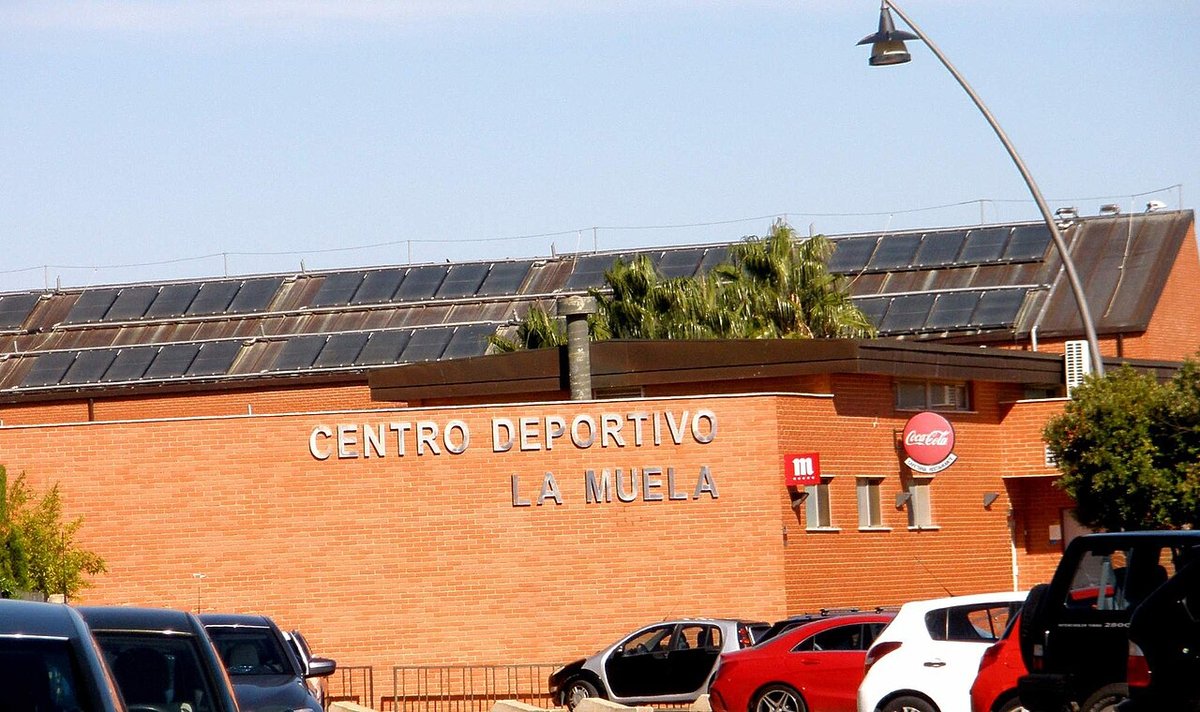
Mid-August turns the whisper into a murmur. Former residents who left for Zaragoza factories in the 1970s return, pitching canvas awnings in front of ancestral homes and inflating the head-count to roughly 200. The fiesta programme is photocopied A4 taped to lamp-posts: Friday night, mass followed by a foam party in the concrete polideportivo; Saturday, communal paella at 15:00 sharp, judged by grandmothers armed wooden spoons the size of oars. Visitors are welcome, but you’ll be expected to buy raffle tickets for next year’s fireworks fund—€5 is polite.
Easter trades volume for solemnity. A drum band from Daroca leads a silent procession; hooded penitents carry an ivory statue of Christ the width of the lane, the only moment when traffic stops—though “traffic” usually means one tractor and a stray beagle.
Getting There, Staying Elsewhere
Cerveruela sits 90 km south of Zaragoza airport, itself a 2 h 20 min hop from London-Stansted on Ryanair outside school-holiday peaks. Hire cars are essential; the last bus Daroca ran in 1996. Take the A-23 towards Teruel, exit at 252, then snake along the Z-220 for 8 km. The final approach is single-track—reverse into field gateways if a grain lorry appears.
Accommodation within the village is theoretical: one booking site lists “Casa Rural el Campano” at £45, but the phone often rings unanswered. Safer beds lie in Daroca (20 min drive), where the four-room Hotel Oasis hits £60 including garage parking—useful because rural car theft, while rare, is awkward to report in a place without a police station.
When to Bail Out
Avoid July’s furnace weeks; the thermometer kisses 38 °C by 15:00 and shade is rationed. Mid-winter brings sapphire skies but snow can seal the access road for 48 h—chains live in every farmer’s 4×4, not in rental Clios. The sweet corridor is 15 April-31 May and 15 September-15 October, when thymes release their scent after night rain and you can walk all day on a 200-calorie breakfast of coffee and churros.
If clouds roll in, don’t despair. Heavy skies force everyone indoors, turning the bar into a pop-up sociology seminar: retired shepherd, Dutch bird-watcher, Madrid biology teacher on sabbatical. Order another beer, accept the bowl of chorizo, and practise your subjunctive. The village has no museums, no gift shops, no audio-guides—only people who will tell you, slowly and clearly, why they would not live anywhere louder.
That is Cerveruela’s pitch. It offers nothing beyond space, silence and someone to pour the wine—but for some travellers, that absence is the entire point.