Full Article
about Cetina
Ocultar artículo Leer artículo completo
The church tower strikes noon as a farmer in a mud-splattered 4×4 unloads feed sacks outside Bar La Plaza. Inside, the barman is already flipping the sign to cerrado. Within five minutes the single traffic light on the main drag blinks to amber, then off. Cetina’s daily shutdown has begun; if you haven’t ordered lunch yet, you won’t eat until half-past seven.
A horizon of grain and silence
Cetina sits on the edge of the Calatayud plain, 80 km south-east of Zaragoza, where the land flattens into an ocean of wheat, almonds and sun-browned stubble. There is no dramatic gorge, no olive-covered hill—just big sky and the 16th-century Mudéjar tower of San Juan Bautista rising above terracotta roofs like a stone exclamation mark. The landscape changes weekly: luminous green after spring rain, gold by June, then a patchwork of ploughed umber once the harvesters have passed. British drivers who leave the A-2 for a breather often find themselves pulling over simply to listen; the silence is so complete you can hear larks turning overhead.
The village proper is three streets wide and five long. Stone houses alternate with brick façades painted the colour of diluted mustard; some have been restored with London-bright front doors, others slump gently behind iron balconies sprouting geraniums. One cottage displays a 1996 Calendario Rioja in its kitchen window, sun-faded to ghostly blues. Nothing is postcard-perfect, which is why the place feels alive rather than pickled.
Half an hour of architecture, a lifetime of stories
You will read that the tower is “worth the detour”. It is—provided you accept that the visit lasts thirty minutes, not half a day. The lower half is 12th-century Romanesque, the upper levels added two hundred years later in brick-and-terracotta Mudéjar style; the patternwork looks like someone pressed giant cookie cutters into wet clay. The door is kept locked. Knock at the vicarage (bell marked Vicaria) or ask in the bar; a woman named Pilar usually appears with a key the size of a croquet hoop. Inside, the single nave smells of candle wax and damp stone; the altarpiece is gilded, flaking, and utterly unlit. Climb the 76 steps and you emerge onto a narrow parapet with 360-degree views: cereal plots stretching to the Soria border, the Pyrenees a faint white comb on the northern horizon when the cierzo wind has scrubbed the sky clean.
Back at ground level, follow the lane that dips behind the church. You’ll pass a medieval grain store propped on mushroom-shaped pillars—now a garage for a Fiat tractor—and the old washing trough where village women still scrub rugs on Saturdays. There are no interpretation boards, no audio guides, just the smell of bleach and wet stone to tell you the trough is in use.
Closed on Mondays, open on trust
Cetina’s rhythm is agricultural. Breakfast finishes at 10:30, lunch is 14:00 sharp, and everything—including the chemist—shuts from 14:00 to 17:00. Monday is the weekly void: even the bakery pulls down its shutters. Plan accordingly. If you need cash, fill your wallet before you leave the A-2; the nearest ATM is 15 km away in Calatayud and the village bars can’t always take cards.
For food, choices are limited but honest. Bar La Plaza does a thick tortilla española sandwich (€3.50) and decent coffee that won’t remind you of Heathrow departures. Restaurante El Vergel, on the road out towards Villarreal de Huerva, offers a three-course menú del día for €14; expect roast lamb or simple grilled chicken, plus a quarter-litre of local tinto. Service can drift into the mañana category—bring a book. The nearest supermarket is a family-owned ultramarinos that stocks UHT milk, tinned asparagus and, mysteriously, one shelf of British shortbread left over from Christmas 2022.
Walking without way-markers
The country lanes around Cetina are unsigned but impossible to lose. Head south past the cemetery and you’re on the old calzada that once took mule trains to Teruel. After 40 minutes the tarmac gives way to a dirt track; wheat turns into almond terraces and the land folds gently towards the Jalón river. In late February the trees flower so suddenly that overnight the hills look like they’ve been dusted with icing sugar. Cyclists appreciate the loop west to Paracuellos de la Ribera—24 km of empty secondary road with one serious hill and views across a canyon of ochre limestone. Take two water bottles; there are no fountains between Cetina and the next village.
A bed for the night—if you pack a liner
Accommodation is scarce. The municipal albergue (€12) has eight bunk beds, a spotless shower and a kitchenette, but you must bring a sleeping-bag liner and be out by 10:00. Keys are fetched from the town hall, which closes at 14:00, so don’t roll up at siesta time. Two rural cottages have been converted into self-catering lets; expect stone walls, beams you’ll bang your head on, and Wi-Fi that works only when the wind blows from the east. Book ahead during Calatayud’s wine festival (second weekend of April) when half of Zaragoza descends for tastings.
When to come—and when to stay away
Spring and early autumn are kindest. In May the thermometer hovers around 22 °C and the night air smells of broom and wet earth. September brings the grape harvest; farmers stack red tempranillo crates outside their gates and the roads are sticky with juice. July and August are furnace-hot—37 °C is routine—and the village’s only public swimming spot is a concrete balsa (irrigation tank) 3 km out, frequented by frogs and the occasional snake. Winter is bright but brutal; the cierzo can whistle through at 70 km/h and central heating is optional in cheaper rentals.
Quiet hours, loud fiestas
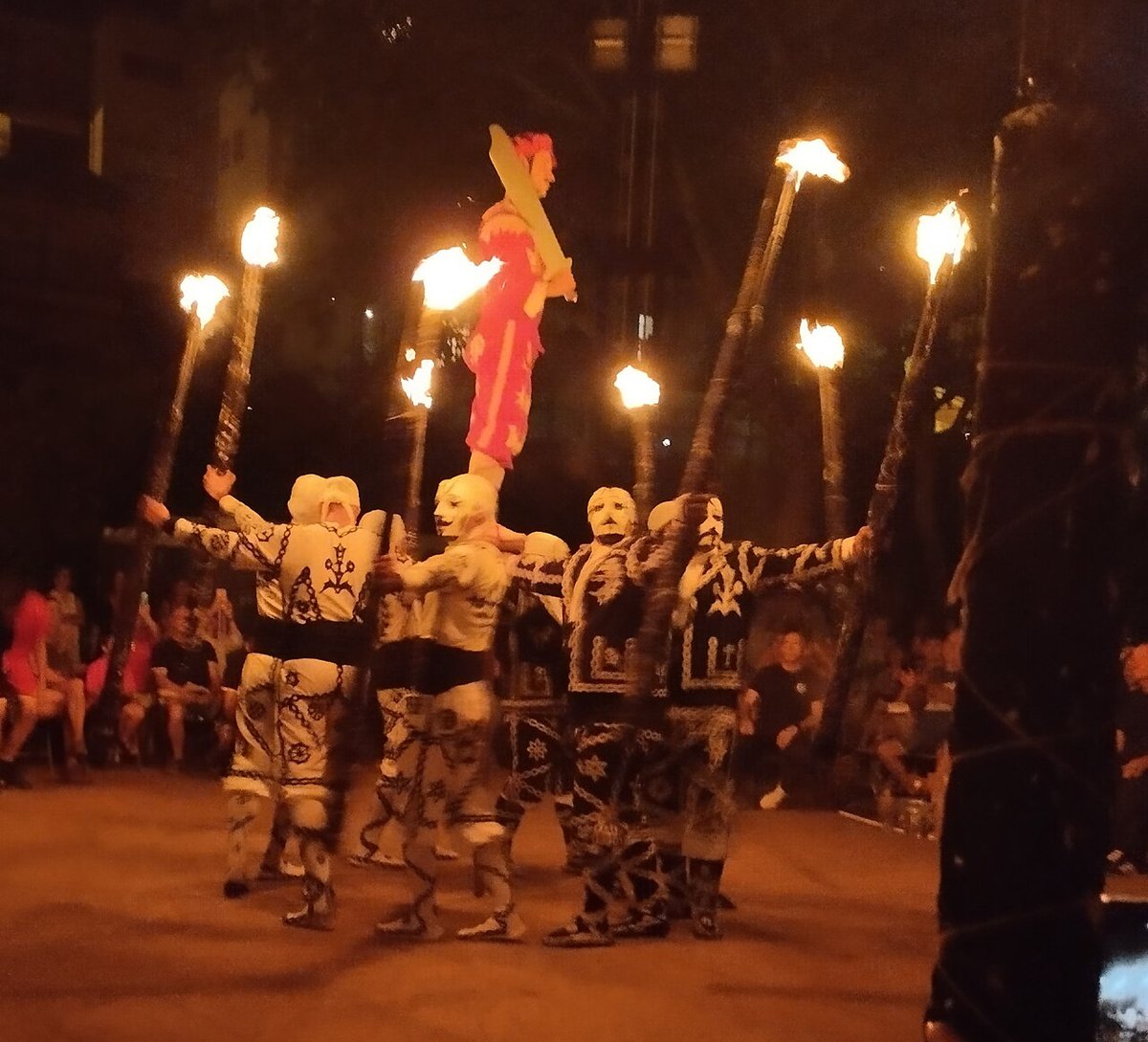
For 360 days of the year Cetina goes to bed at 22:30. Then, on the first weekend of August, the population quadruples. The fiestas patronales begin with a procession behind a brass band that has clearly started drinking at lunch; by midnight the square is a thicket of fold-up chairs and grandparents dancing the jota. A foam machine turns the street into something resembling a Ibiza toddler party, except the foam smells of beer. If you crave silence, arrive a day either side; if you want to see Aragón let its hair down, book early.
Last orders
Cetina will never make the cover of a glossy Spain guide. It has no beach, no Michelin star, no souvenir teatowel. What it offers instead is a calibration check for anyone who thinks rural Spain has vanished. Stand by the church at dusk when the swallows turn circles above the tower and a tractor rumbles home with its lights on full beam; you’ll realise the village isn’t frozen in time—it simply refuses to hurry. Come for the tower, stay for the stillness, leave before Monday shuts the bar.