Full Article
about Cimballa
Ocultar artículo Leer artículo completo
The church bell strikes eleven, and only six people hear it. Three are in the bar, one's pruning almond trees, another's fixing a stone wall, and the last is you—wondering if Google Maps has made a terrible mistake. At 904 metres above sea level, Cimballa barely registers on most maps of Aragón, yet here it stands: 86 souls clinging to a ridge in the Sistema Ibérico, stubborn as the holm oaks that claw the limestone.
Drive in from Calatayud and the approach tells the story. First the motorway, then the national road, then something that barely qualifies as asphalt. The final five kilometres twist through dry-stone terraces where wheat fights for space with wild rosemary. Park by the stone trough at the entrance—there's no other option—and you'll realise the village ends almost before it begins.
Stone, Silence, and Sudden Views
Cimballa's main street runs exactly 200 metres from the church to the last inhabited house. Count them: twelve doorways, seven with flowerpots, three with dogs that bark only when the wind changes. The houses wear their centuries openly—lumps of ochre limestone mortared with river sand, timber beams blackened by a thousand cooking fires. Peek through an open gateway and you'll spot the classic Aragonese layout: stable below, living quarters above, a tiny courtyard where peppers dry on strings.
The Iglesia de San Pedro keeps its oldest secret round the back. Part of the apse dates to the 12th century, though the tower is 18th-century swagger, built after lightning split the original. Push the south door at 6 p.m. on Saturdays and the sacristan's wife will show you the Romanesque capital reused as a holy-water stoup—leaves and volutes worn smooth by seven hundred years of fingertips. Services are at noon on Sundays; expect six parishioners and a priest who drives over from Mara.
Walk twenty paces past the church and the ground drops away. Suddenly you're staring across the Jalón valley to the Moncayo massif, 80 kilometres distant and snow-capped half the year. The ridge falls so steeply that swallows fly below eye level. On a clear evening the air smells of almonds and hot pine; on a stormy one you can watch weather systems march across the plateau like armies.
Tracks for Boots, Not Buses
There are no signed trails, no visitor centre, no bike hire. What exists is a lattice of farm tracks that farmers still use, and they don't mind sharing. Head east on the path that leaves from the cemetery gate and within thirty minutes you're among wheat circles and olive groves, with only crested larks for company. Keep going and you'll reach the abandoned hamlet of Los Almunias—roofless houses, a threshing circle, fig trees run wild. Return via the ridge for views back to Cimballa's bell tower, a stone exclamation mark against the sky.
Spring brings the real spectacle. From late February to mid-March almond orchards explode into pink-white foam, turning every hillside into a pointillist canvas. Frost can wipe out the display overnight, so check the forecast before you set off. April substitutes yellow broom and purple phlomis; May carpets the verges with poppies so red they seem to hum. Summer is harsh: 35 °C by noon, cicadas drilling the air, shade worth more than gold. Autumn softens everything again, the grain stubble golden, migrant hawkers gliding on thermals, nights cool enough to warrant a jumper.
Don't expect refreshment stands. Pack water and a picnic, or time your walk to finish at the only bar—Casa Félix, open Thursday to Sunday, 11 a.m. until the last customer leaves. A caña costs €1.20, a plate of local cheese €4. They'll make you a tortilla sandwich if you ask before the cook heads home at three.
When the Village Throws a Party
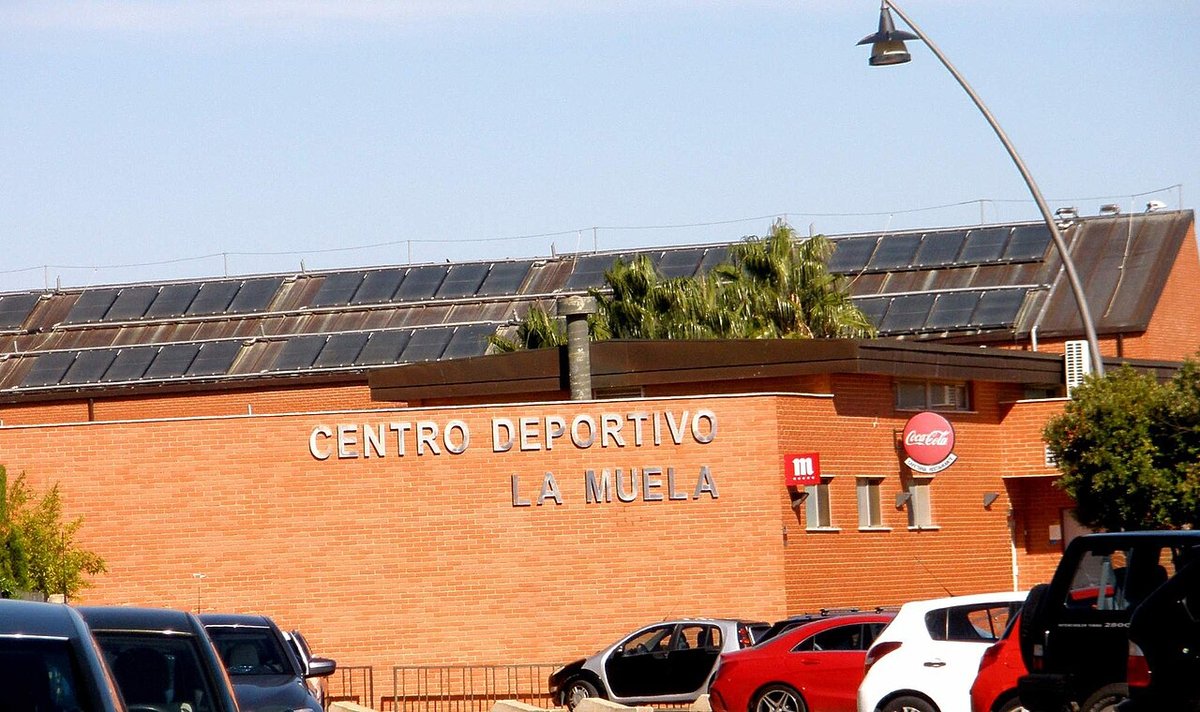
Go during fiestas and the arithmetic flips: 86 residents swell to 400, maybe 500. The main bash is the segundo fin de semana de agosto, when ex-villagers return from Zaragoza, Barcelona, even Birmingham. Friday night starts with a communal paella cooked in a pan two metres wide; bring your own spoon. Saturday sees the procession of San Ramón, the priest juggling incense while teenagers film him on phones. At midnight a cover band plays 1990s rock in the square until the amplifiers blow. Sunday finishes with a foam party in the polideportivo—essentially a tennis court flooded with fairy liquid and hose water. If that sounds exhausting, visit instead for the almond blossom weekend in March: guided walks, tastings of almond cake, and no foam in sight.
Winter is a gamble. Snow usually arrives for a day or two in January, turning the access road into a toboggan run. The council spreads grit, but not quickly; if you're renting, consider chains. On the plus side, the air is so clear you can pick out the telecommunications mast on Moncayo with naked eyes, and the village belongs only to itself again.
Beds, Bread, and Backup Plans
Accommodation? There isn't any. The nearest hotel is in Calatayud, 28 kilometres west—a 25-minute drive on a good day, forty if the tractors are out. Hostal El Cid has doubles from €55, decent wi-fi, and a restaurant that understands vegetarian requests mean more than tortilla. In Cimballa you sleep in converted village houses booked through the regional tourism board: expect stone walls, wood-burning stoves, and complete silence after ten. Prices hover around €80 a night for two, minimum stay two nights. Bring groceries; the village shop closed in 2013 and the bread van calls only on Tuesdays.
Mobile coverage is patchy. Vodafone works on the upper square, Orange needs you to stand on the church steps, O2 forget it. Download offline maps before you leave Calatayud, where there's also the last petrol station. Electric-car drivers will find no chargers; the closest is in Ariza, 19 kilometres north.
Worth the Detour?
Cimballa offers no souvenir shops, no Instagram hotspots, no epiphany moments. What it does offer is a calibration of scale: how small a community can be and still function, how quiet the world gets when traffic and tourism fall away. Some visitors leave after an hour, unnerved by the stillness. Others stay all afternoon, hypnotised by the wind combing through almond branches and the distant clang of goat bells. If you measure travel by tick-box attractions, skip it. If you're content to sit on a stone wall, watch red kites circle, and realise you've forgotten what day it is, Cimballa is waiting—just don't tell everyone.