Full Article
about Cinco Olivas
Ocultar artículo Leer artículo completo
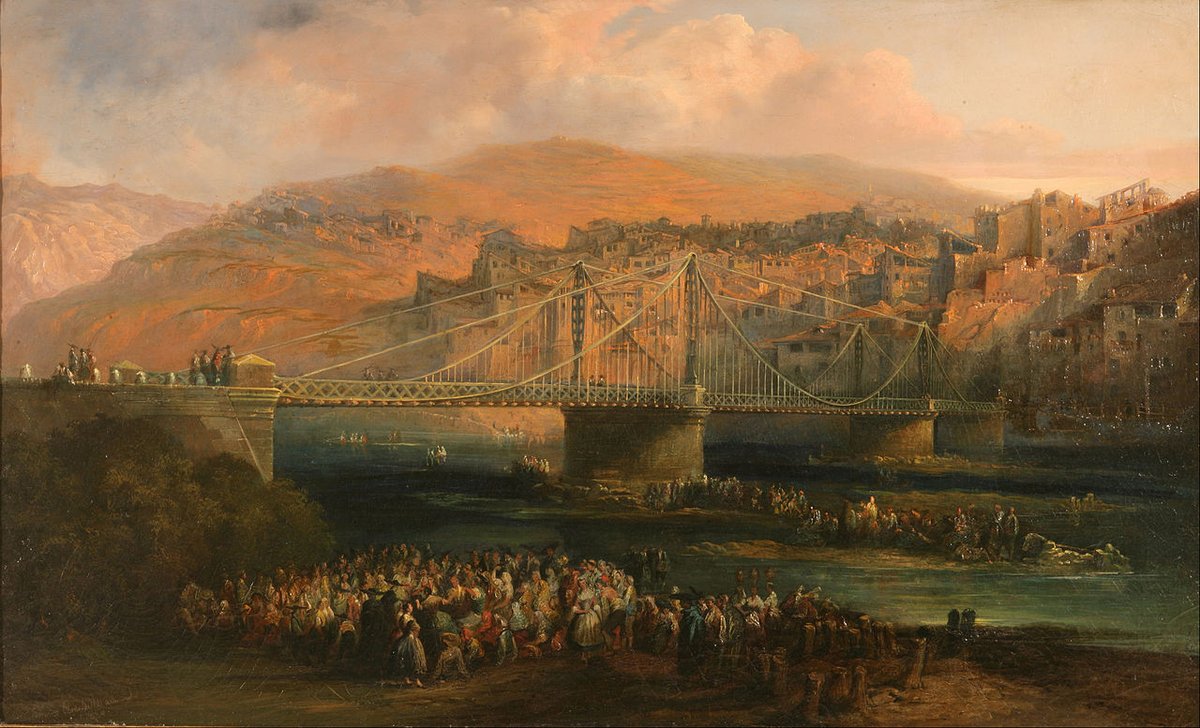
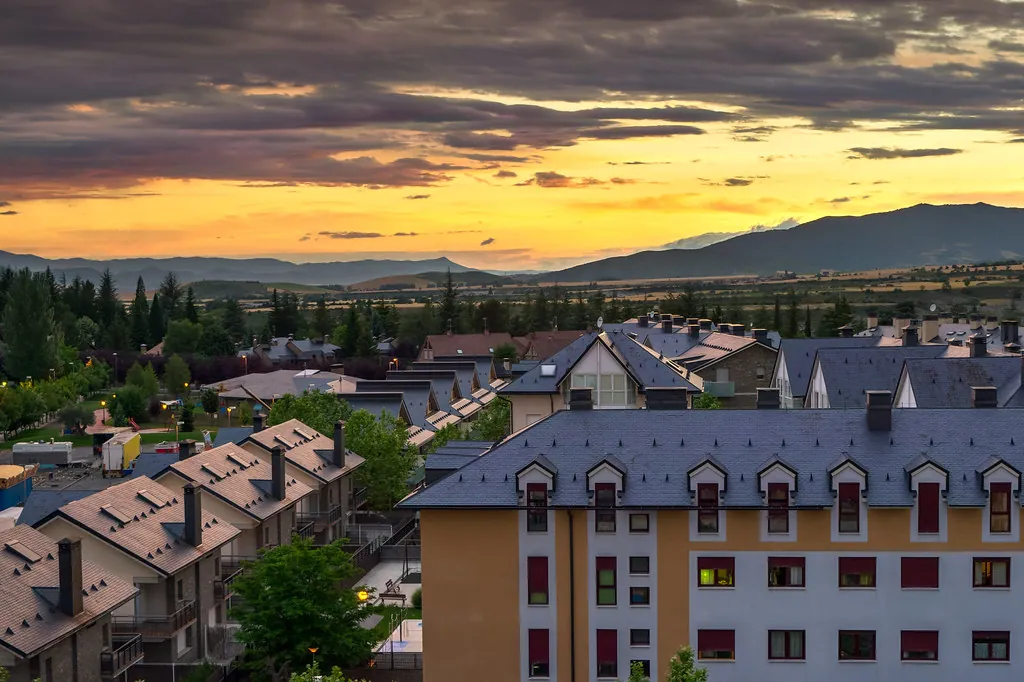
The river Ebro makes a perfect ox-bow around Cinco Olivas, so from the air the village looks like a green comma punctuating 200 kilometres of flat cereal fields. Down on the ground it feels even smaller: four streets, one church tower, 110 neighbours and a single bar that doubles as village noticeboard. If you arrive after the harvest, the smell of new barley dust hangs in the air and the only traffic jam is two tractors arguing about who should reverse.
This is not the Spain of tour operators. No souvenir shops, no evening paseo of foreign voices, nobody trying to sell you a timeshare. What you get instead is a working corner of Aragon where the day is fixed by irrigation turns and the price of pig feed is discussed as avidly as the football. Turn up with a few words of Spanish and the place opens quickly: an invitation to watch olives being pressed, a glass of cloudy homemade wine, directions to the river path where kingfishers flash between the reeds.
The Loop of Water and Land
Cinco Olivas sits 161 metres above sea level on a low bluff inside the Ebro’s meander. The river is the village’s thermometer: when it runs high in April the fields stay green well into June; when it drops early, farmers worry about tomato quotas. A dirt track follows the inside of the bend for six kilometres, shaded by poplars and tamarisk. Early mornings bring egrets and the odd osprey; after sunset you hear wild boar rustling in the cane. Bring repellent in July—the mosquitoes breed in the ox-bow ponds and they haven’t learned about Brexit.
Kayaks can be launched from a concrete slipway 500 metres south of the church. The current is gentle enough for beginners, but keep an eye on the irrigation sluices: open them and the water level drops half a metre in twenty minutes. No hire outlet exists in the village; arrange boats in Zaragoza or ask at the bar—Manolo keeps two ageing sit-on-tops behind the patio and will rent them for €20 a day if he likes your face.
Bread, Oil and Ham at 21:00 Sharp
Food options are limited and honest. The pool-bar (open May-Sept) serves grilled pork loin, tomato salad thick with local olive oil, and ice-cold Estrella de Galicia for €2.50 a pint. Kitchen shuts at 21:30 sharp; arrive later and you’ll get crisps and sympathy. Sunday lunchtime features migas—breadcrumbs fried with chorizo and grapes—cooked by whoever drew the short straw on the fiesta committee. If you’re self-catering, stock up in Alagón fifteen minutes away; the village shop closed in 2018 and the nearest supermarket is a Mercadona on the Zaragoza ring road.
Buy a half-litre of oil from the cooperative at the north end of town and you’ll be handed an unlabelled plastic bottle that tastes of green tomatoes and pepper. This is arbequina with a dash of empeltre, pressed within forty-eight hours of picking—better than anything on UK shelves at three times the price. A polite request of “¿Puedo ver la prensa?” usually earns a quick tour: stainless-steel tanks, conveyor belts shaking olives from the branches, the low hum of centrifuges. Photography is fine, but don’t expect gift-wrap.
Flat Roads, Big Sky
The countryside around Cinco Olivas is table-top flat, scored by irrigation channels that glint like silver rulers. Cyclists can follow the Via Verde del Ebro south-east to Quinto (18 km) or north-west past Velilla towards the ruins of a Roman quarry. Surfaces are compacted gravel, fine for hybrids; road bikes will moan about the occasional cattle grid. There’s no bike hire in the village, so throw your own in the hire car at Zaragoza airport—Ryanair charges £35 each way if booked early.
Walkers should aim for the acequias at dawn when the mist lifts off the water and the only sound is the click of irrigation valves. A figure-of-eight route heads south from the church, crosses the Aragón canal by a wooden footbridge and returns along the riverbank. Total distance 7 km, zero gradient, storks on every telegraph pole. In October the path smells of crushed grapes; farmers dump the skins here after pressing, and the mix of alcohol and damp earth is oddly comforting.
When the Village Swells
August fiestas honour the Assumption and double the population for three days. A fairground ride the size of a lorry appears overnight, the bar runs a temporary tap on the patio and teenage cousins who left for Barcelona suddenly reappear with new tattoos. Processions start at 20:00 to avoid the 38-degree heat; expect brass bands that sound faintly like a New Orleans funeral and fireworks that would trigger a Health & Safety inquiry back home. Book a room early—there are exactly six rental flats above the old olive mill, €60 a night with ceilings thick enough to muffle the drums.
Olive harvest in November is quieter but more instructive. Families spread nets under the trees and beat the branches with long canes; tractors towing metal cages rumble past at walking pace. Visitors are welcome to help for an hour, after which you’ll be fed toast drizzled with oil so fresh it stings the throat. Bring old clothes—arbequina sap stains like iodine.
Getting There, Getting Out
Zaragoza airport receives Ryanair from London-Stansted (2 h 05 min). Hire cars live in a cabin opposite the terminal; paperwork takes ten minutes if you pre-register your licence. Take the A-2/AP-2 towards Barcelona, leave at junction 295, follow the N-211 past Fuentes de Ebro and turn right onto the Z-502. Total drive 55 minutes, toll €7.40. The last five kilometres are single-track but paved; mind the tractors pulling wide cultivators at dusk.
No bus has entered Cinco Olivas since 2012. Taxis from Zaragoza cost €90—more than a day’s car hire. Petrol appears at Quinto (18 km) or on the airport roundabout; fill up before you arrive because the village pump closed when the owner retired.
Mobile coverage is patchy inside the river loop; Vodafone roams to 3G if you stand on the church steps. Download offline maps and tell your bank you’re travelling—ATMs don’t exist and the bar’s card machine expired during lockdown.
Leave Before the Cierzo?
Winter brings the cierzo, a wind that barrels down the Ebro valley at 60 km/h and flattens the grass against the soil. Daytime highs drop to 10 °C, nights hover just above freezing, and the sky turns the colour of polished pewter. Most visitors flee south, but photographers love the emptiness: furrowed fields stretching to a razor-sharp horizon, poplars rattling like dry bones, the smell of woodsmoke drifting from chimneys. Accommodation stays open—owners live here anyway—and you’ll have the river path to yourself, save for a lone heron watching the current.
Stay long enough and someone will ask why you came. Answer honestly—“para descansar”—and you’ll probably receive a parting bottle of last year’s wine, the label still damp from the printer. It won’t be life-changing, whatever that means, but it will taste of somewhere specific.