Full Article
about Contamina
Ocultar artículo Leer artículo completo
The Village That Time Forgot to Erase
Thirty-one souls. That's all that remains in Contamina, a stone hamlet hovering above the cereal fields of Aragon's interior. From the A-2 motorway, you'd never know it exists—just another bump in the landscape between Zaragoza and Madrid. But take the turning at kilometre 204, drive fifteen minutes through wheat and vineyards, and you'll find something Britain lost centuries ago: a village that refuses to become a museum piece.
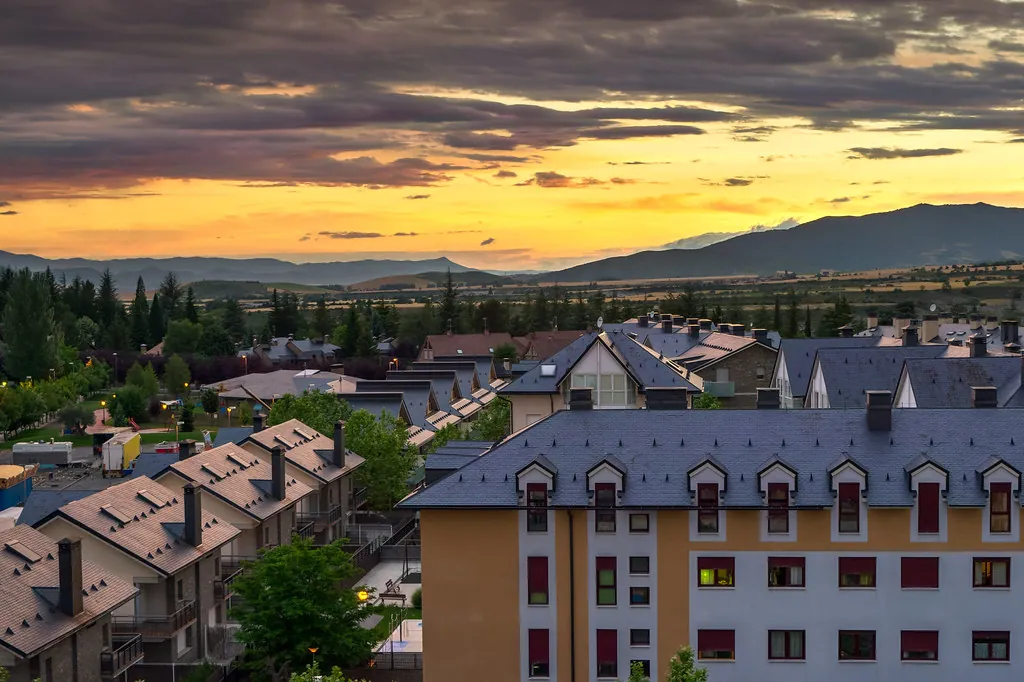
The approach road climbs gently. Stone walls appear first, then terracotta roofs, then the squat tower of the parish church—no architectural marvel, just a practical building that's served its community since records began. At 750 metres above sea level, Contamina sits high enough to catch the breeze but low enough to avoid the harsh mountain weather that isolates villages further north in the Pyrenees.
Stone, Silence and Survival
Walk the main street at midday in August and you'll understand why Spaniards invented the siesta. Heat radiates from stone walls built centuries before air conditioning. Narrow lanes barely wide enough for a donkey now accommodate the occasional 4x4, its mirrors folded in to squeeze past houses that lean together like old friends sharing secrets.
The architecture tells Spain's rural story without sentimentality. Some houses stand empty, their wooden doors padlocked against time. Others show recent restoration—new roofs, fresh whitewash, the telltale signs of weekend residents from Zaragoza or Madrid. The permanent residents, mostly pensioners, maintain the rhythms their grandparents knew. You'll find them at dusk on plastic chairs outside their front doors, watching the light change over fields that stretch to horizons unbroken by motorways or shopping centres.
The church of San Pedro occupies the highest point, not from religious grandeur but practical defence. Its bell still marks the hours, though now it's automated rather than pulled by hand. Inside, simple frescoes peel gently from walls that have witnessed baptisms, weddings and funerals for families whose names appear on every house in the village register.
Working Countryside, Not Chocolate Box Views
Contamina's setting won't feature on postcards. This isn't the Spain of flamenco and orange trees. The landscape surrounding the village reflects centuries of agricultural pragmatism: wheat, barley and almonds planted in soils too thin for more demanding crops. Vineyards appear in scattered patches, their gnarled bush vines producing the garnacha grapes that find their way into Calatayud's increasingly respected wines.
The absence of organised walking routes initially frustrates hikers accustomed to Britain's well-marked footpaths. But the old farm tracks connecting Contamina to neighbouring villages remain active—used by farmers, hunters and the occasional dog walker. Follow the track northwest for twenty minutes and you'll reach Valdealegre, population twelve. Continue south and the land drops towards the Jalon valley, where irrigated orchards create sudden green corridors through the dry landscape.
Spring brings the most dramatic transformation. From late March through April, green wheat creates waves across the hillsides, punctuated by blood-red poppies. By June, the colour drains to gold as harvest approaches. Autumn offers softer tones—ochre fields, yellowing almond leaves, the occasional flash of green from a surviving vineyard. Winter strips everything back to essentials: brown earth, grey stone, white sky.
What You Won't Find (And Why That Matters)
No gift shops. No restaurants. Not even a bar. Contamina's lack of visitor facilities isn't oversight—it's honesty. This remains a working village where tourism ranks somewhere below fixing the church roof and getting the harvest in. Bring water and provisions from Calatayud, fifteen kilometres away. The nearest proper meal requires driving to Paracuellos de la Ribera or continuing to Calatayud itself, where Mesón del Gallo serves traditional Aragonese specialities from £12-18 per person.
The village's fiesta happens in mid-August, when second-home owners return and the population swells to perhaps 150. Simple processions, communal meals in the square, children playing football in streets that belong to them for three days. December brings the matanza—pig slaughter—though this traditional practice happens behind closed doors now, following EU regulations that sit oddly in kitchens where great-grandmothers once worked.
Getting There, Staying Sensible
Contamina makes no concessions to car-free travel. Public transport doesn't reach this corner of Aragon—no buses, no trains, not even a taxi rank. Hire a car in Zaragoza (Hertz and Avis both operate from the airport) and allow 75 minutes driving time. The final approach involves narrow roads where meeting a tractor means reversing 200 metres to the nearest passing place.
Accommodation options within the village itself don't exist. Stay in Calatayud at the Hotel Cienbalcones (doubles from £65) or drive out from Zaragoza, where Hotel Sauce offers central rooms from £55. Visit between April and June or September and October for comfortable walking temperatures. July and August bring fierce afternoon heat—plan morning exploration, then retreat to Calatayud's air-conditioned museums during the midday furnace.
The Reality Check
Contamina challenges Britain's romantic notions of rural Spain. No tapas bars spilling onto sun-drenched plazas. No guitar music drifting through jasmine-scented evenings. Just stone, silence and the stubborn persistence of people who refuse to let their village die completely.
Yet something here resonates, particularly for Britons accustomed to countryside preserved for weekend visitors rather than lived in generation after generation. The village's honesty proves refreshing—no heritage centre explaining how people once lived, because people still live this way. Their numbers dwindle each decade, but while they remain, Contamina stays real.
Drive away at dusk and the village shrinks in the rear-view mirror, stone walls glowing briefly in the setting sun before disappearing into the vast Aragonese landscape. You'll have spent perhaps two hours in a place that's taken five centuries to become what it is today. Whether that's time well spent depends on what you seek from rural Spain—the performance or the reality.