Full Article
about Cosuenda
Ocultar artículo Leer artículo completo
Dawn over the vines
At 06:30 on a September morning the thermometer already nudges 18 °C and the only sound in Cosuenda is the clatter of trailer hitches. Tractors edge out from stone barns, headlights carving pale tunnels through Cariñena mist, while pickers in long sleeves set off on foot between rows of garnacha tinta. By 08:00 the first lorry of the day will have rumbled down Calle Mayor, bound for the cooperative press in neighbouring Muel. This is how the village has started its working day since 1942, when the bodega opened, and the ritual still feels more important than any alarm clock.
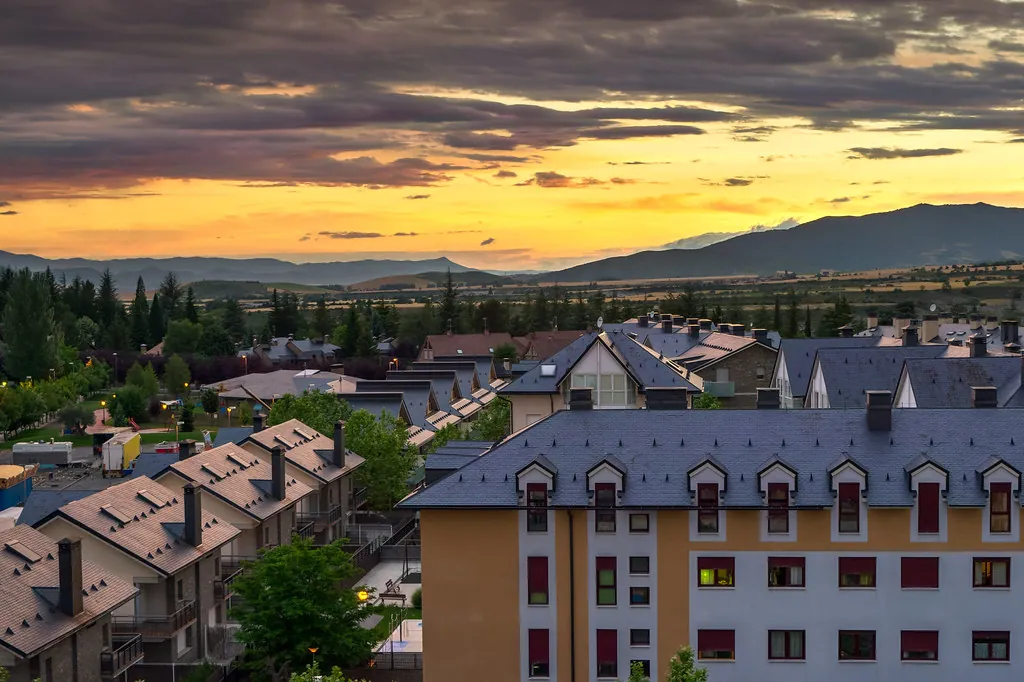
The pace never really quickens. Cosuenda sits at 630 m on the southern lip of the Ebro valley, high enough for the air to cool after sunset yet low enough for the sun to beat hard. Summers are dry, winters sharp, and the wind known locally as the cierzo can rip through at 60 km/h, flattening cereal stalks and rattling the corrugated roofs. Rainfall averages barely 350 mm a year—ideal for vines, less so for anyone hoping for lush green photos. What you get instead is an earthy palette of ochre, rust and silver-green sage that shifts with the seasons and looks oddly cinematic under a big sky.
One street, two bars, a church and a pool
The village needs only twenty minutes on foot. Calle Mayor runs for 300 m from the stone washing-fountain to the 18th-century church of San Pedro Apóstol, whose squat tower serves as the local compass. Alleyways peel off between houses built from the same clay-coloured stone used for field walls; most are single-storey with wooden eaves, a few rise to two floors and sport the wrought-iron balconies that British eyes expect of Spain. There is no souvenir shop, no guided tour office, not even a cash machine—locals drive to neighbouring Villanueva de Huerva for that.
What Cosuenda does have is a municipal swimming pool open July to August (€2 entry, Tuesday-Sunday) and two bar-restaurants that double as social clubs. La Marmota, on the main drag opposite the bakery, serves grilled lamb—ternasco de Aragón—chips and basic salads. House red from the Cariñena co-op costs €2.40 a glass, arrives at cellar temperature and tastes better after a morning on the surrounding tracks. The second bar, Casa Hermi, opens only at weekends unless you phone ahead; inside, the television plays Spanish farmers’ news and the menu depends on what Juan’s mother felt like cooking.
Walking the harvest trails
You do not come here for monuments. The reason to stay is outside the village, on the dirt grid that links vineyards, olive groves and almond orchards. Most tracks are wide enough for a tractor and perfectly walkable; gradients are gentle, shade non-existent. A circular route of 7 km leaves the cemetery gate, dips into Barranco de la Matilla, then climbs past a ruined stone hut to a ridge that gives a 30-km view back towards the Moncayo massif. Early morning or late afternoon are the sensible choices—at midday between June and August the thermometer regularly tops 35 °C and the only living things moving are harvesting machines.
If you prefer proper way-marking, drive ten minutes to the Sierra de Algairén. The PR-Z 23 loop starts among almond terraces and cork oaks, ascends 400 m to an abandoned watchtower and returns through the hamlet of Valdellín. The entire circuit takes two and a half hours; boots are sensible but not essential after May once the mud has baked hard.
Wine without the sales pitch
Cosuenda forms part of the Cariñena Denominación de Origen, one of Spain’s oldest wine regions yet rarely mentioned on British shelves. Most production is handled by the cooperative in Muel, where visitors can turn up without appointment Monday-Friday, taste three reds and two whites for €3 and buy bulk Rioja-style crianza at €4.50 a bottle. The co-op shop will refill a five-litre plastic container for €7 if you remembered to bring one; if not, they sell the container too. English is patchy, so prepare to point and smile.
Private bodegas within a 15-minute drive include Bodegas Paniza and Grandes Vinos, both of which offer booked tours in English for €12-€15 including a generous pour at the end. The surprise is the cariñena grape itself—thick-skinned, high in tannin, capable of inky colour and peppery kick that feels closer to northern Rhône than to Tempranillo. September brings the Fiesta de la Vendimia in nearby Alfamén; coaches of German photographers turn up, yet you can still park within 200 m of the grape-stomping barrel.
When to come, where to sleep
Spring and early autumn give warm days and cool nights without the furnace heat of July. Late April carpets the fallow fields with crimson poppies; mid-October turns the vines scarlet and the almonds gold. Winter is bright but brisk—night frost is common and the pool is closed, yet hotel prices in the province drop by a third.
The only accommodation inside the village is Casa Rural Natura, a three-bedroom self-catering house with small pool, barbecue and roof terrace overlooking the bell tower. Expect to pay €90-€110 a night for the whole house, less if you stay a week. The owners live in Zaragoza and meet guests on arrival; they speak enough English to explain the Wi-Fi code and where to dump the bins. Alternative lodges cluster around neighbouring Villanueva de Huerva, but a car remains essential—public transport is limited to one school bus at 07:45 and nothing at weekends.
The honest verdict
Cosuenda will never feature on a Spanish postcard rack. There is no dramatic plaza mayor, no castle on a crag, no Michelin-listed chef reinventing migas. What the village offers instead is a front-row seat to a working agricultural calendar: tractors at dawn, the smell of diesel and crushed grapes, elderly men in blue overalls discussing rainfall over cañas at ten in the morning. Visitors looking for nightlife, shopping or even a cash point will be happier in Zaragoza, 55 minutes away. Come here if you want to walk quiet tracks between vineyards, drink decent wine at supermarket prices and fall asleep to the sound of silence rather than disco beats. Bring sturdy shoes, a hat and a phrasebook—then let the harvest set your timetable.