Full Article
about Cuarte de Huerva
Ocultar artículo Leer artículo completo
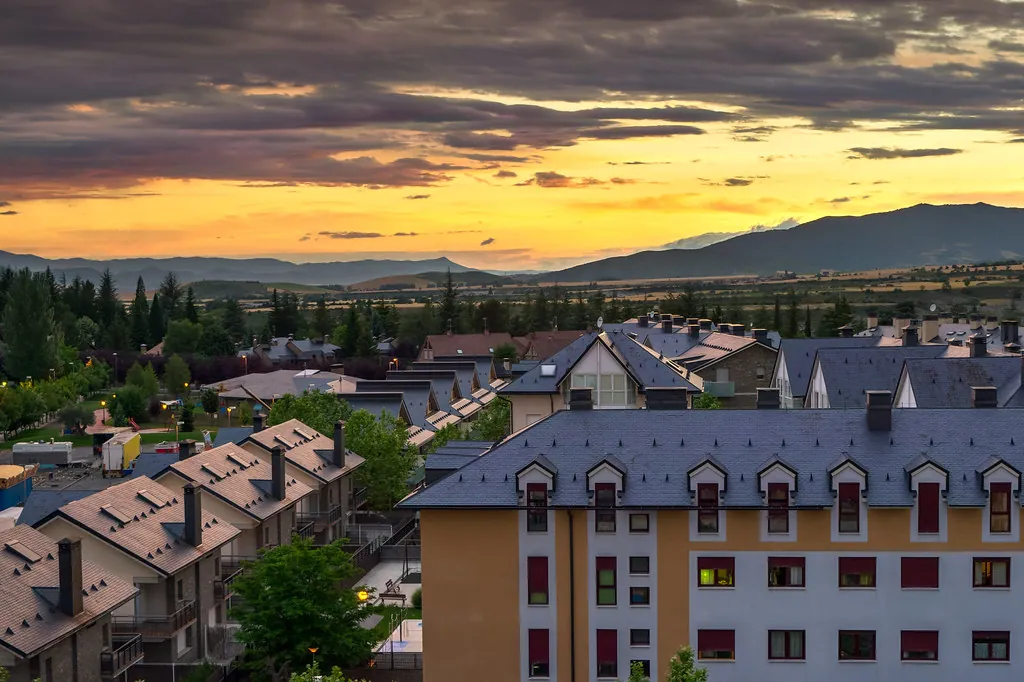
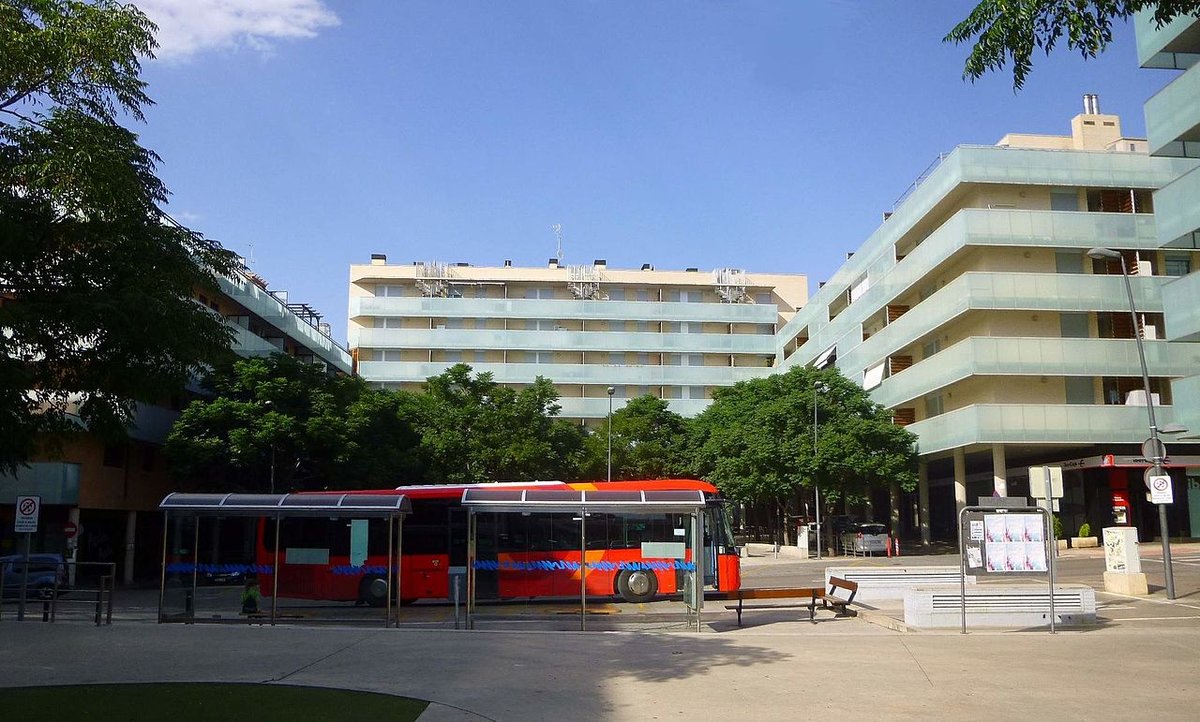
The 7:15 bus from Zaragoza drops you beside a petrol station, not a medieval archway. That's your first clue Cuarte de Huerva isn't pretending to be anything it's not. At 299 metres above sea level, this satellite settlement sits low enough to dodge winter snow but high enough to catch the evening breeze that drifts down the Huerva valley. The air smells of diesel, irrigated lettuce and, on Thursdays, roasting coffee from the bulk supplier behind the polígono.
Most British visitors race past on the A-23, bound for Teruel's mountains or Valencia's coast. Those who pause usually need petrol or a toilet, yet fifteen minutes on foot reveal why 5,000 people choose to sleep here rather than in Zaragoza proper. Rents are lower, parking is free, and the riverbank still grows vegetables instead of advertising billboards.
What the Old Maps Left Behind
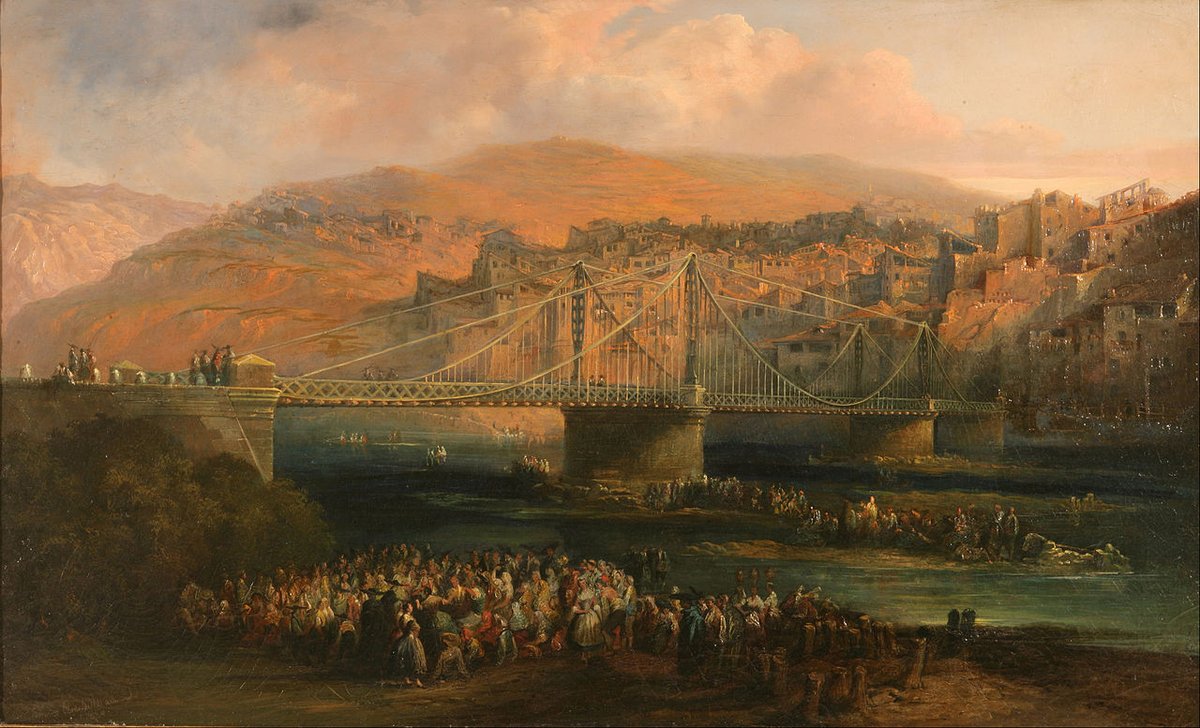
A short loop from the modern parish church of Santa Cruz—built in 2003 after the older San Jorge cracked in the 1990s—takes you along Calle Mayor. Here the original village grid survives: two-storey houses with wooden balconies, the odd wrought-iron sign for a long-closed blacksmith, and a plaque marking where Republican positions held out for three days in 1938. The historical bit is done in ten minutes; there's no castle, no Renaissance palace, not even a crumbly Moorish wall. What you get instead is the lived-in scruffiness of a place that expanded too fast to polish its past.
Walk south-east and the tarmac surrenders to farm tracks. The Huerva itself is barely a river—more a muscular irrigation ditch—but poplars and tamarisks give shade, and herons stand on the opposite bank like bored security guards. A 30-minute out-and-back stroll starts at the football ground, follows the water to the ruined molino, then dumps you back beside the N-330. Spring brings ox-eye daisies and the smell of cut alfalfa; in October the vega flashes green against parched steppe beyond. Summer walkers need to start early; temperatures touch 38 °C by eleven and the only shelter is an abandoned fruit kiosk plastered with MotoGP stickers.
Eating Without the Fanfare
British motorcyclists discovered Cuarte years ago because the hotels accept late check-in and the restaurants don't close at 22:00. Restaurante Nero on Calle Zaragoza still does the €12 menú del día that built that reputation: soup or salad, grilled pork with chips, and a half-bottle of wine that tastes better after 400 km on a bike. Vegetarians can request escalivada—smoky aubergine and pepper—though you'll need to ask in Spanish; laminated English menus don't exist. Opposite the church, Cafetería El Parque opens at 06:30 for workers heading to the city. Their toasted ham-and-cheese bocadillo and a café con leche costs €2.80 and passes for breakfast when you've overdosed on olive oil elsewhere.
Friday is market day on Plaza España. Stallholders shout prices in rapid Aragonese, but pointing works. Seasonal fruit costs half city prices; last autumn a kilo of pomegranates went for €1.20. There's no artisanal cheese, no organic sourdough—just what local growers need to shift before the weekend.
Two Wheels and a River
The flat lanes south of town form part of the Cicloruta del Huerva, a 28-km loop that links Cuarte with Villamayor and Muel. Hire bikes aren't available, so bring your own or rent in Zaragoza and take the train to nearby Casetas. The surface alternates between cracked concrete and gravel; skinny road tyres suffer, but anything above 32 mm copes fine. Wind can be brutal on the return leg when the cierzo picks up in the afternoon.
If you prefer boots to pedals, two way-marked footpaths strike out from the cemetery. PR-Z 54 hugs the river for 6 km to a Roman bridge that isn't Roman—just an 1890s rebuild—but the kingfishers don't care. PR-Z 55 cuts across cereal fields to the ruins of a 16th-century watchtower, now a home for storks. Both routes are level, shadeless and best attempted March-May or September-November. Summer sun is relentless; in winter the wind whistles across the steppe and the Huerva shrinks to a muddy trickle.
Fiestas Without the Pamplona Crowds
San Jorge on 23 April turns one street into a mini-fair. A brass band marches at 12:00, children chuck confetti, and someone wheels out a dragon fashioned from a tractor chassis. Evening brings a community paella cooked in a pan two metres wide; locals pay €4 for a paper plate, visitors are waved in if they bring their own spoon. The October Rosario fills Plaza España with marquees selling honey and handicrafts, plus a bar tent dispensing claras—lager with lemon—at €2 a plastic cup. Neither event makes international lists; that's precisely why you can stand at the bar without being trampled by selfie sticks.
Getting There, Getting Out
Ryanair's Stansted–Zaragoza flight lands three times a week, occasionally four in high summer. From the airport, a taxi to Cuarte costs €25 and twenty minutes; bus 42 from Zaragoza centre is €1.55 and takes half an hour. Driving is painless until you reach the industrial estate at 08:30, when articulated lorries queue for the fertiliser plant and the single carriageway clogs. Accommodation is limited: Hotel Sercotel Europa has 48 rooms, underground parking and rates around €65 including breakfast. The adjacent Hostal El Carmen is €10 cheaper but walls are thin; earplugs recommended if German motorcycle tour groups are in residence.
The Honest Verdict
Cuarte de Huerva won't change your life. It offers neither mountain drama nor coastal glamour, and anyone seeking medieval enchantment should stay on the train to Teruel. What it does provide is a slice of contemporary small-town Aragón: commuters, lettuce fields, a river that still irrigates, and enough lunch for under a tenner. Use it as a springboard for the steppe or a bed before an early flight, but don't expect the brochure version of rural Spain. The place is too busy living its own modest routine to bother with yours.