Full Article
about Cubel
Ocultar artículo Leer artículo completo
The stone church bell tolls twelve times, yet only three tables occupy the bar terrace. At 1,108 metres above sea level, Cubel keeps its own timetable: lunch happens when hunger overrides altitude-induced lethargy, and conversations stretch until the wind sweeping across the Campo de Daroca reminds everyone to fasten their jackets.
This is not a village that clamours for attention. It sits midway between Zaragoza and Teruel, 110 km from either, content to let the N-234 motorway carry traffic through the valley below. Turn onto the secondary road at Daroca and the tarmac narrows, climbing past abandoned wheat mills and fields of flowering broom. Mobile-phone coverage falters; sheep wander across the asphalt. By the time Cubel’s first stone houses appear, average speed has halved, lungs notice the extra 600 metres of altitude, and the twenty-first century feels negotiable.
Stone, Silence and the Long View
No single monument dominates. The parish church, started in the twelfth century and finished piecemeal during the next four hundred years, squats at the top of a gentle rise. Romanesque windows survive in the apse, but most of what you see is later brickwork—mudéjar repairs carried out after raids, earthquakes and plain neglect. Inside, the air smells of candle wax and damp stone; the only ostentation is a sixteenth-century retablo whose gilding has mellowed to the colour of burnt butter. Walk the perimeter and you will spot masons’ marks, bullet holes from the Civil War, and swallows’ nests wedged between wooden beams. Nothing is labelled; interpretation is left to curiosity and a patient eye.
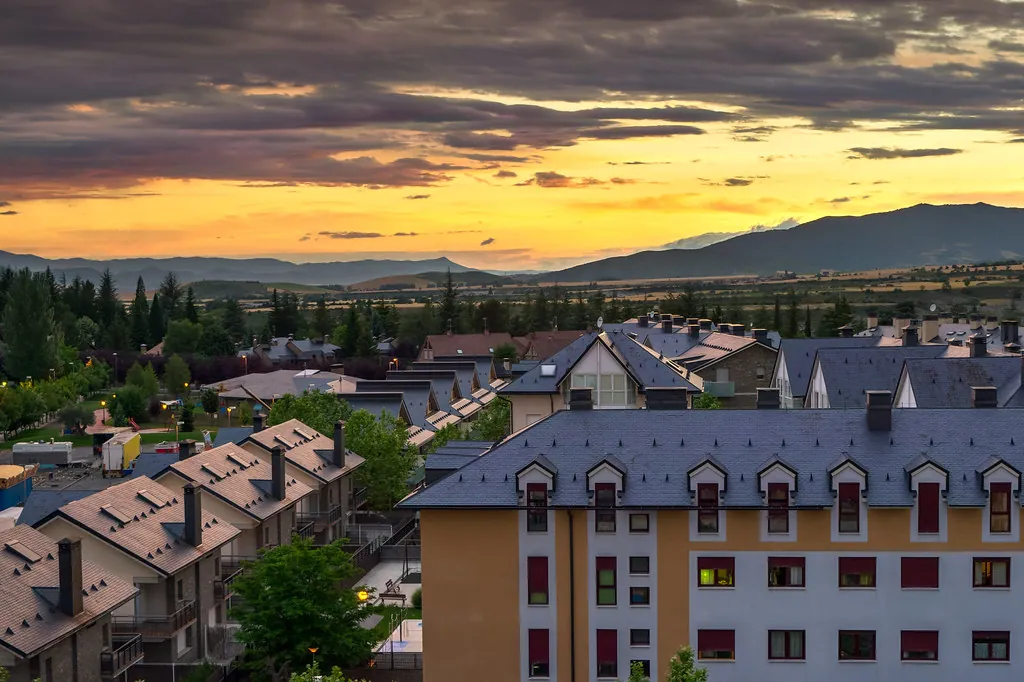
The village itself follows a simple plan: one main street, two parallel alleys, and a mirador that faces south-east over the Jiloca basin. Houses are built from whatever the ground provided—mostly limestone, occasionally granite hauled from the Moncayo massif. Timber balconies sag under the weight of geraniums; front doors remain unlocked because keys were lost decades ago. Roughly one dwelling in three is shuttered, its roof open to the weather. These ruins are not hidden behind hoardings. Instead they sit beside restored homes, a frank admission that Cubel’s population has fallen from 600 in 1950 to around 150 today. The effect is oddly honest: prosperity and decline share the same street frontage.
Walking the Empty Horizon
Cubel’s geography is better felt than described. The Iberian System begins here, yet the summits are rounded, more moorland than alp. Three way-marked footpaths leave the village; none exceeds eight kilometres. The most popular follows an old drove road to the Cerro de San Cristóbal, a limestone outcrop crowned with a wrought-iron cross. From the top you can trace the route you drove: the road a pale scar, cereal fields checker-boarding the plateau, and, on clear days, the Pyrenees floating like a white wave beyond the Ebro valley. Griffon vultures ride thermals overhead; the only sound is your own pulse.
Take water. The combination of altitude and sun is deceptive; farmers still recount stories of day-trippers helicoptered out with heatstroke after underestimating a “gentle stroll”. Spring brings meadow saffron and wild thyme; October turns the broom bronze and sets the stone walls glowing. Winter is another matter. Night-time temperatures drop to –10 °C, snow can block the access road for 48 hours, and the lone village shop reduces its hours to “mornings, if the owner feels like opening”. Locals recommend visiting between mid-April and late June, or during the second half of September when the light softens and the risk of gales diminishes.
What You’ll Eat and Who You’ll Meet
There is no restaurant, only a bar licensed to serve raciones when the proprietor’s daughter is home from Zaragoza. Expect migas—fried breadcrumbs laced with garlic and pancetta—followed by cordero al chilindrón, lamb stew thickened with peppers and tomatoes. The wine comes from Calatayud, twenty-five minutes west, and costs €2.50 a glass; the label bears a cartoon sheep because the barman’s cousin designed it. Vegetarians can usually negotiate a plate of roasted piquillo peppers and local cheese made from merino milk, but phone the day before. Supplies arrive on Tuesdays; by Saturday the choice is ham or more ham.
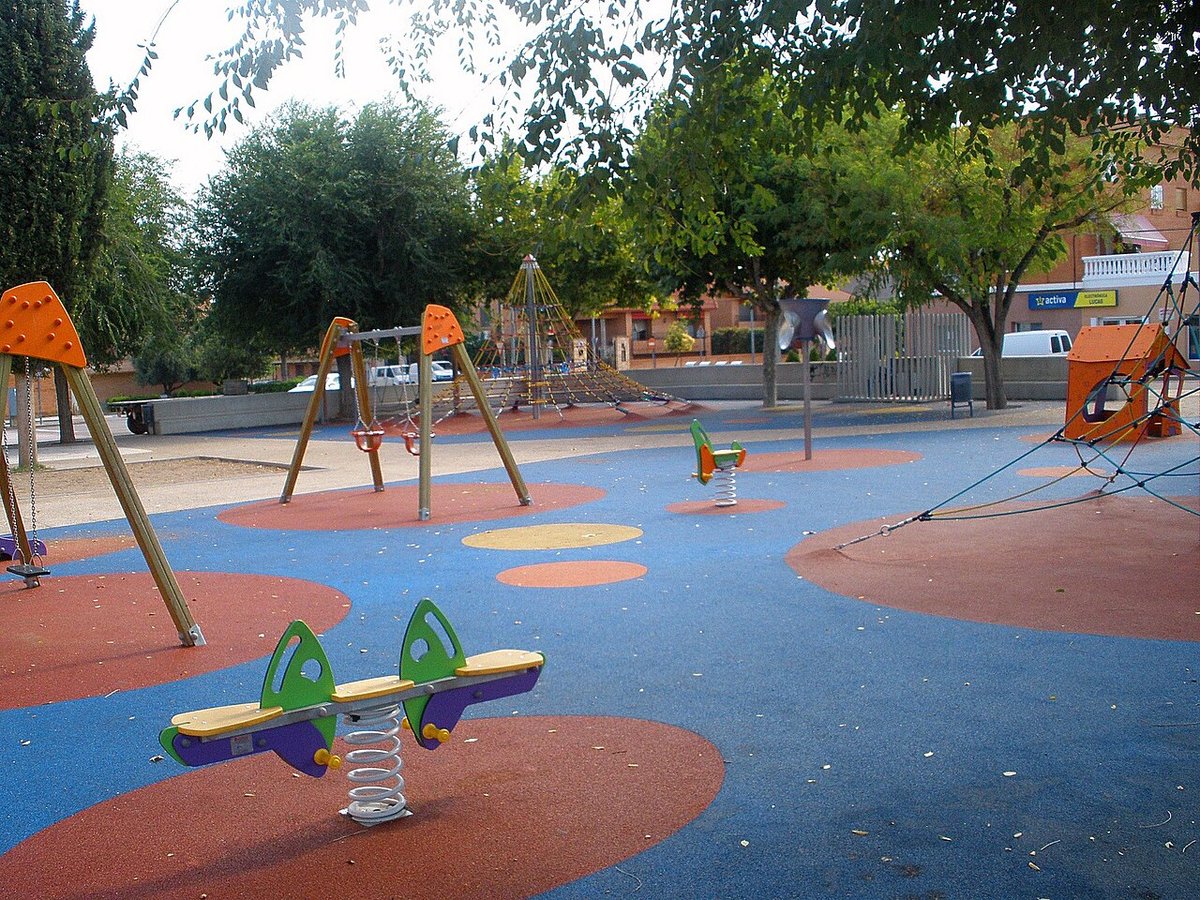
Evenings revolve around the plaza, a triangle of cracked concrete shaded by a single acacia. Children kick footballs until parents decide bedtime outweighs social pressure; dogs flop under benches; the village mayor doubles as evening waiter, greeting voters by first name and remembering how they like their coffee. Tourism is discussed without enthusiasm. “If they come, they come,” shrugs the mayor, wiping mist from a beer glass. “But we’re not putting up neon signs.” The consensus suits visitors seeking quiet more than those needing entertainment.
Practicalities Without the Sales Pitch
Getting there: From Zaragoza–Delicias bus station, MoncayoBus runs one daily service to Daroca (€8, 1 hr 20 min). A taxi from Daroca to Cubel costs €25—book at the station kiosk, as Uber does not operate. Drivers should fill up before leaving the A-23; the last fuel pump is at Daroca and it closes at 20:00.
Where to sleep: Cubel has no hotel. Five village houses rent rooms informally; expect €45–€60 for a double with breakfast (toast, olive oil, tomato, coffee). The tourist office in Daroca keeps a list, but reservations are handled directly; Spanish helps, though the owners’ children will translate by WhatsApp if necessary. Bring cash—chip-and-pin often fails when the single telephone line drops.
Weather warnings: Even in May, pack a fleece and windproof. Afternoon gusts can reach 50 km/h, strong enough to flip a camera tripod. After heavy rain the final 4 km of road develops axle-deep potholes; if the asphalt looks ripped up, park at the Mirador de la Yecla and walk the last thirty minutes.
When the Fiesta Outnumbers the Residents
August 15 brings the fiesta patronal. Emigrants return, tripling the population; cousins sleep in vans or on sofas dragged into courtyards. A sound system appears in the plaza, competing with the church bell for acoustic dominance. There is a paella contest judged by the oldest woman present, a dawn firework display that terrifies the village dogs, and a rociero procession in which a statue of the Virgin is carried, slowly, past every house so residents can sprinkle her with water—an old plea against drought. Visitors are welcome but not coddled; join the queue for beer, dance when the band strikes up, and remember that tomorrow silence will reclaim the streets.
January 17 offers a quieter ritual: the blessing of animals for San Antón. Farmers lead a dozen sheep through the church doorway, receive a sprinkle of holy water, then share doughnuts in the sacristy. Photographs are tolerated, flash is not—startle the ram and you’ll discover how fast a shepherd can move.
Leaving Without the Hard Sell
Cubel will never feature on a “Top Ten” list. It lacks a boutique hotel, a Michelin plate, even a souvenir shop. What it offers instead is relief from curated experiences. The village records its own decline in broken rooflines and invites you to draw your own conclusions. Walk the tracks at sunrise, listen to the wind scour the plateau, and you understand why some residents leave Manchester or Munich to retire here, and why their children still escape to Zaragoza at eighteen. The place is not magical; it is simply itself—high, dry, hospitable on its own terms. If that sounds like enough, come before the tarmac improves.