Full Article
about Cuevas de Almuden
Ocultar artículo Leer artículo completo
At 1,281 Metres, the Air Tells a Different Story
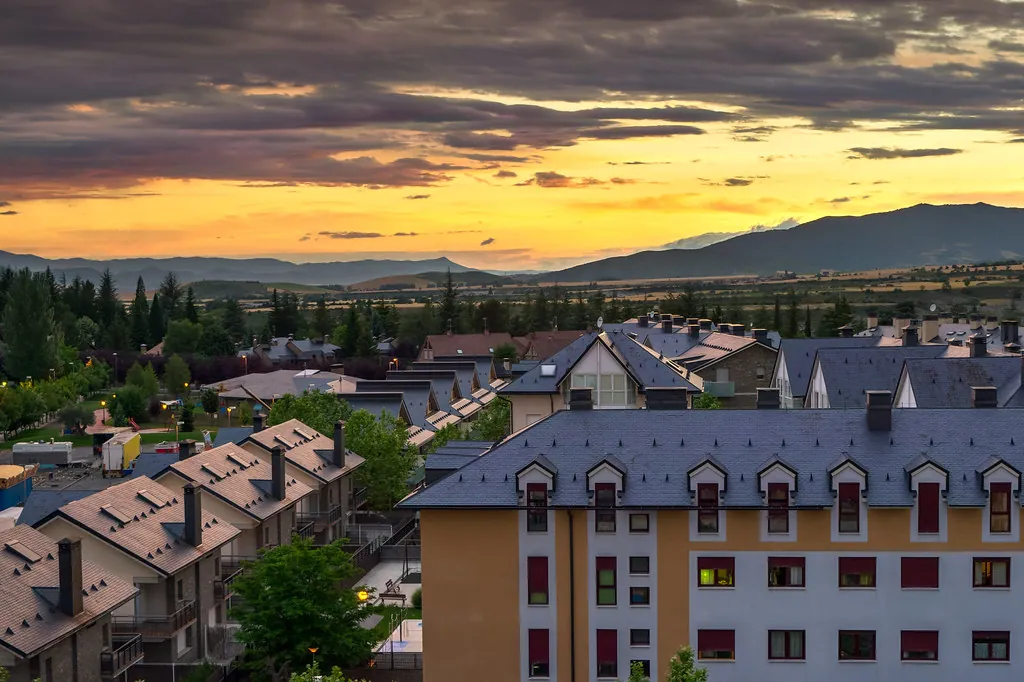
Sheep bells echo off stone before the first light hits the slope. Cuevas de Almudén wakes gradually, shutters creaking open to reveal a strip of Sistema Ibérico that once throbbed with coal traffic. The trucks are gone; the only morning delivery is the baker’s van doing its three-point turn in Plaza de la Constitución while diesel freezes on the dipstick. Altitude matters here—Teruel city sits 400 metres lower, and even in May you can wake to rimed windscreens.
The village grid is barely six streets wide, pinned together by walls of honey-coloured masonry that have absorbed a century of pit-head gossip. Look closely and the mortar still sparkles: waste slack from the washeries was mixed in when anything that could bind was worth re-using. Those mines—Mina María, Mina San Rafael—closed for good in the early 1990s; their headstocks were sold for scrap and the winding houses left to starlings. Yet the settlement refuses the usual ghost-town narrative. One hundred and twenty-six official residents, closer to ninety once holiday homes shut up, maintain a rhythm that feels more pragmatic than nostalgic.
Walking the Worked-Out Seams
There is no interpretative centre, no gift shop selling miniature helmets. Instead, footpaths that began as mule tracks to the pit gates strike north and east, entering pinewoods where concrete plinths mark the sites of air-shafts now carpeted by rosemary. A straightforward circuit, signed only by occasional cairns, climbs 250 metres to the Collado de la Mina; allow ninety minutes and carry water—none en route. From the col the view opens west across the Río Martín gorge, a stepped succession of cereal terraces abandoned when mechanisation stopped paying. Griffon vultures cruise at eye level, riding the same thermals that once lifted coal dust over the valley.
Maps label the return leg as PR-TE-80, but the paint blisters off the stones. Download the free IGN 1:25,000 sheet beforehand; phone reception vanishes in every barranco. After rain the clay becomes treacle, and the only footprints belong to wild boar. Winter walkers should add micro-spikes—snow can fall as late as April, and the road from Teruel is chained at the Puerto de San Just.
Stone, Tile and the Smell of Stabled Donkeys
Back in the village the architectural highlight is the Iglesia de Nuestra Señora de la Asunción, its squat tower patched after lightning in 1947. Inside, a nineteenth-century retablo painted by pupils of the Zaragoza workshop of Ramón Bayeu glimmers with cheap gold leaf that coal bonuses once financed. The key hangs in the baker’s; ask and you’ll be handed it without question—one of those small courtesies that makes carrying cash for the offertory box feel compulsory.
Domestic architecture is humbler: Arabic tiles weighed down by quart stones against the cierzo wind, doorways barely 1.7 metres high designed for a population chronically short on protein. Many houses still reserve the ground floor for animals; passing at dusk you hear the soft shuffle of a donkey and catch the sweet-acrid tang of straw that city planners would call “authentic” but here is simply Tuesday.
When the Village Eats Together
Food options are limited to what locals cook for themselves plus one weekend-only bar, Casa Ramón, where the menu depends on what game the owner’s son shoots. Expect conejo al estilo montés—rabbit stewed with bay and hot paprika—served in a bowl that could double as a plant pot. Price: €9 including bread and a glass of local Garnacha that tastes of iron and thyme. If the freezer is empty, Ramón will apologise and offer migas, fried breadcrumbs strewn with grapes, at €6. Cards are shrugged at; bring coins.
For self-caterers the bakery opens 08:30-11:00, sells out by ten, and stocks nothing fancy—country loaves, oily magdalenes, and on Fridays empanadillas filled with tuna and egg. The nearest supermarket is 28 kilometres away in Utrillas; fill the tank there too, because the village pump closed in 2018 and the next cheapest fuel is a motorway services half an hour south.
Fiestas Where Visitors Become Temporary Locals
The calendar offers two chances to see Cuevas inflated to full capacity. San Antonio, 17 January, begins with a dawn bonfire fuelled by vine cuttings and old pit props; residents circle the flames leading donkeys and hunting dogs for blessing. Temperatures can dip to minus eight; the council hands out aniseed liqueur that freezes if you don’t drink fast enough.
High summer brings the fiestas mayores around 15 August. The population quadruples as emigrés return from Zaragoza and Barcelona. Brass bands play until three in the morning, and the plaza fills with long tables papered in sardine bones. Visitors who bring a dessert—something as simple as supermarket pastries—are welcomed like cousins. Accommodation is floor space offered by new friends; accept, or book early in nearby Escucha where the single hostal charges €45 for a room that overlooks the cement works.
Getting There Without a Pickaxe
Cuevas de Almudén sits 82 kilometres north of Teruel, a drive of one hour twenty on a good day. From Valencia the quickest route is V-23 to Teruel, then A-23 towards Zaragoza, exiting at La Puebla de Valverde and following the TE-V-9031 through pinewoods that smell of sun-baked resin in July. Car essential—public transport ceased in 2011 when the subsidised bus company folded. Roads are paved but narrow; meet a timber lorry and someone reverses 200 metres to the nearest passing bay. Snow chains are compulsory equipment 1 November–30 April; Guardia Civil perform spot checks after storms.
The closest accommodation outside August is in Utrillas (20 minutes) where Hotel Las Truchas offers heated rooms for €55, breakfast €7. Wild camping is tolerated above the tree line but fires are banned May–October; the forestry patrol fines on sight and word travels faster than smoke. Phone coverage is 4G from Movistar, patchy on Vodafone; UK roaming works on the ridge, not in the streets.
Why Bother?
Because somewhere between the derelict washery and the baker’s key on a string you remember that “real” is a place with heating bills, not a hashtag. Cuevas de Almudén will not change your life, but it might adjust your altitude—literally and otherwise. Come prepared for thin air, thin menus and the thinnest of tourist infrastructures; leave with lungs full of pine resin and the certainty that Spain’s interior still keeps its own slow time.