Full Article
about El Burgo de Ebro
Ocultar artículo Leer artículo completo
The church bell tolls at 183 metres above sea level—low for Aragón, yet high enough that the Ebro’s floodplain spreads like a rumpled tablecloth below the tower. From the modest brick crown of San Gil Abad you can clock the morning flight path into Zaragoza fifteen kilometres west, while tractors crawl across vegetable plots that still dictate the village clock. That contrast—airliners overhead, onions underfoot—sums up El Burgo de Ebro: commuter belt on paper, river-bound pueblo in practice.
River Mud and Adobe Walls
Most visitors race past on the A-68, bound for the city or the wine routes of Campo de Borja. Turn off and the tarmac narrows, framed by ranks of white poplars whose leaves flick silver like badly ironed sequins. Adobe and brick houses, the colour of wet terracotta, sit flush with the pavement; there are no postcard plazas or heraldic stone here, just the honest boxy architecture of a place that has always repaired itself with river mud. Wooden galleries jut above your head, shading the January cierzo wind and the July sun in equal measure. Peer through an open portón and you’ll glimpse interior corrals—some now converted to pot-filled patios, others still smelling faintly of sheep.
The acequia de Sástago threads through the middle like an open artery. Follow it for five minutes and the street noise drops to water gurgle and the squeak of a bicycle left against a railing. Moorhens pick along the concrete edge; an elderly man in carpet slippers lifts a plastic bucket of irrigation water onto his lettuces. It is hardly wilderness, yet British bird-watchers who trail the nearby Los Balachos reserve say the same poplar-and-tamarisk ribbon “feels surprisingly wild so close to Zaragoza.” Kingfishers have been spotted between the laundry lines.
When Monday Closes the Kitchen
Monday is the day the village tests your planning. Bar Las Vegas—the only breakfast option—shuts its kitchen, leaving the square to pigeons and the smell of floor bleach. Bring a picnic or time your arrival for Tuesday onward, when the bar fires up the coffee machine at seven and locals debate cucumber prices over tostadas. Mid-week lunch menus hover around €12, heavy on the local sweet onion (cebolla dulce de Fuentes) that loses its bite in the pan and converts even onion-sceptic children. Try it roasted beneath ternasco, the milk-fed Aragonese lamb that tastes milder than British hill breeds. Pudding is safe territory: frutas de Aragón—nuggets of candied fruit wearing a thin chocolate overcoat—buy them boxed if you want an edible souvenir that survives the flight home.
Flat Miles and Flood-Silenced Footsteps
The vega is pancake-flat, ideal for family cycling or anyone who associates “hiking” with “not falling over.” A web of farm tracks heads east, skirting choperas whose trunks are still painted white up to eye level. Spring turns the soil black and noisy with lapwings; by late May mosquitoes move in, so pack repellent if you plan to linger for dusk photography. The classic short loop is the 7 km Camino de la Ermita, starting at the football pitch and ending at a sixteenth-century shrine the size of a garden shed. Winter walkers get the place to themselves, though paths can flood after heavy Ebro releases—wellies beat Gore-Tex here.
Summer cyclists should start early; shade is scarce and the cierzo can gust hard enough to cancel the benefit of a tailwind. A rental hybrid from Zaragoza (€25 a day) is adequate; leave the carbon racer at home unless you enjoy chip-seal vibration. If you prefer foot to pedal, the village fountain doubles as an unofficial Camino refill stop for the handful of pilgrims edging toward Gallur and the Atarés ravine. They rarely stay the night—proof that El Burgo is still a comma, not a full stop, on most itineraries.
Festivals that Still Smell of Soil
Festivity calendar revolves around growing seasons rather than tourism spreadsheets. Late August belongs to San Gil Abad: brass bands, jota dancing, and a procession that squeezes past the bakery’s delivery van with inches to spare. The atmosphere is neighbourly rather than folkloric—expect free melon slices handed out by teenagers who’ll be back on the tomato picker next morning. Spring brings the bendición de campos, when a priest sprinkles holy water onto a tractor draped with greenery; autumn serves up vegetable-themed tasting menus priced low enough that locals actually attend. British visitors used to ticketed food festivals may be startled by the lack of entry fees—turn up, buy a drink, claim a bowl of stew.
Getting Here, Getting Out
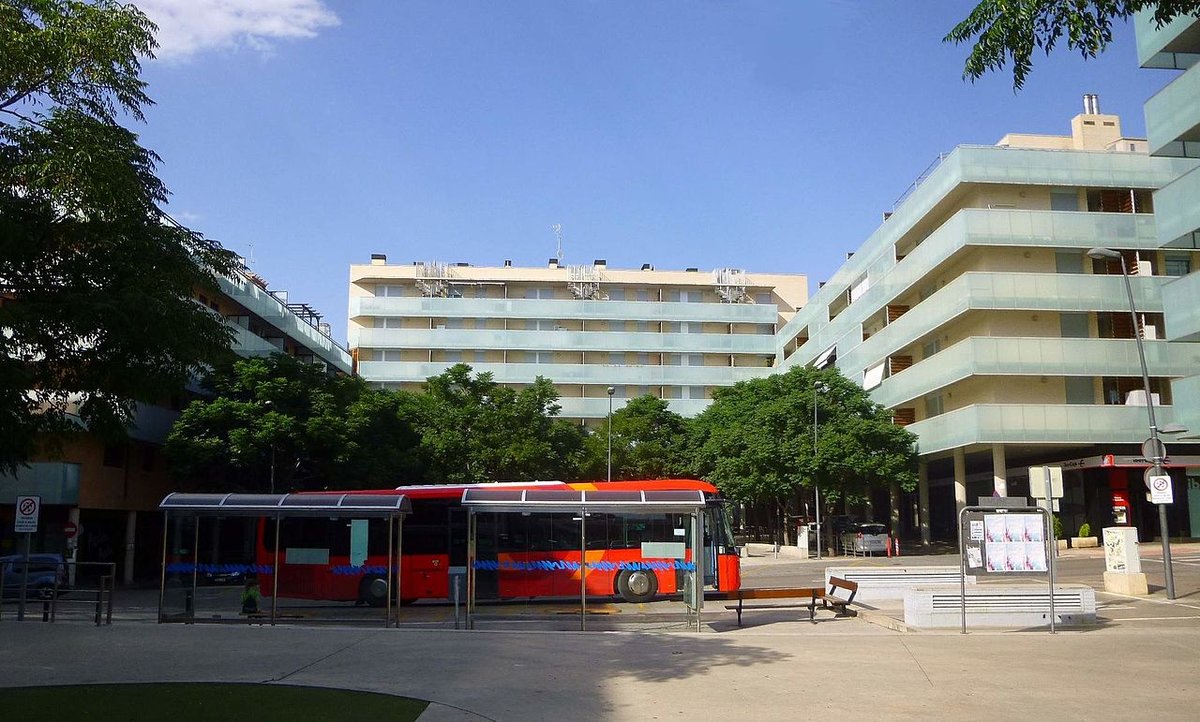
There is no railway. ALSA runs two commuter buses from Zaragoza’s Estación del Norte (€2.40, 35 min), timed for office hours rather than day-trippers. The sensible method is a hire car: swing north off the A-68 at kilometre 306, reach the village in twenty minutes, and park on the agricultural lorry bay—free, unsigned, and tolerated unless market day clogs the main drag. Zaragoza airport’s desks will push a sat-nav; you’ll only need it if you fly in after dark when the unlit access road turns sign-spotting into a guessing game. Heading back, fill the tank in the city—El Burgo’s single garage closed in 2021 and hasn’t reopened.
Low Expectations, Quiet Rewards
El Burgo de Ebro will not make anyone’s “top ten villages in Spain” list, and that is precisely its appeal. Come for the river light on poplar trunks, the smell of irrigation ditches after rain, the sight of a village that still knows the price of onions because it grew them. Leave disappointed if you need souvenir tea towels or boutique hotels. Leave content if you count kingfishers, cycle empty lanes, or simply want proof that commuter-belt Aragón hasn’t entirely surrendered to the motorway. And remember Monday: if the bar is shuttered, the bell still tolls at 183 metres—time to unpack that picnic and listen to water running under the poplars instead.