Full Article
about El Cuervo
Ocultar artículo Leer artículo completo
The morning bell rings at nine. Not from a church tower—there isn't one tall enough to warrant the effort—but from a loudspeaker bolted to the council building. In El Cuervo, population seventy-two, this passes for rush hour. A farmer leads three sheep down the main street, past houses whose stone walls have absorbed a century of Teruel winters. The animals pause outside the bar, where two men in flat caps argue over coffee about rainfall forecasts. Nobody checks their watch. Timekeeping here is negotiable.
The Arithmetic of Emptiness
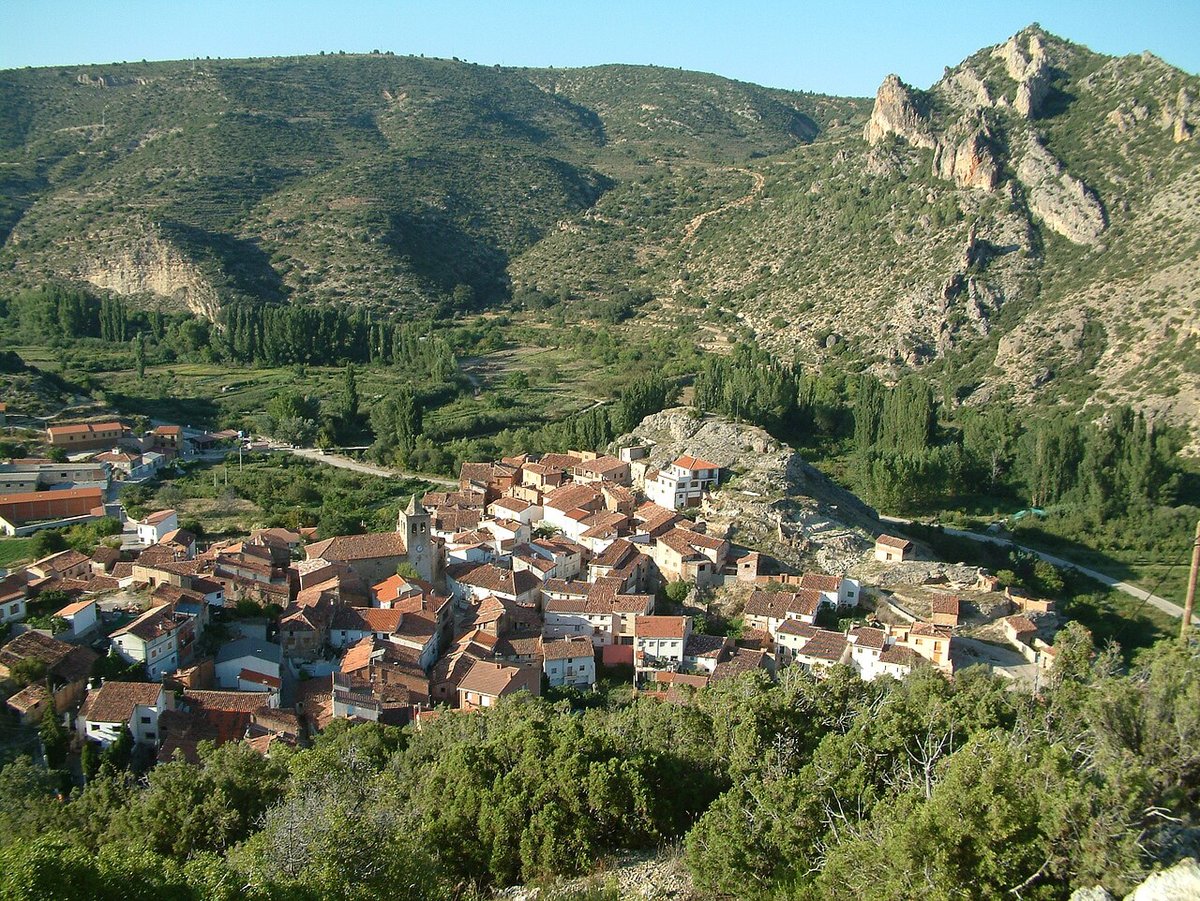
At 900 metres above sea level, El Cuervo sits where the Iberian plateau begins its long tumble towards the Mediterranean. Drive north from Teruel for an hour, past Calamocha's wheat silos and the ghost junctions of the A-23, and you'll find the village draped across a ridge like an afterthought. The land around it stretches forty kilometres before hitting anything larger than a hamlet. This is Spain's demographic negative space: a country with more land than people, where villages shrink faster than maps can be reprinted.
The maths is brutal. In 1950, El Cuervo housed 300 souls. By 2000, it was 120. The school closed in 1987; the doctor left shortly after. What remains is a core of farmers in their sixties, plus a handful of returnees who've converted ancestral houses into weekend refuges from Zaragoza's apartment blocks. They've kept the stone façades but installed underfloor heating, creating a hybrid architecture that whispers of both survival and surrender.
Walking Through Layers
There's no tourist office, no guided tour, no gift shop selling fridge magnets. Instead, there's a map photocopied onto A4 paper taped inside the bar window, showing three walking routes that spider out from the plaza. The red trail drops into the Barranco de las Barbarillas, where vultures wheel on thermals rising from cliffs the colour of stale bread. The yellow route loops through almond groves, their trunks silvered by decades of wind. The blue simply heads east until the path dissolves into wheat fields, marked "continue at your own risk".
These aren't picturesque strolls. They're functional tracks used by farmers checking fences, where you'll step over cowpats and negotiate gates held together with baling twine. But they offer something Britain's countryside surrendered long ago: genuine solitude. Walk for twenty minutes and the only sounds are your boots crunching on limestone and the distant clank of a tractor. No dog walkers. No Instagram posts. Just the occasional cry of a raven echoing off sandstone escarpments.
The Seasonal Contract
Spring arrives late at this altitude. April brings green wheat and white blossom, but nights remain cold enough to frost the windscreen of that rental car you regretted not upgrading. May is the sweet spot: temperatures hover around twenty degrees, wild asparagus sprouts along ditch banks, and the village's single restaurant opens its terrace—four tables beneath a vine that hasn't yet realised it's supposed to provide shade.
Summer is a different proposition. The sun here has weight. By July, fields burn gold then grey, and the air smells of hot resin and sheep wool. Afternoons become a test of endurance; even the dogs seek refuge beneath parked cars. This is when El Cuervo reveals its merciless side. The village offers no beach, no swimming pool, no air-conditioned museum. Just shade and patience and the knowledge that September will eventually arrive.
Autumn brings the best light. Low sun transforms the landscape into something approaching beauty, though beauty feels too deliberate a word for this scrubby, marginal farmland. October mornings start at three degrees—pack gloves—but climb to eighteen by lunchtime. It's mushroom season, and locals forage for níscalos in the pine plantations that cloak north-facing slopes. They'll sell you a kilo for twelve euros, but only if you ask in Spanish and pretend not to notice the earth still clinging to the stems.
Eating What's Left
The bar serves coffee from seven until the last customer leaves, which might be nine or might be midnight depending on who's bought the next round. Food is available if you order before two o'clock, though the menu exists more as suggestion than promise. Expect migas—fried breadcrumbs with garlic and chorizo—or perhaps a plate of jamón from the farmer's last pig. The wine comes from Calatayud, thirty kilometres west, and costs two euros a glass. It tastes of iron and garnacha grapes and the certainty that nobody here has heard of natural fermentation trends.
For anything more substantial, drive to Cella, twelve minutes north. Their Saturday market sells ternasco—milk-fed lamb that's Aragon's answer to Welsh mountain mutton—plus cheese made by a woman whose family has kept goats since the Moors left. Or don't. El Cuervo rewards those who abandon Britain's tyranny of choice. Eat what's available. Drink what's open. Accept that the bakery van visits Tuesday and Friday, and if you miss it, yesterday's bread makes perfectly acceptable toast.
The Winter Calculation
Between November and March, El Cuervo becomes a different proposition. Snow falls infrequently but decisively; the road from the main highway becomes impassable for anything without four-wheel drive. Heating costs quadruple electricity bills. Most weekenders retreat to city flats, leaving the village to its proper ratio of one human per sheep.
This is when the place achieves its purest form. Walk the empty streets at dusk and you'll understand why Spanish writers speak of la España vacía—the empty Spain. It's not wilderness. It's something more complex: land that humans have shaped for millennia, then gradually abandoned. Dry stone walls crumble back into the fields they once defined. Almond terraces revert to thyme and broom. The cemetery expands at precisely the rate required by demographics.
Some winters, the bar doesn't bother opening. Bring supplies. Bring books. Bring that British habit of filling silence with small talk, then prepare to drop it. Here, conversation follows different rules. Pauses stretch until they become comfortable. Stories emerge slowly, like water finding its level. You'll learn about the Civil War battle fought in the next valley, how the priest hid republicans in the church bell tower. About the year snow reached the first-floor windows. About the farmer who still ploughs with mules because "tractors cost more than houses".
Drive away before dusk and you'll see El Cuervo recede in the rear-view mirror: stone roofs against red earth, a place that refuses to die but makes no effort to live. Keep driving. Don't look back. The village will still be there when you're ready to stop running from silence.