Full Article
about Estada
Ocultar artículo Leer artículo completo
The bakery van arrives on Tuesdays and Fridays, its arrival announced by a horn that echoes off stone walls built when this village counted its population in hundreds, not dozens. By the time you've pulled on shoes and walked to the plaza, locals have already queued for crusty loaves and the conversation has turned to tomorrow's weather—critical when your livelihood depends on almond trees and grape vines clinging to terraces carved centuries ago.
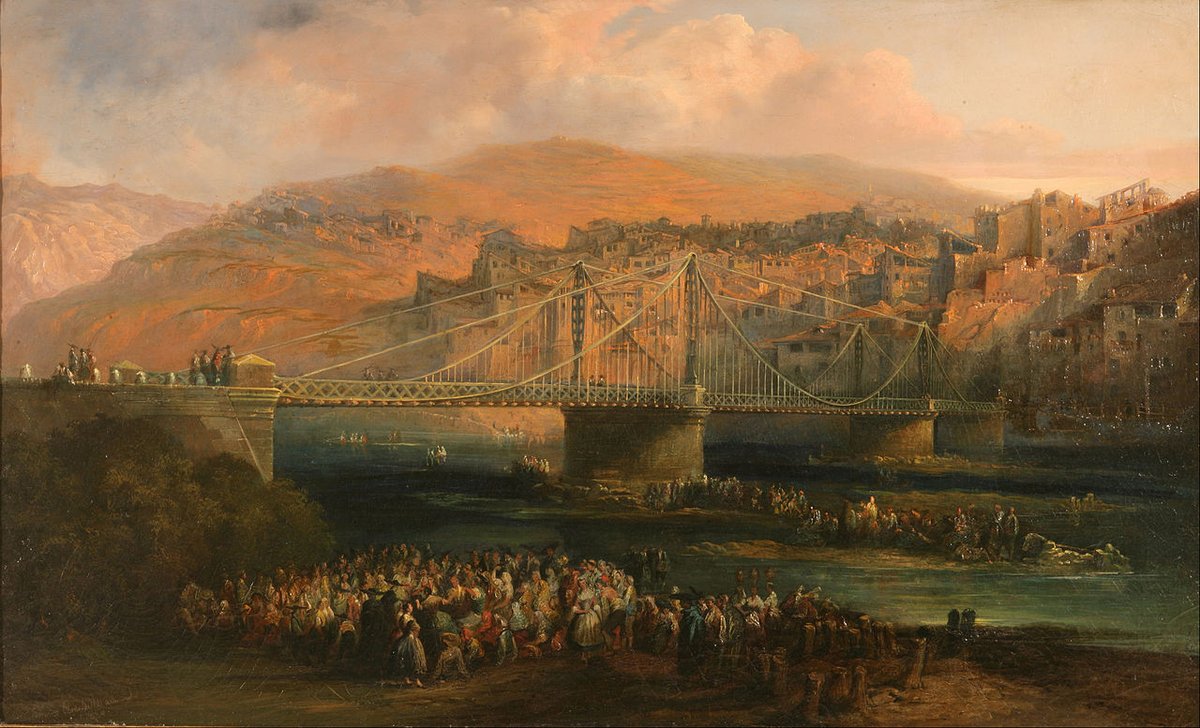
Estada sits at 382 metres above sea level, high enough to catch mountain breezes but low enough that olive trees still outnumber pine. From the church tower—visible across the valley long before you reach the village—you can trace the River Vero's green ribbon through a patchwork of cereal fields that shift from emerald in April to burnished gold by July. It's the sort of view that makes you understand why generations stayed here despite the lure of Barbastro's supermarkets and Monzón's secondary schools.
The Village That Time Forgot to Leave
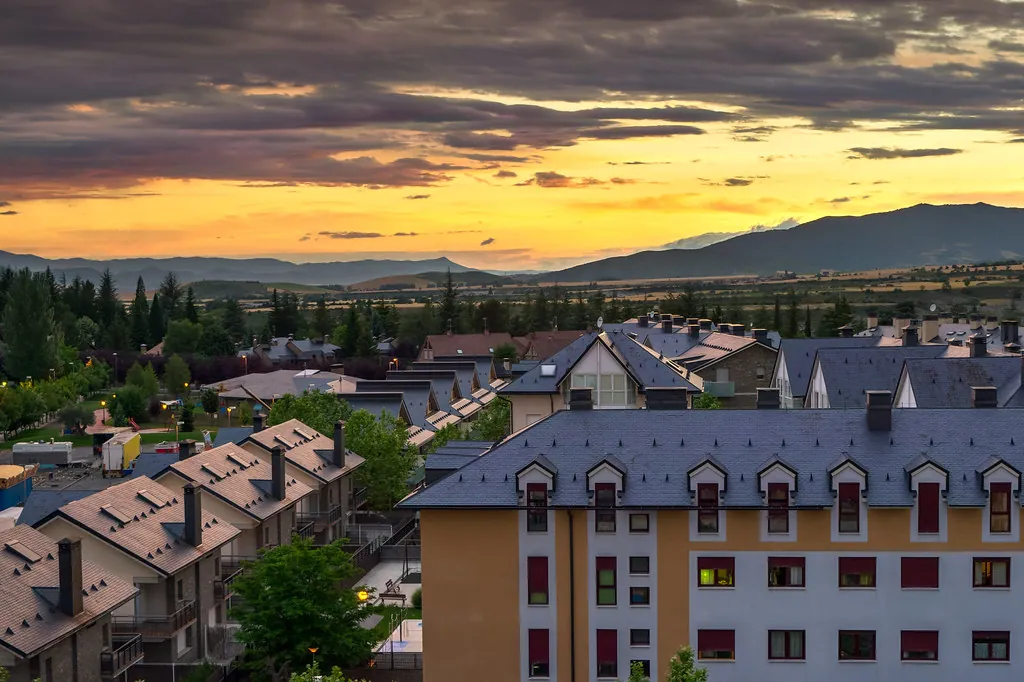
Two hundred residents remain, give or take. Their houses cluster around a plaza where the bar opens at seven for coffee and stays open until the last customer leaves, though on Mondays you might find the door locked regardless. Stone walls three feet thick keep interiors cool during summers that regularly touch thirty-five degrees, while winter winds whistle through gaps that seemed insignificant in August. The church of Santa María dominates one side of the square, its tower a useful landmark when navigating the narrow lanes that spiral outward like a snail's shell.
These streets weren't designed for cars, which explains why the village mechanic operates from a garage barely wider than a Land Rover. Visitors park at the entrance and walk in, rolling suitcases over cobbles worn smooth by centuries of boots and hooves. Children play football where wheat once dried, their shouts bouncing off walls that once echoed to the clang of blacksmiths' hammers. The rhythm is agricultural still: early starts, long lunches, evening strolls that serve as both exercise and social call.
Walking Through Living History
The best approach to understanding Estada is literal. Follow the signed path that drops from the village toward the Vero, past almond trees that explode into pink-white blossom during March walks. Terraces built by Moorish farmers a millennium ago still hold soil in place, though now they grow barley rather than irrigated vegetables. After forty minutes you'll reach the ermita de San Marcos, a twelfth-century chapel that hosts September's pilgrimage and, more importantly, provides shade for sandwiches packed back at your accommodation.
Serious hikers can continue along the Vero's banks toward Alquézar's famous gorge, but most visitors prefer circular routes that return via different tracks. The PR-HU 95 trail climbs gently through pine plantations before dropping back to Estada past abandoned farmhouses whose roofs collapsed long before Spain joined the EU. Way-marking exists but carries the distinctly Spanish characteristic of appearing at junctions where the correct path seems obvious, then disappearing entirely when multiple options present themselves. Downloading the route to your phone saves considerable back-tracking.
What Grows Here Tastes of Here
The village shop stocks tinned tuna, UHT milk and not much else, which forces visitors into the local economy whether they planned it or not. Bar Estada serves ternasco—milk-fed lamb roasted until the skin crackles like pork crackling—accompanied by chips fried in local olive oil that tastes definitively of something, unlike supermarket brands back home. Chireta appears on menus during winter months; think haggis made with rice instead of oats and you'll understand why Aragonese grandmothers consider it comfort food.
Wine comes from cooperatives rather than grand châteaux, poured from unlabelled bottles that cost four euros and taste of sun-baked garnacha grapes. The serious stuff—Somontano DO wines that compete internationally—requires a twenty-minute drive to Barbastro where bodegas offer tastings in multiple languages. But for drinking with migas—fried breadcrumbs studded with grapes and, if you're lucky, spare ribs—the village wine tastes perfectly adequate. Vegetarians should specify "sin chorizo" when ordering; otherwise the ubiquitous sausage appears even in dishes described as meat-free.
Practicalities for the Unprepared
Estada lies forty-five minutes northeast of Huesca via the A-22 motorway, though the final approach involves winding country roads where encountering another vehicle feels like social event. No public transport serves the village; the nearest railway station is Monzón, twenty-five minutes away by taxi that must be booked in advance. Car hire is essential, preferably something small enough to squeeze through medieval gateways that predate wing mirrors.
Accommodation options remain limited. Villa Stata offers self-catering for eight with a pool that proves essential during August heatwaves, while Casa Rufino provides townhouse living with a roof terrace perfect for evening gin and tonics as swallows perform aerial displays overhead. Both require minimum stays during fiesta periods when expat children return with their own offspring, swelling the population temporarily to perhaps four hundred souls.
Cash remains king; the nearest ATM stands outside a petrol station in Castillazuelo, fifteen minutes away, and it occasionally runs dry during weekend rushes. Mobile signal varies from three bars to nothing depending on which side of the church you stand, though this feels less like inconvenience and more like permission to disconnect. The bakery van, incidentally, accepts exact change only.
Seasons of Silence and Celebration
Spring brings orchards that transform the valley into an impressionist painting, though nights remain cool enough for log fires in houses where central heating means portable gas heaters dragged between rooms. Summer stretches from May to October, growing progressively drier until the first storms arrive like artillery, turning dirt tracks into rivers and filling stone cisterns that predate running water.
August's fiesta transforms the plaza into an outdoor dining room where long tables groan under plates of paella and the village wine flows freely. Strangers become honorary locals for the duration, though participation requires stamina—dinners start at ten and the brass band plays until three. September's San Marcos celebration proves gentler: a morning pilgrimage to the chapel followed by lunch under olive trees where conversation meanders through topics that would require hashtags back home.
Winter arrives suddenly, often overnight. The surrounding peaks accumulate snow visible from the village, though Estada itself rarely sees more than frost. Log smoke hangs in the valley like fog, and the bar fills with men discussing rainfall statistics with the intensity others reserve for football. It's beautiful in its way, though short days and closed restaurants make it better suited to writers seeking solitude than families seeking entertainment.
Whether you visit for walking, wine or simply silence, Estada offers something increasingly rare: a place where tourism supports rather than replaces existing life. Just remember to check the bakery van timetable before planning breakfast.