Full Article
about Figueruelas
Ocultar artículo Leer artículo completo
Twenty-five kilometres down the AP-68 from Zaragoza, the grey roofs of the Opel plant sprawl first, then the church tower of San Miguel appears behind them. That single glance tells you most of what matters about Figueruelas: tractors share the ring-road with supply lorries, and the Sunday bell competes with the shift-change siren. The village (population 5,000, altitude 252 m) sits on the soft, irrigated terraces of the Ribera Alta del Ebro, a landscape kept almost flat by the river’s prehistoric meanders. It is neither remote nor chocolate-box, but it is honest—an agricultural parish that turned itself into a company town without quite forgetting the orchards that gave it its name.
The factory and the fields
Opel arrived in 1982 and now employs more people than live inside the municipal boundary. The plant’s car park alone occupies a triangle the size of the old centre, and the visitor who follows the signs to “Plaza Mayor” passes loading bays where Corsas and Crosslands are lifted into trucks for northern Europe. Drive in August and half the bays are empty; the workers are on furlough and the village reverts to a slower gear. Come September, the fiestas honouring San Miguel coincide with the restart of production lines—fireworks at night, brake-press thumps at dawn.
Away from the industrial estate the roads narrow to single-track lanes between peach plantations and alfalfa circles. Irrigation channels glint like strips of tin; herons stand motionless, waiting for goldfish escaped from garden ponds. A 45-minute circuit on foot from the church takes you past the last houses, along a farm track known locally as the Camino del Regallo, and back via the cement works that predates the car factory. It is hardly wilderness, yet skylarks still rise from wheat stubble and the only shade is provided by lines of poplars planted to stop the Ebro’s south-westerly winds.
What passes for a centre
The Plaza Mayor is a rectangle of packed earth and granite setts, edged by two bars, a pharmacy and the ayuntamiento. Plastic tables spread out under pollarded plane trees; at 13:00 the workforce from the morning shift fills them, drinking cañas and arguing about football before lunch. No building is older than the nineteenth century—Figueruelas never merited a castle—but the church of San Miguel has a Romanesque doorway reused from an earlier chapel on the same spot. Inside, the air smells of beeswax and diesel: village mechanics use the porch to park mopeds they are repairing. Step closer and you will see the retable is nineteenth-century neo-Gothic, paid for with money sent home by emigrants who found work in Barcelona’s textile mills. The guidebook entry is brief; the human story longer.
Opposite the church, Bar Vista Alegre keeps the hours of an agricultural canteen—open at 06:00 for coffee and churros, closed by 22:00 once the last domino game ends. The menu is written on a whiteboard: migas with grapes, roast lamb on Sundays, peach tart when the local fruit cooperative has surplus. Expect to pay €12 for a three-course lunch including wine; expect also to order in Spanish, because the waitress’s English stretches only to “hello” and “thank you”. She will, however, bring an unsolicited second bottle of water if you look warm, which counts as diplomacy in these parts.
Moving slowly: bikes and boots
The flat kilometre grid of farm tracks makes Figueruelas a practical base for lazy cycling. Hire bikes in Zaragoza (E-bike Zaragoza delivers for €25 each way) and you can coast 28 km along the old tow-path of the Canal Imperial de Aragón, arriving in the village in time for a late lunch. From there, a signed loop heads south-east to Luceni and back, passing through almond orchards and a gravel pit turned heronry. The surface is compacted earth—fine for hybrids, lethal for skinny road tyres. Summer cyclists should carry two litres of water; the shade is theoretical and the only fountain is outside the cemetery, guarded by a one-eyed cat who expects a tithe of tuna.
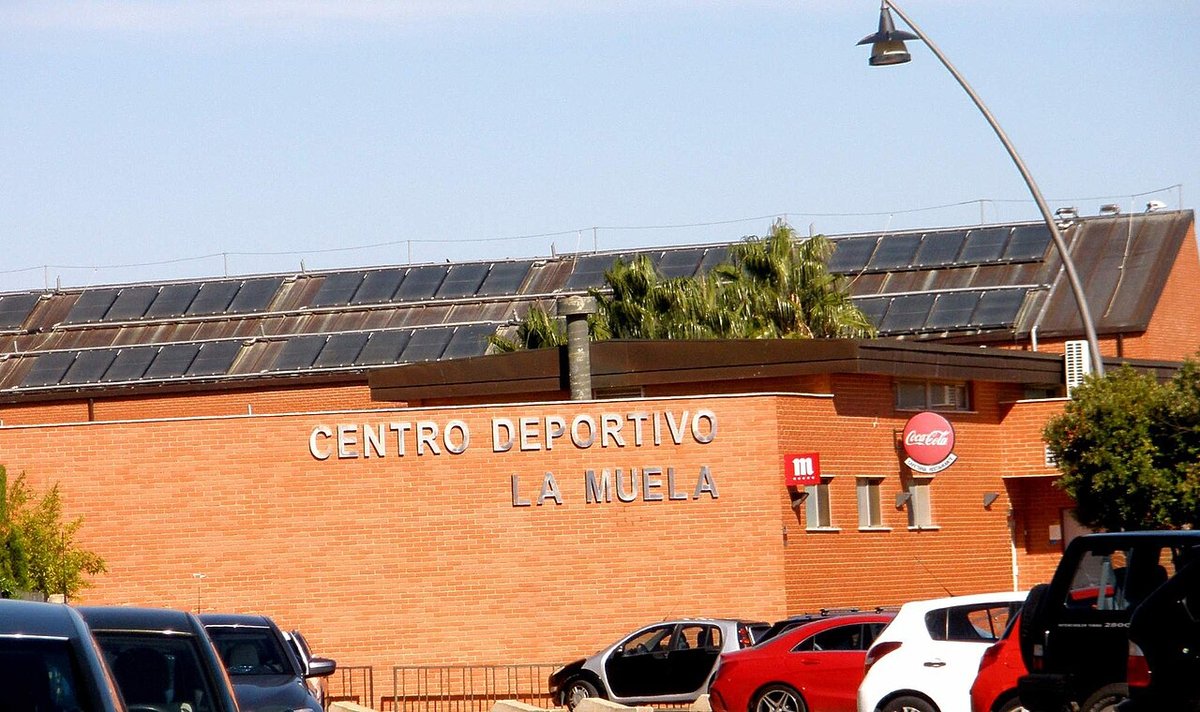
Walkers can stitch together two waymarked footpaths that fan out from the polideportivo. The shorter (6 km) climbs a low ridge of gypsum cliffs, giving views across the Opel roofline to the snow-dusted Moncayo on the horizon. The longer (11 km) reaches the banks of the Ebro itself, though you must share the final stretch with plastic harvest crates and the occasional improvised rave speaker left over from last weekend. Neither route is dramatic—this is steppe country, not the Pyrenees—but in April the verges explode with crimson poppies and the air smells of fennel and damp clay.
When to come, and when not to
Spring and autumn offer the kindest temperatures: 20 °C at midday, cool enough to sleep without air-conditioning. In July the thermometer touches 38 °C; the streets empty between 14:00 and 19:00, and even the swallows fly low to keep in the shade. Winter is mild—daytime 10 °C—but the mist rising from the irrigation channels can linger until noon, and the factory steam plume merges with it to create a sepia veil that makes the streetlights stay on all morning.
Fiestas bookend the seasons. The August programme includes outdoor cinema dubbed into Spanish, a foam party for teenagers, and a paella cooked in a pan three metres wide. In late September the patronales bring a livestock fair: farmers lead prize ewes around the plaza while children chase balloons shaped like Ibex cars. Accommodation inside the village does not exist; rooms are rented by word of mouth or via Spanish-only websites. Most visitors stay in Zaragoza (Hotel Eurostars Rey Fernando by the exhibition centre, doubles from €65) and drive down for the day. The last return junction on the AP-68 is easy to miss after dark—sat-nav tends to underestimate the sharpness of the slip-road curve.
The honest verdict
Figueruelas will never feature on a postcard of whitewashed Spain. Its charms are incremental: the smell of fresh bread from the cooperative bakery at 07:00, the way the setting sun turns the factory silver before the lights come on, the sound of a single church bell competing with the hum of welding robots. Come if you are curious about how a rural commune adapts when an assembly line lands in its lap, or if you need a flat, quiet place to cycle off the calories of Zaragoza’s tapas. Do not come expecting cobbled romance—Opel saw to that—but do expect a pint of beer served without garnish and a conversation about peach prices that somehow feels more authentic than any souvenir apron.