Full Article
about Formiche Alto
Ocultar artículo Leer artículo completo
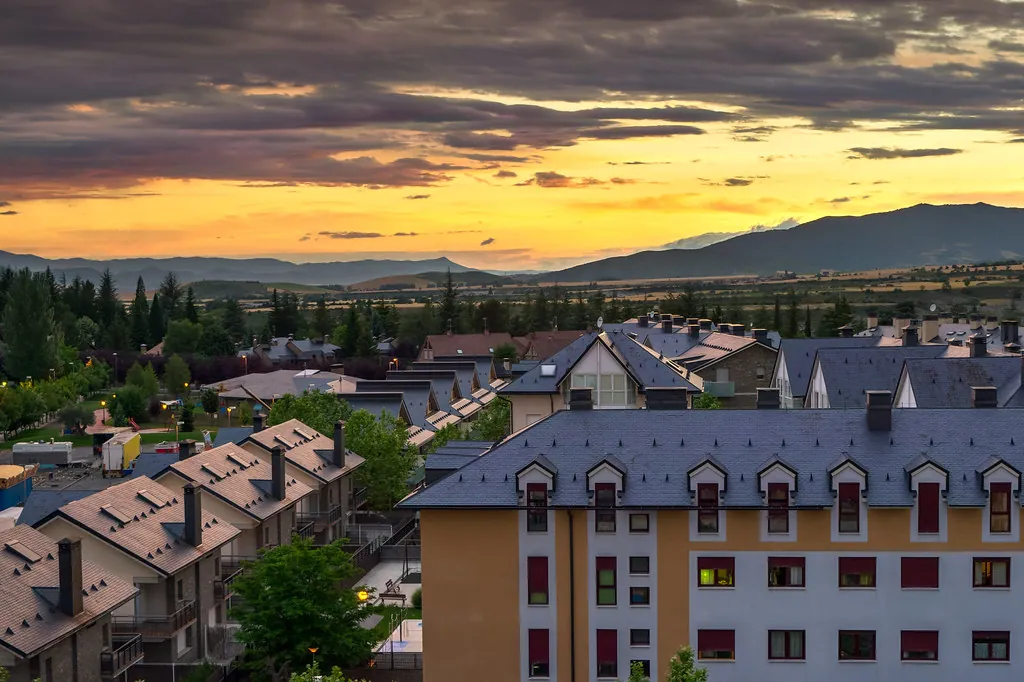
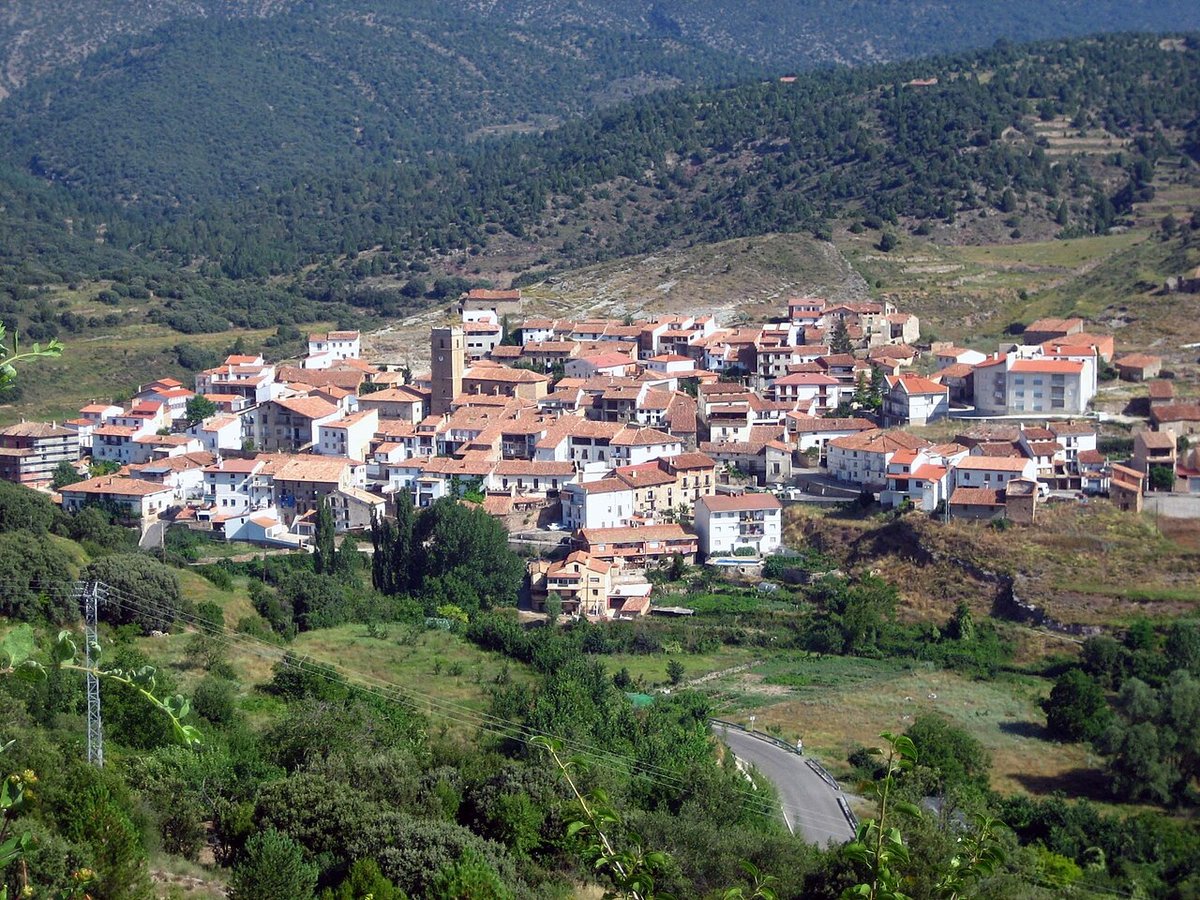
The bakery opens at eight, but the bread's been cooling on the counter since half past seven. That's the first thing you notice about Formiche Alto—time runs differently at 1,105 metres. While the Costa Blanca is already serving breakfast to queues of Brits, this stone village above the Mijares valley is still waking up, the morning light catching on terracotta roofs that haven't changed since someone's great-grandfather laid them.
High Ground, Slow Pulse
Positioned on a ridge in the Gúdar-Javalambre range, Formiche Alto sits high enough that the air thins noticeably when you climb the lane past the church. The altitude matters here. Summer nights drop to 15°C, meaning you'll reach for the blanket the casa rural provides—no air-conditioning units rumbling outside, because none are needed. In winter, the village can find itself cut off for a day or two when snow settles on the A-1701; locals keep a store of firewood and treat the interruption as routine rather than emergency.
The surrounding landscape isn't postcard-pretty; it's something better. Terraced fields step down the slope, some still planted with almonds, others already surrendering to broom and juniper. Stone walls divide the small holdings, their dry joints built by workers who knew every cleft in the limestone. Above, the pine-covered ridge of the Sierra de Gúdar forms a natural barrier that catches weather fronts, so clouds often spill across the hilltops like slow-motion waterfalls.
What Passes for Sights
The 16th-century parish church of San Pedro occupies the highest point—part fortress, part beacon. Its bell strikes the quarters with an enthusiasm that suggests time-and-a-half for overtime. Inside, the nave is refreshingly plain: no baroque excess, just thick walls painted white and a retablo that survived the civil war because someone bricked it up for safe-keeping. Sunday Mass at eleven still fills most pews; visitors are welcomed but not fussed over.
Below the church, the village folds into a labyrinth of alleys barely two metres wide. Houses are built from the mountain itself—masonry the colour of weathered barley, roofs pitched steeply to shrug off snow. Look for the carved datestones: 1743, 1821, 1898, each marking a rebuild after fire, storm or simple demographic optimism. Many doorways still have the original iron studs; run your fingers over them and you'll feel the hammer blows of a smith who never imagined tourists from Manchester or Milton Keynes.
There are no ticketed attractions, no interpretation panels with QR codes. Instead, the architecture is the museum. Corrals attached to dwellings show where the family mule once lived; stone staircases climb to haylofts now converted into spare bedrooms. The only information board stands outside the old laundry fountain, explaining (in Spanish) how women shared gossip while beating sheets against the stone lip. The fountain still flows, though most households now have washing machines.
Walking the Empty Tracks
Footpaths radiate from the upper edge of the village like spokes from a loose wheel. The GR-10 long-distance trail passes within two kilometres; a thirty-minute stroll along a stony track brings you to the way-markers. From there you can walk south to the abandoned hamlet of Los Calpes, where roofless houses are being reclaimed by fig trees, or north along the ridge towards the observatory at Javalambre, its white domes glinting on the skyline.
Maps are advisable: the landscape looks gentle but side gullies cut deep and mobile signal vanishes in the valleys. Spring brings a carpet of lavender and Spanish broom; autumn turns the maples on the north-facing slopes the colour of burnt toast. Both seasons offer daytime temperatures in the low twenties—perfect for hikers who find Andalucían Augusts oppressive.
If you'd rather not stray far, a circular route marked with yellow arrows leaves from the bakery door, climbs past the cemetery and returns via the old threshing floors. Allow an hour, plus another twenty minutes to sit on the stone bench that faces the Sierra de Albarracín and wonder why you ever queued for a beach sun-lounger.
Eating (or Not) in the Clouds
Formiche Alto has no restaurant, and that's part of its appeal. What it does have is Casa Fausto, a trio of self-catering cottages run by a couple who returned from Zaragoza to restore their grandparents' home. They leave a welcome pack: half a bottle of local olive oil, a loaf of bread still warm from the village oven, and a jar of honey harvested from hives on the south-facing slope. The honey tastes of rosemary and thyme; stirred into thick yoghurt, it makes breakfast memorable.
For supplies, the bakery opens four mornings a week. Empanadillas filled with tuna and tomato cost €1.20 each and serve as trail food or impromptu lunch. The adjoining mini-mart stocks UHT milk, tinned beans, and a surprisingly drinkable Bobal-Garnacha wine at €4 a bottle. If you need fresh meat, the mobile butcher's van arrives every Thursday at eleven—listen for the horn that announces its tour of the hill villages.
Ten minutes down the road, Sarrión offers two bars where you can order Teruel ham sliced see-through thin, or a plate of migas—fried breadcrumbs laced with garlic and grapes that taste like savoury bread-and-butter pudding. Both establishments close by four, so plan hunger accordingly.
Getting There, Getting Out
The closest airports are Valencia (1 hour 45 minutes) and Zaragoza (1 hour 30). Hire a car, because the last bus left Formiche Alto in 2011 and isn't coming back. From the A-23 take the A-140 towards Sarrión, then swing onto the A-1701. The final six kilometres climb 400 metres through a succession of hairpins; if you meet a tractor, one of you is reversing. Petrol stations are scarce—fill up at the Repsol outside Teruel before you head into the hills.
Spring and autumn provide the kindest introduction. In May the terraces glow green with new almond foliage; October brings crisp mornings and the smell of wood smoke. July works if you crave heat without humidity, but book accommodation early—only twelve visitor beds exist in the village, and August fiestas draw returning emigrants who occupy every spare room.
The Quiet Account
Evenings arrive suddenly. Swifts wheel overhead, then vanish; the village lights switch on in sequence, powered by the same hydro plant that's served the area since 1927. From the bench beside the church you can watch the Sistema Ibérico fade from ochre to bruise-purple while bats replace swifts in the gloaming. Somewhere below, a dog barks once and thinks better of it.
Formiche Alto offers no souvenir shops, no flamenco nights, no infinity pools. What it does offer is altitude-induced silence broken only by church bells and the occasional clank of a sheep bell. Some visitors last two nights before craving a latte; others stay a week and still haven't finished counting the stars. Bring good shoes, a sense of self-sufficiency and cash in small notes. The village will handle the rest.