Full Article
about Fraga
Ocultar artículo Leer artículo completo
The Saturday morning market on Plaza de España smells of soil as much as fruit. Stallholders brush earth off just-dug onions while shoppers argue over the price of artichokes in a mash-up of Spanish, Catalan and the local fragatino accent. This is Fraga’s reality: a border-town workhorse surrounded by irrigated fields, not a timewrapped museum piece. Most British travellers flash past on the A-2, bound for Barcelona or Zaragoza, which is exactly why stopping here feels like pressing pause on the standard Spain itinerary.
A Town That Grew With Its River
Fraga sits 118 metres above sea level on the banks of the Cinca, a tributary that feeds the Ebro. The river is the reason the town exists: Moorish rulers built a watch-tower here in the tenth century, later christened la fraga (literally “brake” or “undergrowth”) because of the dense riverside vegetation. The tower is gone, but the water remains the local clock. Irrigation channels built by the Moors and enlarged in the 1930s still divide the orchards, and in summer the town’s cycling path follows one straight as a ruler for 7 km through peach and apple plots.
Altitude this low means the climate is more continental Mediterranean than mountain. July and August regularly top 36 °C; winters are short but sharp, with mist hanging over the river like cold steam. Spring is the sweet spot: from mid-March the fruit trees flower in pink-white waves, and by late April the first asparagus appears in the market. Autumn brings harvest traffic – tractors stacked with crates crawl along the CV-920 at 20 km/h, impossible to overtake but somehow part of the scenery.
What’s Left of the Old Place
Ignore the guidebook promise of a “maze of medieval streets”; Fraga knocked most of its walls down in the nineteenth century to make way for grid-pattern growth. What survives is fragmentary, but worth the short loop that starts at the fifteenth-century Iglesia de San Pedro. The church’s sandstone tower leans slightly after a 1920s lightning strike; inside, a Baroque retablo glitters with gold leaf that local craftsmen restored in 2018. Two streets south, the Palacio de los Montcada keeps a lower profile. Its Renaissance façade is chipped and the courtyard is closed to the public, yet the carved window-frames still show the family crest – a reminder that this was once the seat of Catalan nobility who ran the town like a private fief.
The newer Iglesia del Perpetuo Socorro, built in 1952, won’t win beauty prizes, yet its stained-glass windows filter pastel light onto a congregation that still fills every pew at 11:00 Sunday Mass. Stand at the back and you’ll hear the priest switch between Castilian and Catalan mid-sentence, a linguistic hop typical of the eastern Aragon–western Catalonia border.
Eating Between Two Cuisines
Fraga’s restaurants don’t do tasting menus; they do three-course menús del día for €14–16, bread and wine included. The cooking sits halfway between Aragonese roast-and-stew and Catalan mar i muntanya, minus the sea because the coast is 90 minutes away. Start with longaniza de Fraga, a thin, sweet-paprika sausage that tastes like a milder Cumberland. Follow with ternasco – milk-fed lamb roasted so the skin crackles – or, if the weather is warm, coca de recapte, a rectangular flatbread topped with roasted aubergine and red pepper that works as a vegetarian main. Dessert will be fruit, full stop. In season the peaches arrive peeled and chilled; the juice runs down your wrist like wine.
Locals eat late even by Spanish standards: 15:00 lunch, 22:00 dinner. If your stomach operates on Greenwich time, head to Café Nobel on Avenida de Aragón, open from 07:30 for coffee and tostada with local honey. The only place reliably open on Sunday evening is Bodega San Roque opposite the church; order a glass of young Somontano red – fruity, unoaked, designed for gulping rather than swirling.
Riverbanks, Bikes and Bird Song
Flat terrain makes Fraga ideal for lazy cycling. The town tourist office (hidden inside the public library on Calle Mayor) lends free bikes between 09:00 and 13:00; you leave a €20 deposit and get a hand-drawn map that is more enthusiastic than accurate. Follow the green-painted lane west along the Cinca and within ten minutes you’re between poplars, the water on one side and allotment veg on the other. Kingfishers use the phone wires as look-outs; if you stop pedalling you can hear them whistle.
Serious walkers can push on to the abandoned village of Mequinenza, 12 km downstream, but carry water – the only bar en route opens unpredictably. A shorter loop cuts back into town via the irrigation service road; the scent of fennel and wild mint crushes under tyres. In October this path is littered with fallen persimmons, soft enough to eat on the spot.
When the Town Lets Its Hair Down
Fraga’s fiestas are aimed at neighbours, not Instagram. The big one is San Roque, 14–18 August, when each street peña (social club) builds a pop-up bar dispensing mojitos at €3 a glass. Marching bands start at midnight and finish at 04:00; if you need sleep, book a room away from Plaza de España. The peach fair in mid-September is gentler: stalls hand out paper cups of puréed fruit and local chefs compete to see who can grill the best magret de pato with peach sauce. Entry is free, but arrive before noon – the town of 15,000 triples in size for the morning and parking near the river becomes a contact sport.
Holy Week processions are low-key, yet the Thursday-night silence as the hooded nazarenos walk oil-lit streets is quietly moving. British visitors sometimes outnumber Spaniards at the 20:00 service inside San Pedro; the priest has learned to print a bilingual order of ceremony after two Scottish cyclists wandered in by mistake and stayed for the lot.
Getting There, Staying There, Paying For It
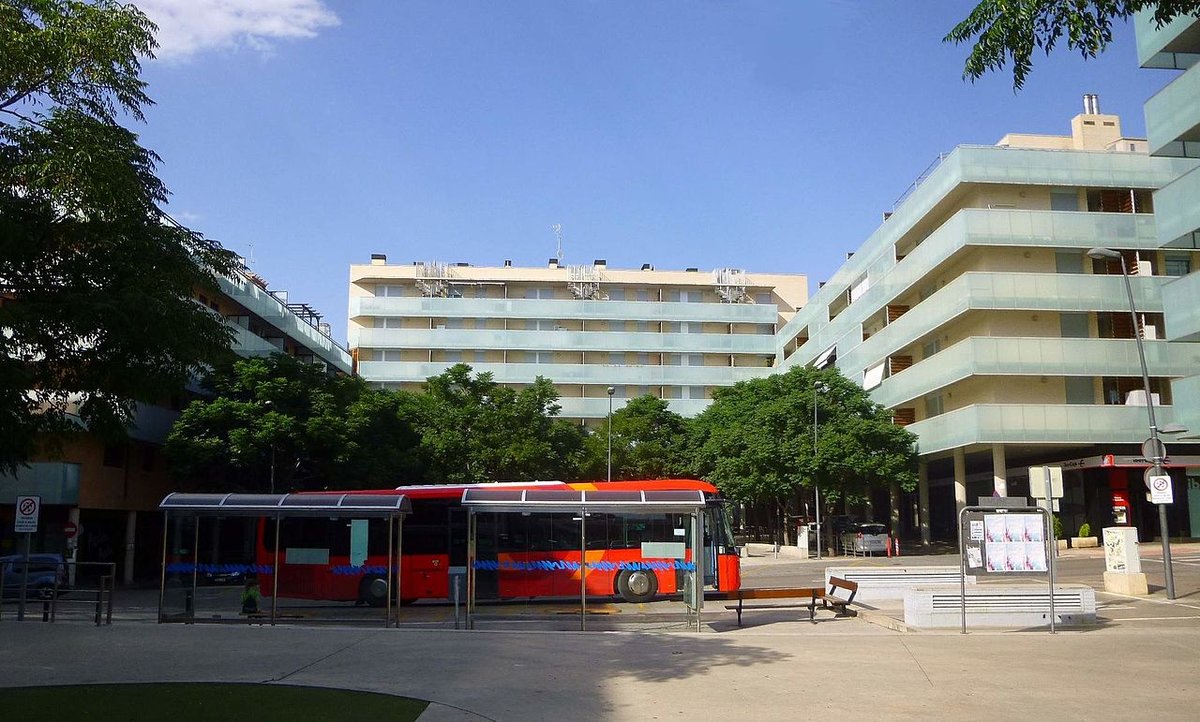
Fraga is not on the AVE high-speed network. The easiest route from the UK is to fly to Barcelona, pick up a hire car at Terminal 2 and head west on the AP-2 for 90 minutes. Tolls cost €19.65 each way; petrol is cheaper than back home but still budget for €40 round trip. Lleida is the nearest railhead – Iberia and Ryanair both run winter flights from London to Lleida-Alguaire on Fridays – but buses onward to Fraga only run twice daily, timed for locals rather than tourists.
Accommodation is limited and honest about it. The three-star Hotel Casanova on the bypass has doubles for €59; rooms are clean, Wi-Fi patchy, and the 1970s brown-tile bathroom will either depress or delight you. Inside the old centre, four-room guest house El Rincón de San Pedro opened in 2022 with prices from €45 and genuinely fast internet, but no lift and stairs polished enough to skate down. Breakfast is not offered; the bakery two doors along opens at 08:00 and will make you a sandwich to order for €2.50.
Cards are increasingly accepted, yet the Saturday market and most bars operate on cash only – the nearest ATM is inside the Cajamar branch on Calle Zaragoza and it runs out of notes by 11:00 on market day. Shops observe the classic siesta: 14:00–17:00, no exceptions. Plan lunch before or after; dinner service rarely starts before 21:00, which can leave hungry Brits wandering empty streets clutching crisps bought in a rush at 13:55.
Worth the Detour?
Fraga will never compete with Catalonia’s coastal coves or Aragon’s postcard Mudéjar towns. Parts look scruffy, English is scarce, and you will be woken by tractors at dawn. Yet that is the point: this is a place where agriculture still sets the tempo, where a peach can taste like a conversation, and where the border between Aragon and Catalonia dissolves in everyday speech. Spend 24 hours here and you’ll remember the smell of river mint more than any monument. Drive on after coffee and you’ll have missed the point entirely.